
Last updated November 23, 2026
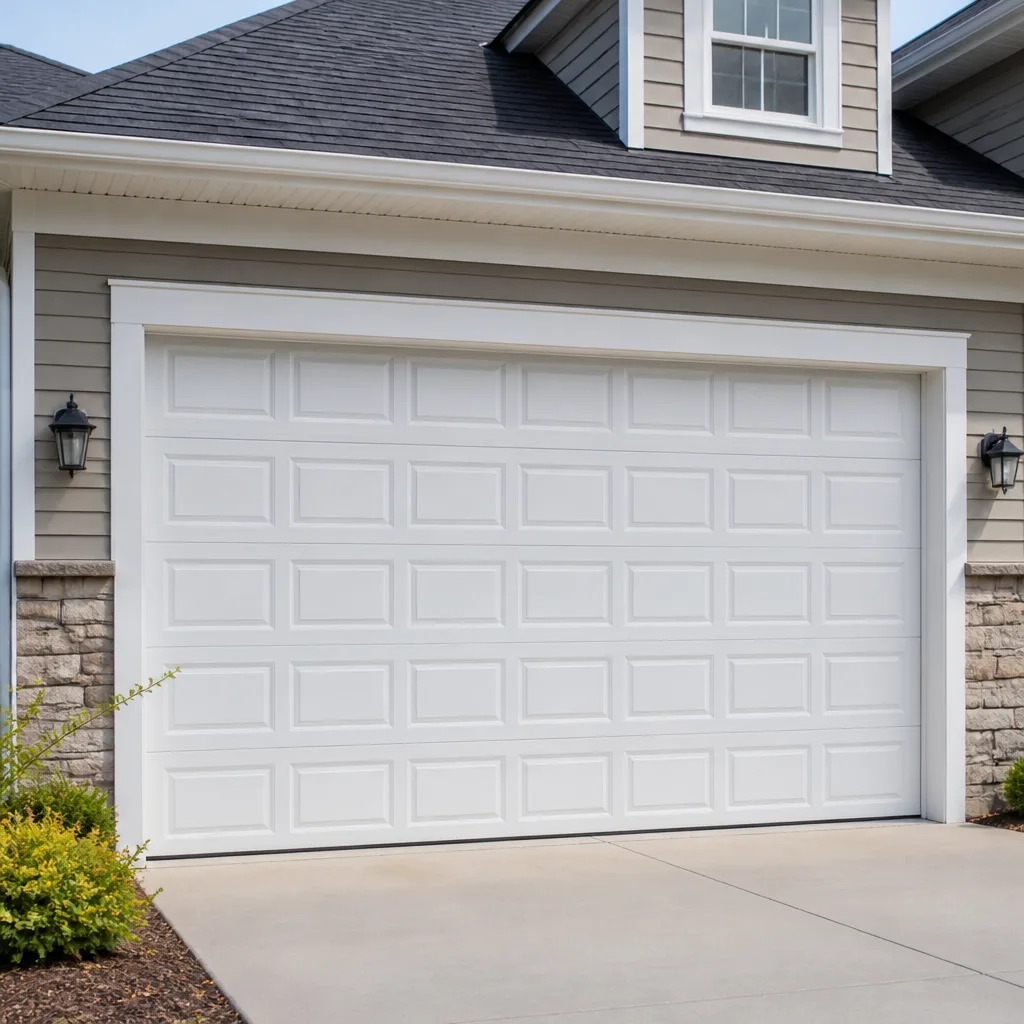 Raised-panel steel
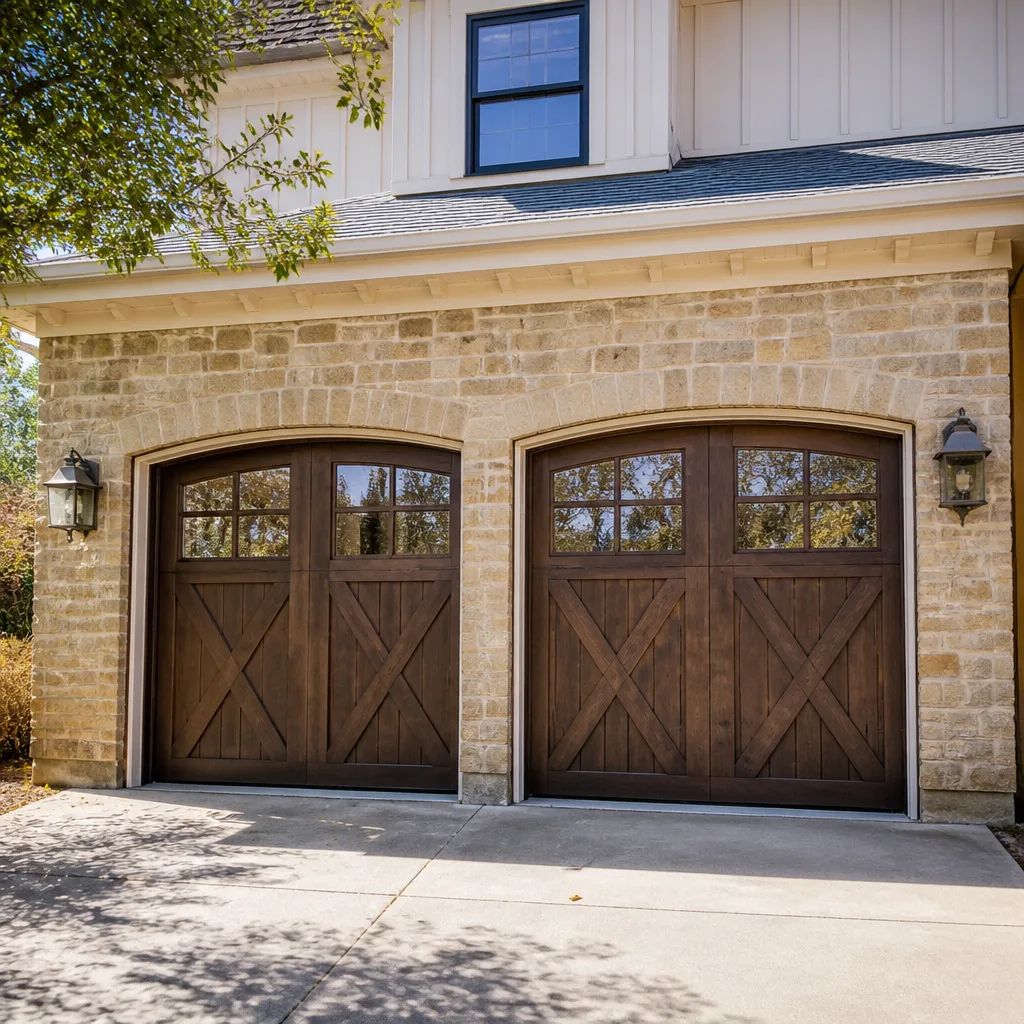 Carriage house
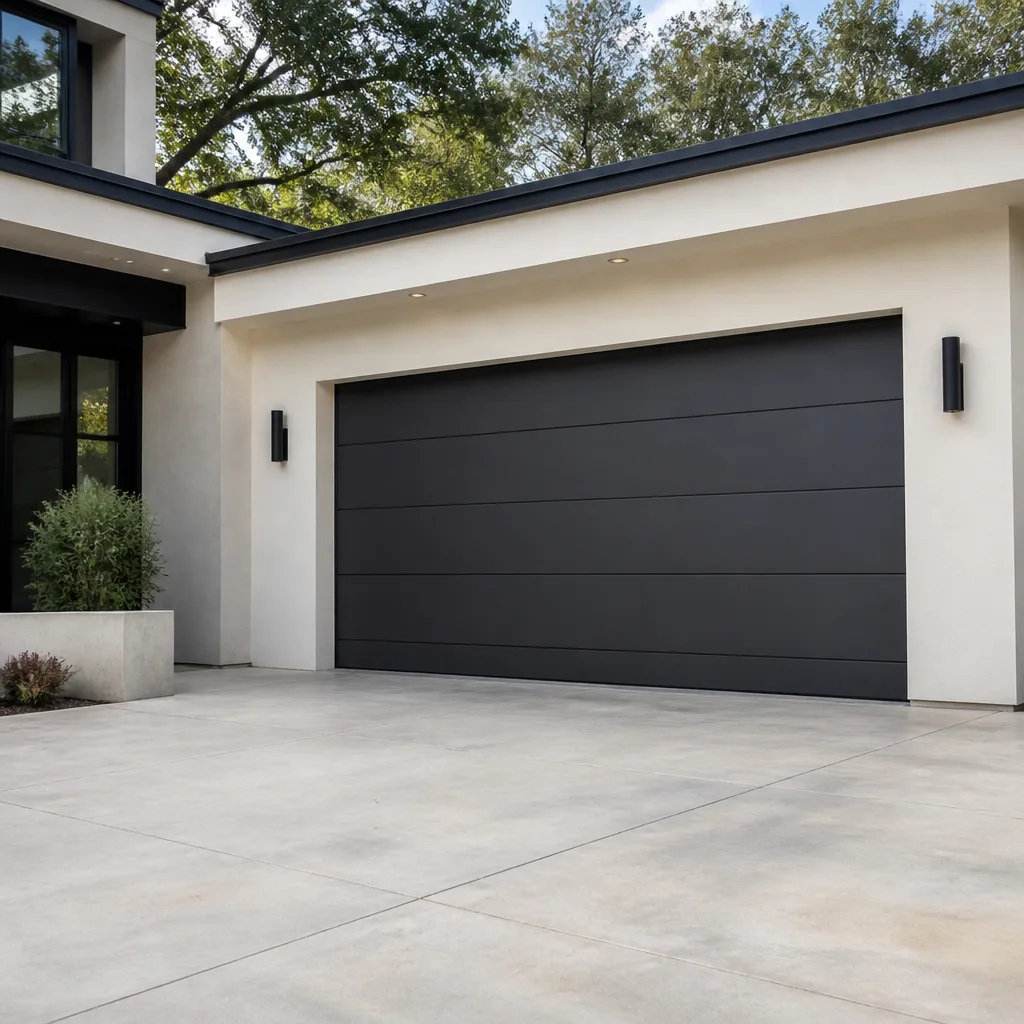 Modern flush
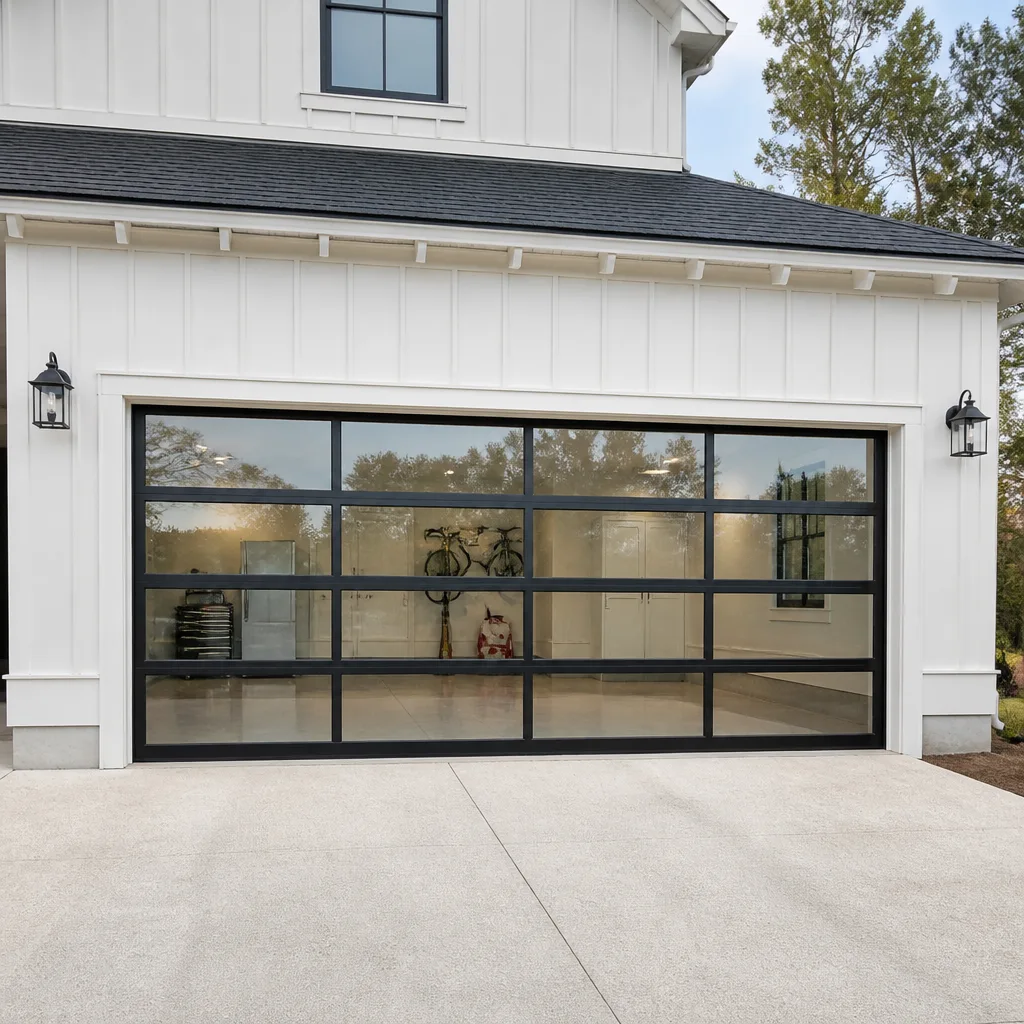 Full-view glass
 LiftMaster openers
 Chamberlain openers
Full 25-point door and opener safety check with every visit - springs, cables, rollers, tracks, and your LiftMaster or Chamberlain opener included
You get a price before we start. It does not change when the pro arrives.
Get your free estimateGarage Door Repair Maintenance Checklist for Silver Spring Homeowners
Lubricating your springs seems like basic maintenance until you learn that improper lubrication is one of the top reasons springs snap prematurely. It’s a genuine misconception: homeowners are told to “keep things oiled,” so they spray whatever’s in the garage onto the torsion spring coils, and a few seasons later the door is hanging crooked and the spring has cracked. Here’s what this checklist does differently: it draws a hard line between the tasks you can safely do yourself and the ones that belong to a trained technician. You’ll learn what to touch, what to leave alone, and when Silver Spring’s weather makes each task matter most.
Quick Answer
A garage door maintenance checklist for Silver Spring homeowners should cover lubrication, balance testing, seal inspection, and visual checks you can do yourself every few months, plus annual professional service on springs, cables, rollers, and opener force settings. The one rule that matters most: never lubricate the springs or adjust any high-tension hardware. Springs, cables, and torsion assemblies are under extreme tension and are not a DIY repair.
Styles & brands we work with
- Raised-panel steel
- Carriage house
- Modern flush
- Full-view glass
- LiftMaster openers
- Chamberlain openers
Table of Contents
- Owner Tasks vs. Technician Tasks: Where the Safety Line Falls
- Lubrication That Works in Silver Spring’s Temperature Swings
- Cable and Spring Visual Checks You Can Do Without Touching Anything
- How to Test Door Balance Safely
- Weather Seal Timing Around Silver Spring’s Wet Season
- The Silver Spring Seasonal Maintenance Calendar
- Keeping a Maintenance Log That Helps in an Emergency
- Opener Checks: Safety Reverse and Force Settings
Owner Tasks vs. Technician Tasks: Where the Safety Line Falls
The standard maintenance list you’ll find online mixes harmless chores with genuinely dangerous ones and treats them the same. That’s the source of most garage door injuries. A garage door is the largest moving object in your home, and some of its parts hold enough stored force to break a bone if something slips. So the first job is sorting the list into two columns.
Safe for homeowners
- Wiping dust and grit from the door surface and windows
- Testing the safety reverse by placing an object in the door’s path
- Visual inspection from the ground: springs, cables, hinges, roller brackets
- Lubricating hinges, rollers, and the opener’s drive chain or screw with the correct product
- Cleaning and inspecting the bottom weather seal
- Clearing debris from the door’s track channels (without prying the track)
- Recording observations in a maintenance log
Technician tasks only
- Replacing torsion or extension springs
- Adjusting or replacing lift cables
- Any adjustment to torsion hardware, drums, or winding bars
- Straightening bent or misaligned track
- Replacing worn rollers or a broken hinge on a loaded section
- Adjusting opener force limits and travel settings beyond the safety reverse test
- Re-aligning a door that has come off its tracks
In Silver Spring, older homes around Woodside Park and downtown often have heavy solid-wood or older steel doors with original hardware, which wear faster than modern insulated panels. If your door dates back decades, lean toward having a technician look at it more often than the checklist below suggests. They’ll tell you honestly what needs attention, since we’re not tied to one manufacturer and have no reason to sell you a door you don’t need.
Lubrication That Works in Silver Spring’s Temperature Swings
Silver Spring sees humid summers that push into the 90s and winter nights that dip below freezing, sometimes below 20°F. A lubricant that flows nicely at 95°F in August can stiffen and drag at 15°F in January, which puts extra load on your springs and opener. You want a product that stays stable at both ends. That usually means a lithium grease on the opener’s drive chain and a silicone-based or low-temperature garage door lubricant on moving joints.
What is safe to lubricate:
- Hinges, at the pivot points
- Steel rollers, at the stem
- Roller brackets and bearing plates
- The opener’s drive chain, with chain-specific lubricant
- The door’s track channels, lightly – enough to let the rollers roll, not so much that grit clings
What NOT to lubricate:
- Torsion springs and the torsion tube
- Lift cables
- Track surfaces where the rollers run if you live on a dusty or gravel-adjacent street – grease there collects grit and accelerates wear
That spring rule is the one that trips people up. A dry, wiped-down spring is fine. Spraying it doesn’t extend its life and can encourage rust-causing moisture to bind with dust. If a spring looks dry and flaky or seems to have a gap where there shouldn’t be one, do not spray it and do not touch it – call for garage door spring repair. Springs are under extreme tension and are a hands-off item for everyone except a trained technician.
Lubricate each point twice a year, and take a five-minute walk around the door afterward to look for drips or overspray.
Cable and Spring Visual Checks You Can Do Without Touching Anything
You can learn a lot about a garage door just by looking at it from the ground, with the door closed and the opener unplugged. The key is knowing the cues and never reaching up to test them by hand.
- Look at the cables. The steel lift cables run from the bottom corners up to the drums on the torsion shaft (or along the track on extension setups). Healthy cables are straight and taut. Frayed strands, kinks, or slack on one side mean the cable has stretched or jumped – a technician job.
- Look at the springs. On a torsion setup, the springs sit on the shaft above the door. A visible gap or a clean break in the coil means the spring has failed. On extension setups, the springs run along the horizontal track. Rust streaks, stretch marks, or uneven tension are warning signs.
- Look at the rollers. From the ground, check that each roller is seated in the track. A roller riding up on the edge of the track can pop it loose.
- Look at the hinges. Cracked hinge leaves or shiny, worn pivot points suggest the door is under unusual load.
- Look at the panels. A door that looks compressed or slightly sagging is usually telling you the springs have weakened.
Walking the door in Silver Spring’s older neighborhoods – Four Corners and Takoma Park-adjacent blocks with mature trees – you’ll often see cables that show fine surface rust. A little surface rust is not a failure. But if you see fraying near the drum, stop using the door and get it looked at. A frayed cable can snap without warning.
One more: if you hear a loud bang from the garage and the door won’t lift, don’t run out and start moving things. The spring has almost certainly let go, and the door is in an unbalanced state. Call for help and keep kids and cars clear.
How to Test Door Balance Safely
A balanced door should lift with modest effort and stay put when you let go halfway up. If it drops, slams, or needs a strong shove to open, the spring tension has drifted and you’re putting strain on the opener motor every time you use it. Here’s the safe test:
- Close the door fully and unplug the opener (or pull the manual release if the opener is still connected – then step clear).
- Stand to the side, never under the door, and lift the door to about waist height with both hands on the bottom edge.
- Let go. A properly balanced door holds its position or drifts down slowly.
- Lower the door slowly and re-engage the opener.
- If the door drops quickly, sags to one side, or won’t stay up at all, don’t keep operating it. A technician can realign and adjust tension.
Do this test once or twice a year and whenever the door starts sounding rougher than usual. In Silver Spring’s summer humidity, wood doors swell and can throw off the balance temporarily; if the test still fails after a week of dry weather, it’s probably not the weather. Our technicians have up to 8 years of experience reading exactly these symptoms, and balance problems are one of the most common calls we handle in garage door repair. The exact price is set by the written estimate before any work starts, so you know what you’re agreeing to.
Weather Seal Timing Around Silver Spring’s Wet Season
Your bottom weather seal is the rubber or vinyl strip that presses against the floor when the door closes. It keeps out rain, drafts, and pests – and in Silver Spring, it takes a beating. Late summer and early fall bring heavy rain and humid air, and winter’s freeze-thaw cycles crack and harden older rubber. Check the seal in late summer before the wet stretch, and again in winter when temperatures drop.
What to look for:
- Visible gaps between the seal and the floor when the door is closed
- Cracks, splits, or a seal that has hardened and lost its flexibility
- Daylight showing under the door on a bright day
- Water getting into the garage after rain, especially around the door’s sides
On a healthy seal, the door should compress the rubber slightly against the floor. If it just rests on the floor with no compression, the seal is too thin or worn. Seals are replaceable and relatively inexpensive; if it’s just the bottom strip that’s shot, the fix is straightforward. If the door’s frame or threshold is damaged too, that’s when the job gets bigger.
Side and top seals matter for drafts and insects too. Older Silver Spring homes sometimes skip these entirely – worth checking if you feel air moving around the door on a cold morning. If you’ve got a Raynor or Clopay door and the seal has hardened, the job is usually straightforward.
The Silver Spring Seasonal Maintenance Calendar
Timing tasks to the local calendar matters more than a generic “check annually” list. Here’s what to do and when:
Spring (March through May)
After winter’s cold snaps, run the balance test and look at the springs and cables. Lubricate hinges, rollers, and the opener chain. Check the opener’s battery backup if it has one. This is also the time to test the safety reverse.
Summer (June through August)
Do a full visual inspection. Summer humidity stresses wood and unpainted steel, and it’s when springs that had a rough winter tend to give out. Check the seal compression on hot days when hardware expands.
Late summer and early fall (August through October)
Inspect the bottom weather seal before the wet season and replace it if it’s cracked or flat. Clear the tracks of grit and leaves. Lubricate again before the temperature drops.
Winter (November through February)
This is when the door runs hardest. Cold makes rubber stiff and springs less forgiving. Re-check the seal for freeze damage and make sure the door isn’t dragging. If the opener’s force settings have been dialed up to compensate for a stiff door, that’s a signal the hardware needs service, not a stronger motor.
If your door fails in the middle of winter or during a downpour, we handle Silver Spring Garage Door Repair Pros emergency service for doors that won’t close or open. Call (833) 482-6713. We answer 24/7. Fast dispatch from 7am to 7pm, Sunday through Friday.
Keeping a Maintenance Log That Helps in an Emergency
When a door fails and the technician arrives, a good maintenance log saves time, which is exactly what you want in an emergency call. Most homeowners never keep one. A simple notebook or phone note does the job. Log these details:
- Dates of each lubrication and visual inspection, and what you did
- Any new noises, vibrations, or changes in how the door feels
- Whether the balance test passed and when
- Any repairs already done – spring replacements, opener adjustments, seal swaps – with the date and what was replaced
- The door’s make and model, if you know it, and the opener’s brand
- The approximate age of the springs, if a technician has told you
- Photos of anything that looks off
Why it matters: a technician triaging a broken door has to assume the springs are original otherwise. If you can tell them the spring on the left was replaced two years ago and the door has been running rough for a month, that changes the diagnosis. In Silver Spring’s climate, knowing whether a spring went in just before a wet winter or just after matters. If your opener is a LiftMaster or Chamberlain with smart features, some of the diagnostics get logged automatically – bring that up too.
Keep the log where you’ll find it. A sticky note taped inside the garage wall works better than a file you’ll never open.
Opener Checks: Safety Reverse and Force Settings
Every month or two, test your opener’s safety reverse. It’s the mechanism that stops the door and reverses it when it meets an obstruction. With the door open, place a sturdy object like a block of wood or a full box on the floor in the door’s path. Close the door. When it hits the object, the door should reverse and go back up. If it doesn’t, stop using the door and get it looked at. This test applies whether you run a Genie, a LiftMaster, or an older Craftsman unit.
Force settings are a different matter. The opener’s “up” and “down” force settings determine how much resistance the motor will push past before it gives up. Turning those dials up to force a stiff door through will wear out the opener and skip the safety features. If your door needs more force than it used to, that’s a symptom of a mechanical problem – worn springs, a stiff hinge, or rollers that need lubrication – not a signal to turn up the motor. That adjustment should go through a technician, and on older openers, the force calibration can drift. If yours does, that’s garage door opener repair territory.
Check for a battery backup if your opener has one – it’s often a small box near the motor, and the batteries need replacing periodically. It won’t matter until the power goes out, and then it really does.
Common Mistakes to Avoid
- Lubricating the springs. Improper lubrication is one of the top reasons springs fail early. Never spray anything on torsion or extension springs – they should stay dry and clean.
- Tightening loose hardware without assessing why it’s loose. A bolt working loose on a hinge may be a symptom of an imbalanced door, not a loose bolt. Fixing the symptom makes the real problem worse.
- Ignoring a single loud bang. If the door won’t lift and the garage smells of metal, the spring has probably failed. Don’t force the door or park under it.
- Turning up the opener’s force settings. This masks a mechanical problem and strains the motor. Fix the door, not the motor.
- Putting off the fall seal check. In Silver Spring, waiting until the first rainstorm finds the gaps is the expensive way.
- Assuming a noisy door is just normal. Grinding or screeching usually points to rollers, tracks, or bearings that need service – catching it early is cheaper than a full-track repair.
- Using the door while it’s off its tracks. Even a small misalignment can worsen to the point of the door coming down. Stop using it and call for help.
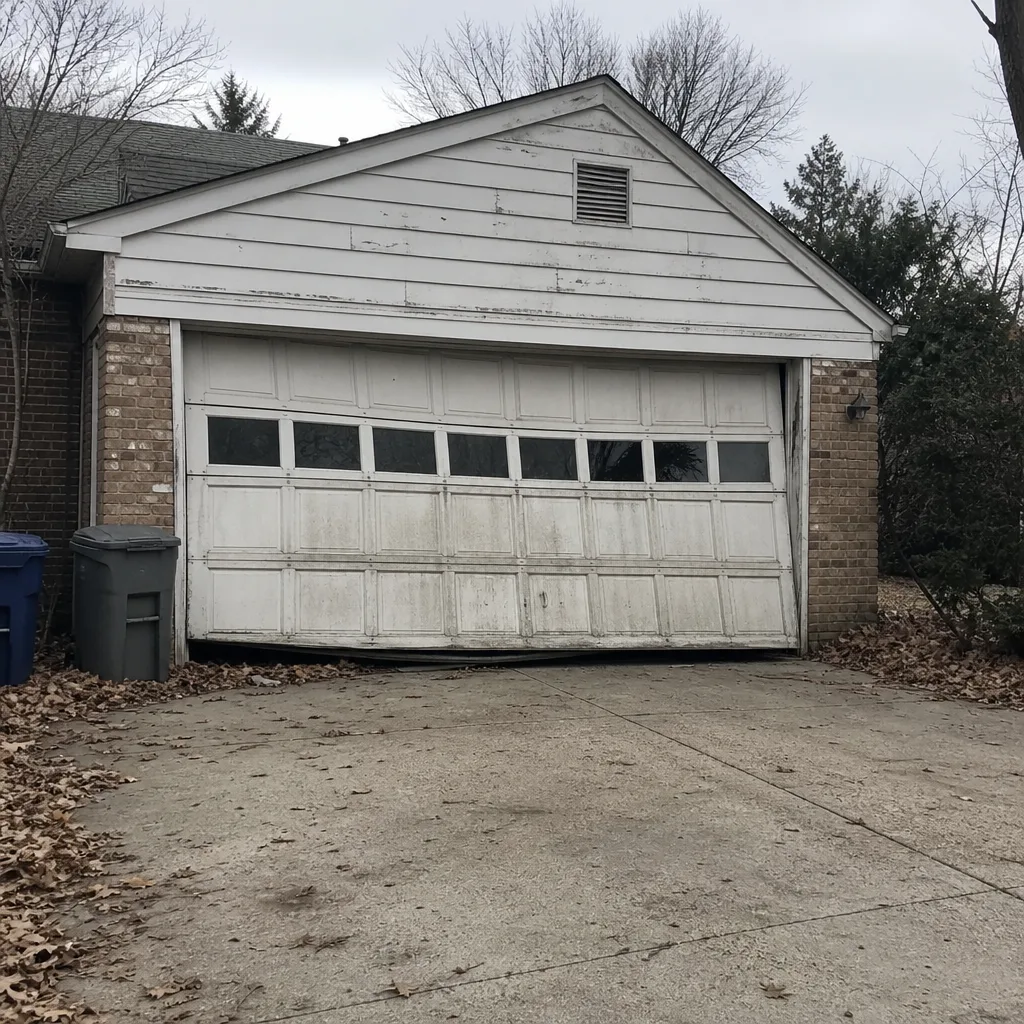
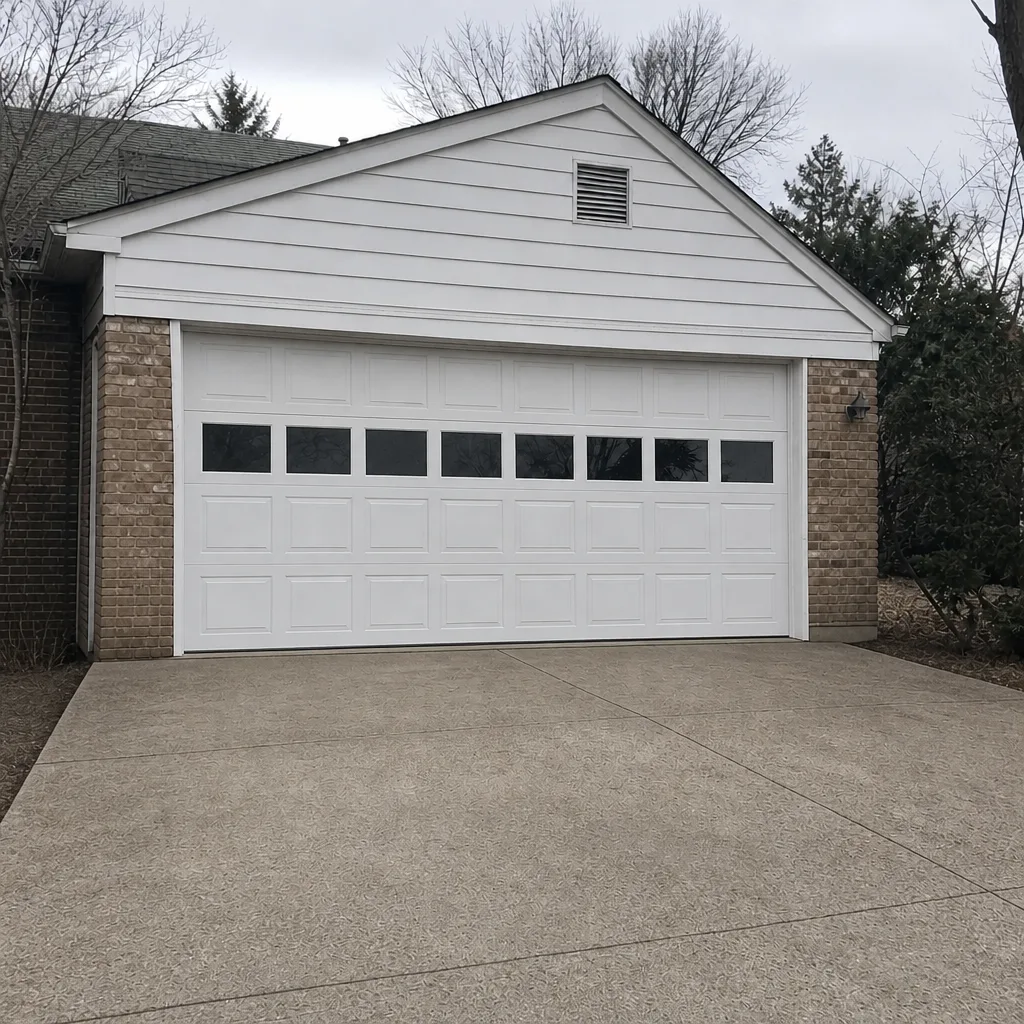
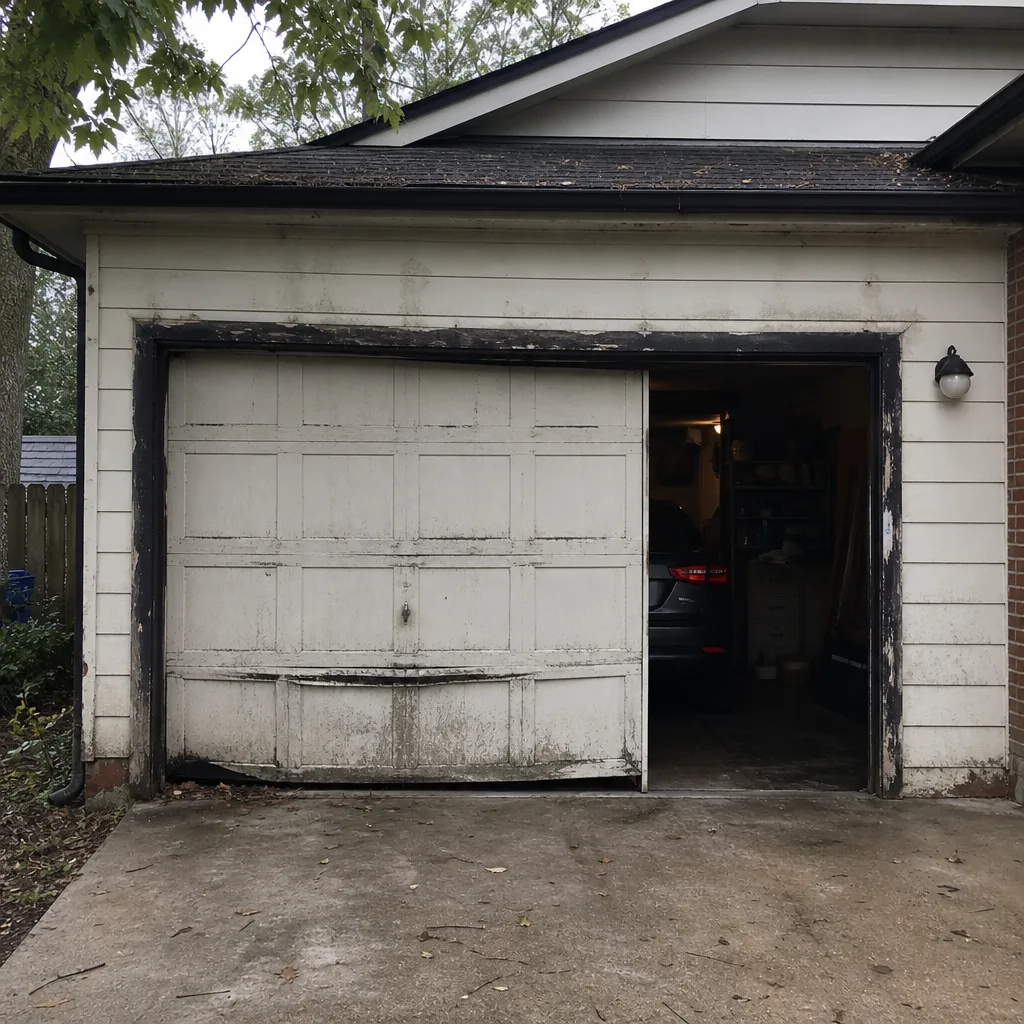
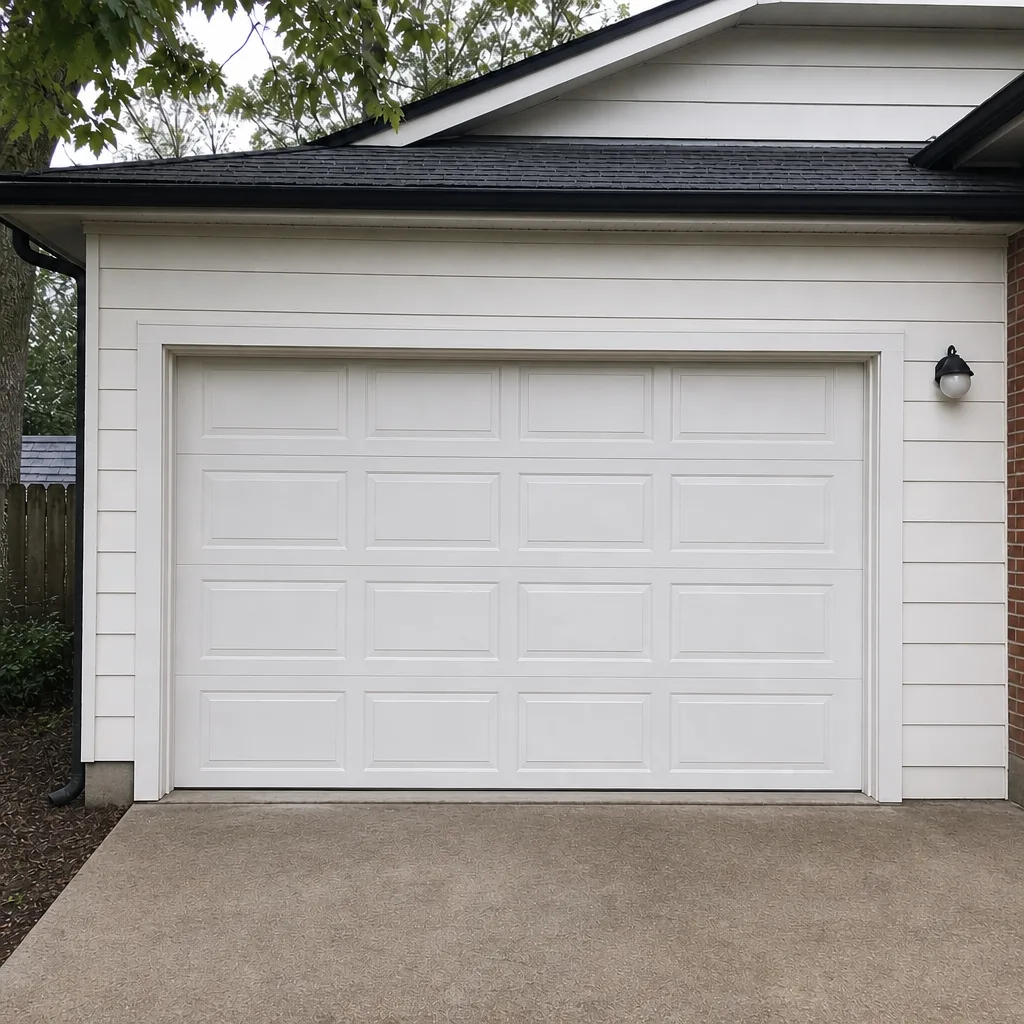
See the difference
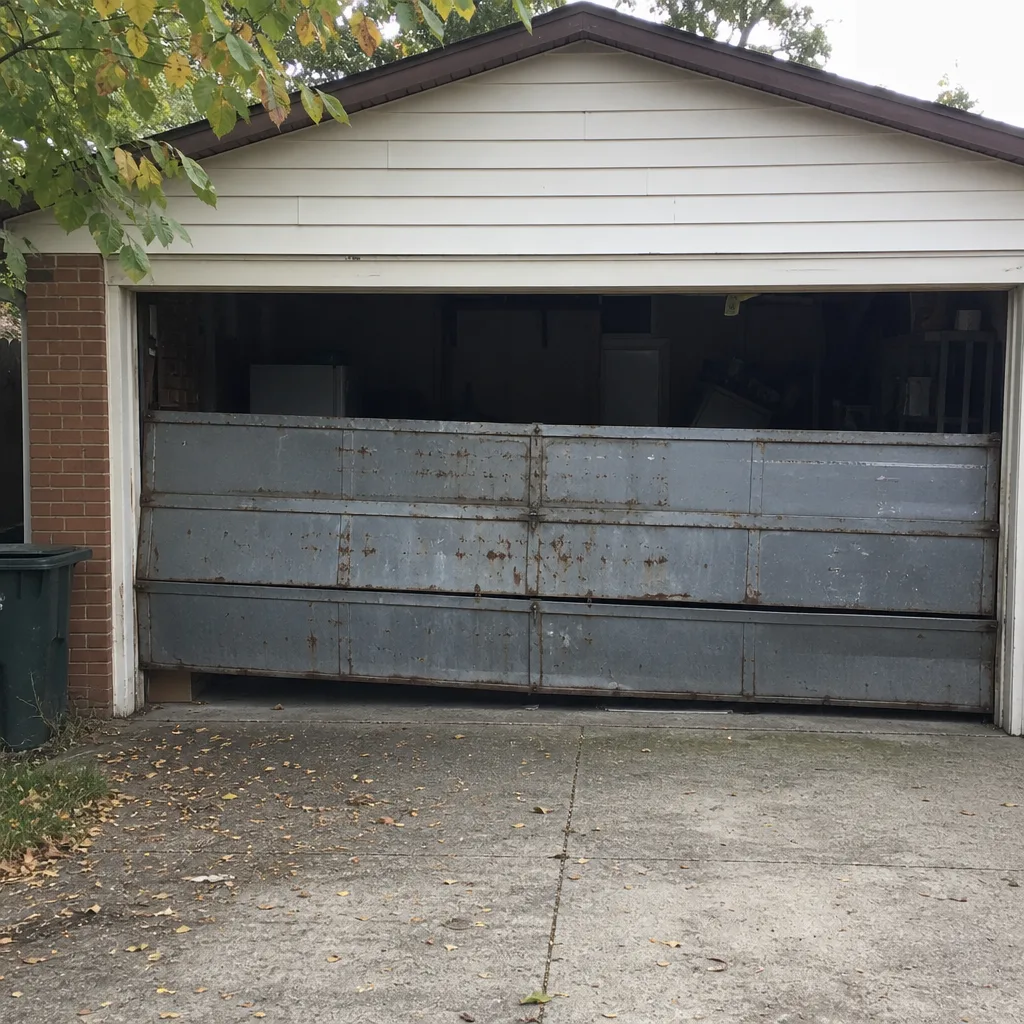 Before
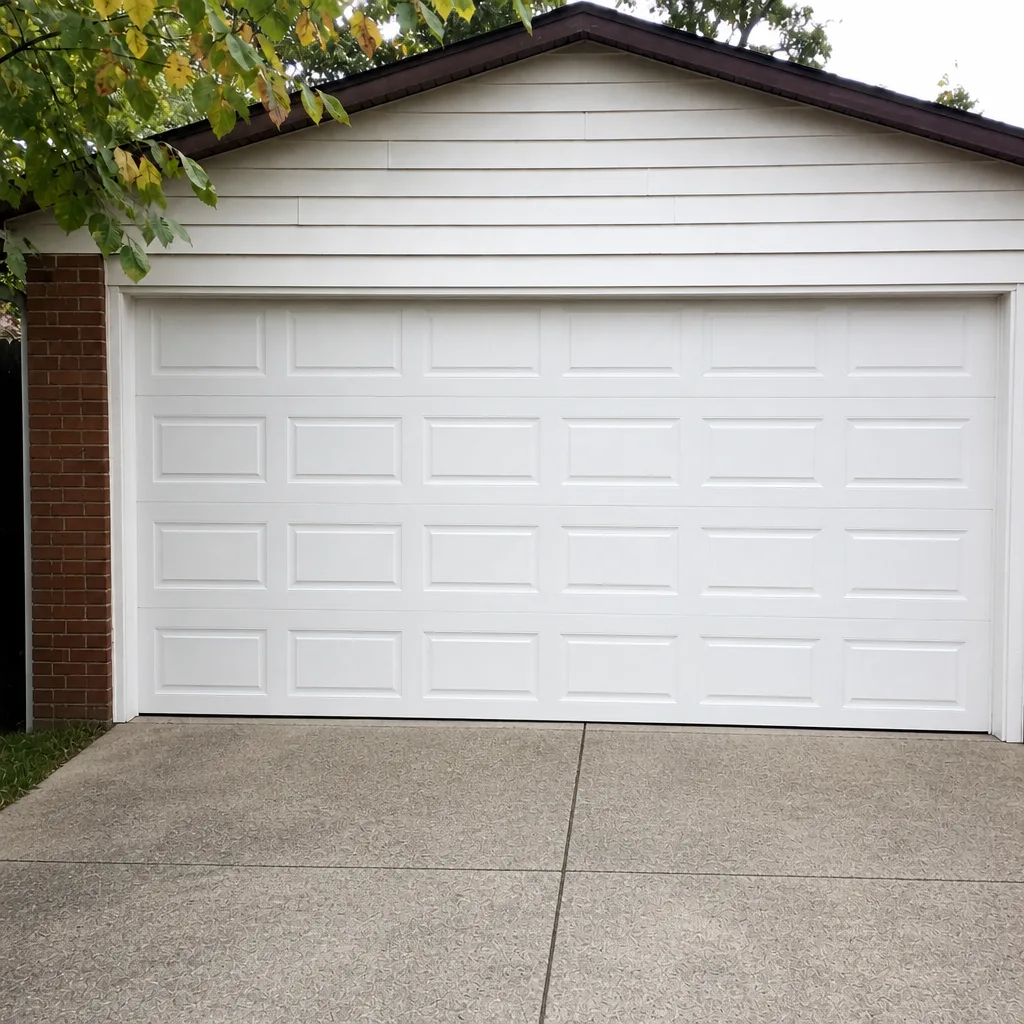 After
 Before
 After
 Before
 After
When to Call a Professional
Call for a professional inspection or repair when:
- The door won’t lift, won’t close all the way, or reverse-cycles without obstruction
- You see a gap or break in the spring, or the door slams down on the balance test
- A cable is frayed, slack, or has come off the drum
- The door has come off its tracks or is sagging to one side
- The opener runs but the door doesn’t move, or the motor hums and stops
- You hear a loud bang and the door won’t open
- You’ve replaced the seal and the door still doesn’t close evenly against the floor
Some of these are urgent – a door off its tracks, a broken spring, or a door that won’t close overnight creates a real safety and security gap. We handle emergency calls for exactly that. For everything else, Silver Spring Garage Door Repair Pros offers free estimates in Silver Spring. Call (833) 482-6713 to schedule. We answer 24/7. Fast dispatch from 7am to 7pm, Sunday through Friday.
Frequently Asked Questions
Twice a year is enough for most homes: once in spring and once in early fall. The rotating seasons here swing from humid summer heat to freezing winter nights, so you want a low-temperature lubricant that flows and protects across that whole range. Lubricate hinges, rollers, brackets, and the opener chain – never the springs or cables.
No. Torsion and extension springs are under extreme tension and can cause serious injury, so this is a technician-only job. What you can safely do is look at the spring from the ground for a visible gap, break, or rust, and call a professional if you see one. If your door won’t lift and you heard a bang, stop using it and call for help.
Cold weather thickens lubricants and stiffens the weather seal, making the door harder to lift. That added resistance can also signal worn springs or rollers that need service. If the door is noticeably slower or louder in winter, have it checked rather than turning up the opener’s force settings.
We connect you with local professionals who are licensed and insured as their state requires, and who work on the door and opener you already have. Call (833) 482-6713 for an exact quote – estimates are free.
We do same-day repair for doors that won’t close, won’t open, or have come off their tracks. Call (833) 482-6713. We answer 24/7. Fast dispatch from 7am to 7pm, Sunday through Friday, and a call outside those hours goes into the next opening. The written estimate sets the price before any work begins – there’s no change once we’re there.
No. You get a written estimate before any work starts, and that’s the price you pay. If you have an urgent spring or cable failure, call (833) 482-6713 for a free estimate. Our technicians have up to 8 years of experience with the major brands, so they know what they’re looking at.
How much does garage door repair cost in Silver Spring?
Garage door repair in Silver Spring typically runs from about $95 for a simple latch or roller fix to $1,200 for a larger track or panel replacement, with most jobs landing in the middle of that range. Here’s how the common items usually break down:
- Roller replacement: $95-$150 for a standard set
- Hinge replacement: $100-$175
- Weather seal replacement: $125-$250
- Spring replacement (one spring): $180-$340; a matched pair is usually replaced together and costs about twice that
- Cable replacement: $150-$300
- Track repair: $125-$350
- Opener repair: $150-$350
These are estimates, and the written price you get on site is the final one. For spring work specifically, a technician will assess how long the springs have been in service before quoting. If a single spring failed, the partner spring is probably the same age and tends to go soon after, which is why they’re often replaced as a pair.
The Bottom Line
The key to long garage door life in Silver Spring is knowing your limits. Do the safe tasks – lubricating the right parts with the right product, testing the safety reverse, inspecting from the ground, and checking the seal before the wet season. Leave the springs, cables, track adjustment, and opener force settings to a technician. Keep a simple log, so if something fails you can hand a pro a complete picture. When a door won’t close, won’t open, or comes off its tracks, that’s an emergency call, and it’s worth making sooner rather than later. Call (833) 482-6713 for a free estimate. We answer 24/7. Fast dispatch from 7am to 7pm, Sunday through Friday.
Written by the team at Silver Spring Garage Door Repair Pros.