
Last updated November 23, 2026
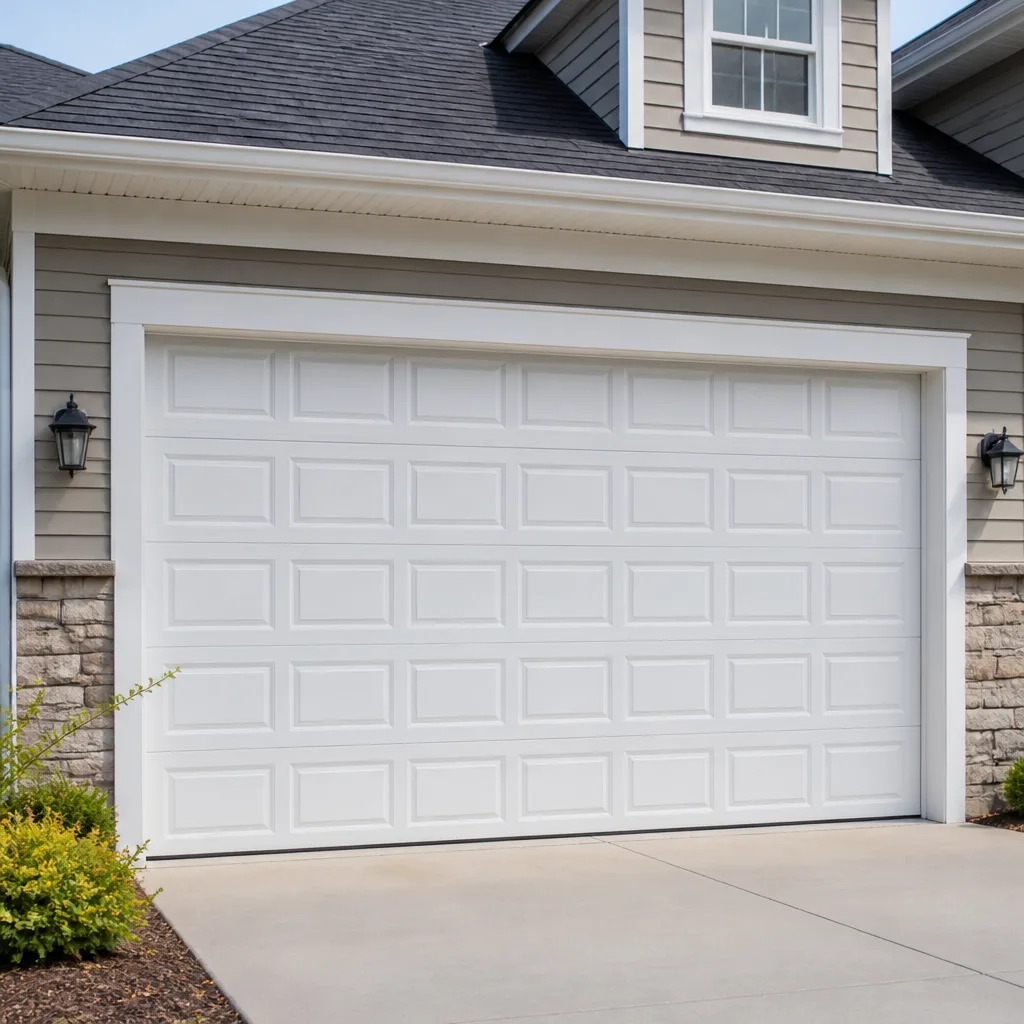 Raised-panel steel
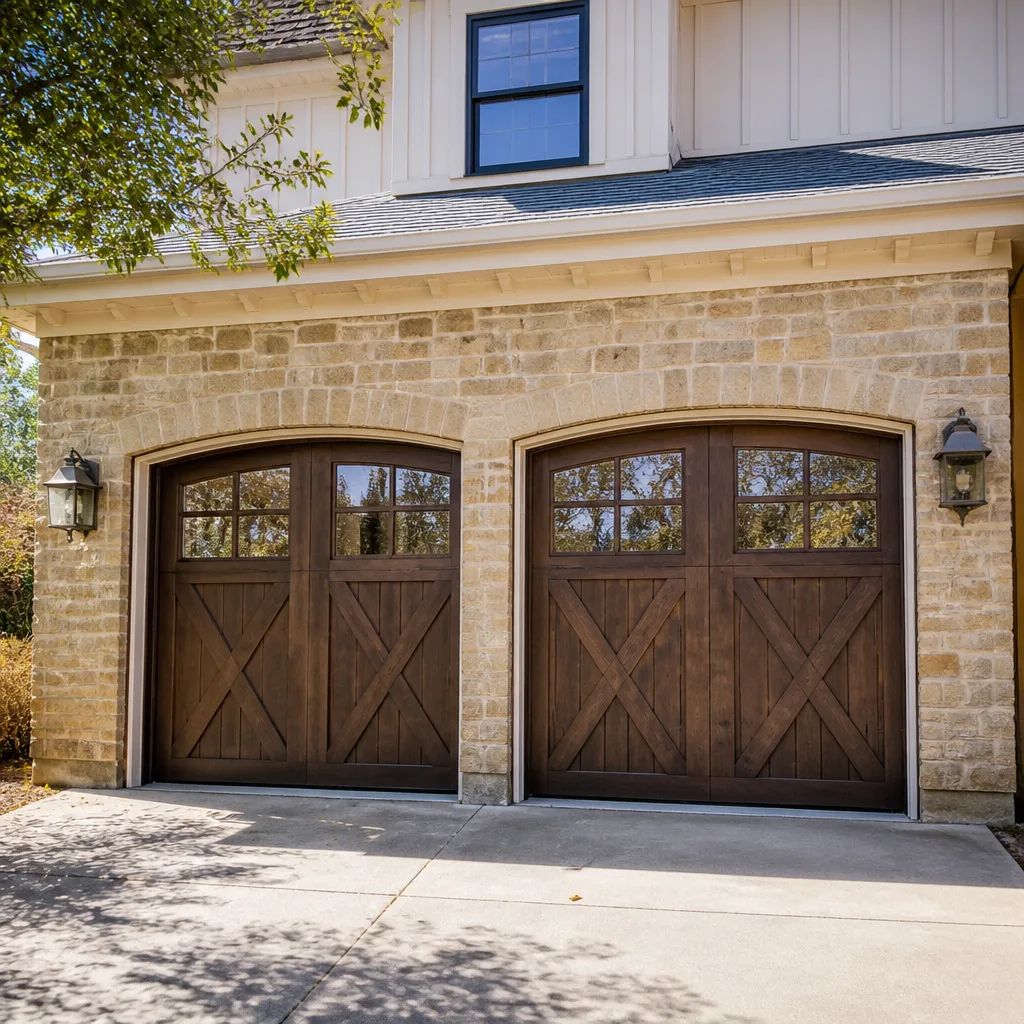 Carriage house
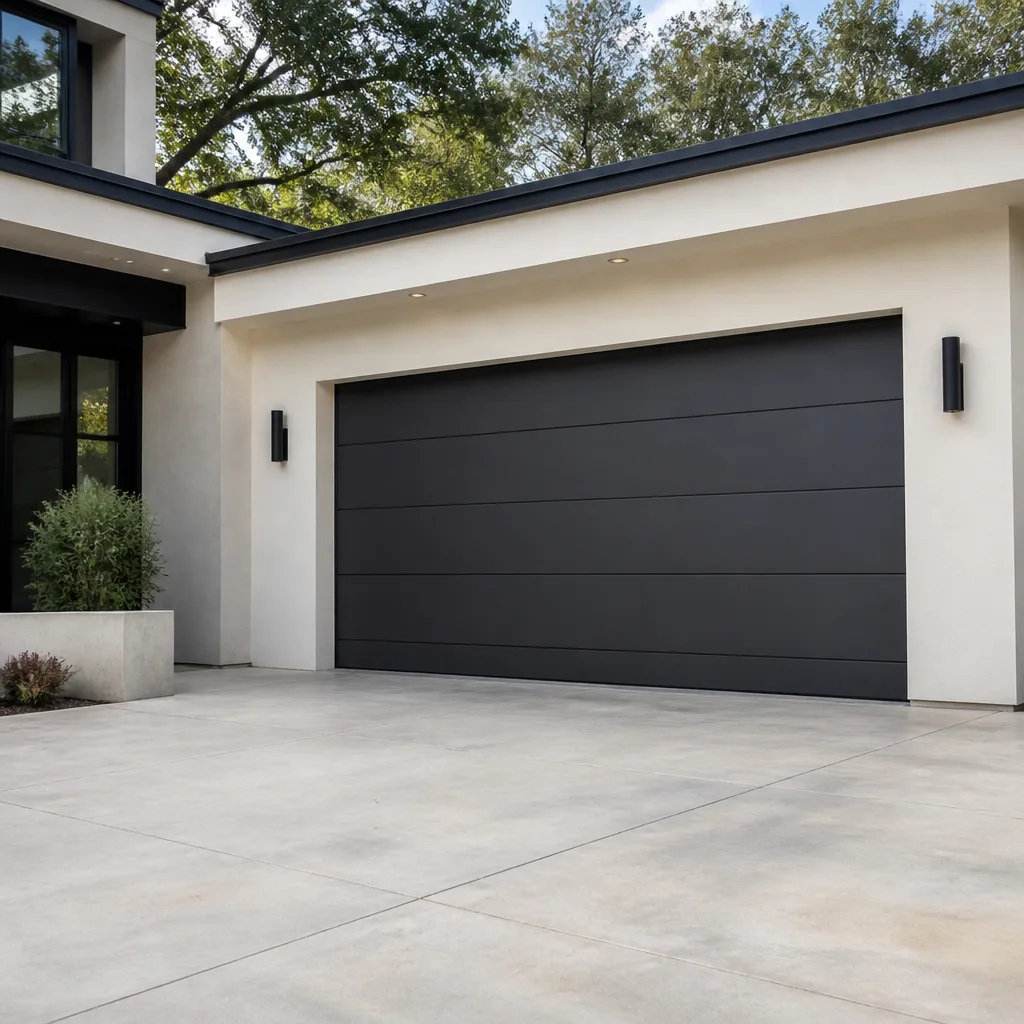 Modern flush
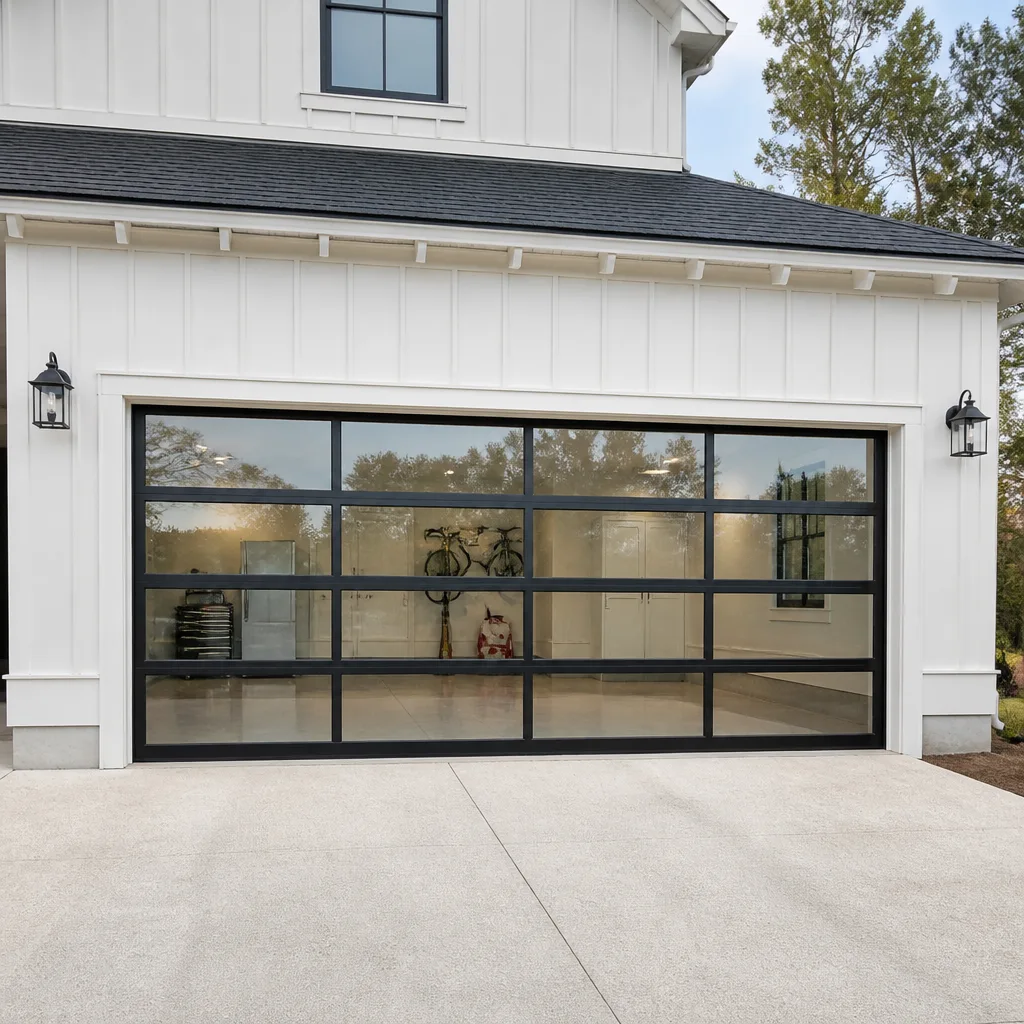 Full-view glass
 LiftMaster openers
 Chamberlain openers
Full 25-point door and opener safety check with every visit - springs, cables, rollers, tracks, and your LiftMaster or Chamberlain opener included
You get a price before we start. It does not change when the pro arrives.
Get your free estimateGarage Door Permits, Codes & Inspections in Silver Spring, MD: What You Need to Know
Most garage door replacements in Silver Spring don’t need a county building permit. That single fact leads a lot of homeowners to assume no part of the job is regulated at all. The gap matters: change the size of the opening, cut a new one where none existed, or run new electrical for a hardwired opener, and you’ve crossed into permit territory. Most contractors won’t slow down long enough to explain where that line sits. This guide does. You’ll learn what triggers a permit in Montgomery County, how unpermitted work surfaces at resale, what the code requires of new doors in Maryland, what an inspection actually checks, and how HOA approval runs on its own track.
Quick Answer
In Silver Spring, a like-for-like garage door replacement usually needs no building permit, but a structural change (altering the opening size, adding a door where none existed, or modifying framing and headers) requires one from Montgomery County, and new electrical work for a hardwired opener requires a separate electrical permit. Permits are pulled by the licensed contractor doing the work, not by the homeowner, and any job involving a service change or new circuit should be checked with the county before work begins.
Styles & brands we work with
- Raised-panel steel
- Carriage house
- Modern flush
- Full-view glass
- LiftMaster openers
- Chamberlain openers
Table of Contents
- What Triggers a Permit in Montgomery County?
- Electrical Permits for Openers and Garage Circuits
- How Unpermitted Work Shows Up at Resale
- Wind Load and Energy Code Requirements for New Doors in Maryland
- What a Montgomery County Inspection Actually Checks
- HOA Approval in Silver Spring’s Planned Communities
- How a Permitted Garage Door Project Usually Runs
- Frequently Asked Questions
What Triggers a Permit in Montgomery County?
Permit requirements in Silver Spring come down to whether the work changes the structure or the electrical system, or simply replaces what’s already there.
A garage door is a non-structural component in most residential construction. Swapping a door of the same size into the same opening, with no changes to the framing, header, tracks or wiring, typically doesn’t require a building permit. That’s the majority of replacements in Silver Spring’s older neighborhoods, where homeowners are replacing a worn door on the same opening the house was built with.
The picture changes when the work stops being a straight swap. A building permit is generally triggered by:
- Changing the width or height of the garage door opening, which means altering the header and framing above and beside it.
- Adding a garage door to a wall where no door or opening existed, including converting a solid wall to a door bay.
- Modifying load-bearing framing to accommodate a wider or taller door, including any header replacement.
- Converting a carport structure to an enclosed garage with a door and new framing.
- Enlarging the footprint of the garage or adding a new garage structure.
We’ve watched more than one Silver Spring homeowner assume that because the door itself is “just a door,” none of the sizing decisions are structural. That’s the wrong way around. The door is not the structural question, the opening is. If the new door changes the size of the opening, you’re in permit territory regardless of how straightforward the install looks. The county’s building department is the authority on any specific case, and a short call to confirm is worth more than any rule of thumb.
If your project is a straight replacement of the same size door, the sequence runs through the showroom and scheduling rather than the permit office. For that work, garage door repair or a like-for-like replacement is the right starting point.
Electrical Permits for Openers and Garage Circuits
Electrical work is the second half of the permit question in Silver Spring, and it’s the half homeowners miss most often. There are three distinct situations, and they carry different requirements:
- Replacing an opener on an existing circuit. Swapping a worn or failed opener for a new one that connects to the same outlet or wiring is typically a plug-and-play replacement with no electrical permit.
- Installing a hardwired opener or adding an outlet. If there’s no existing outlet and a new outlet or circuit needs to be run to the opener location, that’s new electrical work and generally needs an electrical permit pulled by a licensed electrician or contractor.
- Upgrading the panel or service. If the opener, a garage heater, or any other garage load is pushing the panel over its capacity, adding a circuit or upgrading service is an electrical permit matter in its own right.
A safety caveat matters here because this is one of the genuinely risky parts of any garage upgrade. Opener wiring runs to line voltage, and if the panel or the existing circuit is undersized or improperly grounded, installing a new hardwired opener on that circuit is a fire hazard, not a convenience upgrade. We won’t recommend a homeowner pull a circuit or open a panel themselves, and we don’t do it either. When a job needs new wiring, it needs a licensed electrician, and permits are usually part of that conversation.
Most openers on the market (LiftMaster, Chamberlain, Genie, and similar systems) are wired through a standard outlet in the ceiling of the garage, not hardwired into the wall. If the old opener was plugged in, the new one usually plugs in too, and no electrical permit enters the conversation. If the opener was hardwired into a junction box, plan for the electrician first. If you’re simply replacing a failed opener that’s already on a working circuit, garage door opener repair is typically all you need, and no permit applies.
How Unpermitted Work Shows Up at Resale
Unpermitted garage door work doesn’t usually stop a sale, but it can slow one down and it can cost money to sort out before the closing table.
When a seller lists a Silver Spring home, a title search and the county’s permit records come up during the buyer’s due diligence. If the garage door opening was enlarged, or a new opening was cut, and no permit was pulled, the discrepancy between the physical door and the county’s record is visible. A buyer’s inspector is also checking whether the door opener operates correctly, whether the door is balanced, and whether any structural changes around the opening are visible. Any gap between what’s there and what’s documented becomes a negotiation point, or a fix-it item before closing.
Remediation usually runs in one of a few directions:
- Pulling a permit after the fact, which means having the work inspected by the county and, if it doesn’t pass, correcting it first.
- Restoring the opening to its original size and configuration if the change can’t be permitted.
- Providing documentation from the original contractor if the work was permitted but never closed out in the county’s system.
The common thread is that none of these are free. Remediation means a second round of work on something the homeowner already paid for once. In Silver Spring, where homes in and around Woodmoor, Kemp Mill and Takoma Park regularly change hands with significant renovation history, the permit record is often the deciding factor in how fast a garage change gets questioned. It’s much cheaper to confirm the permit requirement before the install than to remediate after a sale contract has been signed. If you’re already working with a door that’s out of adjustment, a spring repair and door balance correction can be handled as a service call; if the opening itself has been modified, the permit record is a separate track. For spring or balance issues that are independent of any structural question, garage door spring repair handles the mechanical side.
Wind Load and Energy Code Requirements for New Doors in Maryland
New garage doors in Silver Spring have to meet Maryland’s building code, which has tracked the International Residential Code in recent cycles. Two requirements come up on nearly every new-door project.
Wind load
Residential garage doors are rated for wind load, which is expressed as design pressure in pounds per square foot. The code assigns a design wind speed to each region, and a garage door manufactures to meet the wind pressure for that zone. In Silver Spring, installers are checking the door you’re buying against the design pressure for the site, not just the opening dimensions. Doors that meet the requirement carry a label or manufacturer documentation. If you’re replacing a door that’s older than a couple of decades, the old door may not have had any wind rating at all, and the new one will be engineered to a current spec.
Energy code
Maryland’s energy code applies to the thermal envelope of the home. An attached garage shares at least one wall with conditioned living space, and the door between the garage and the house has to meet the code’s air-sealing and insulation requirements. The garage door itself (the large overhead door) is generally not part of the conditioned envelope, so an unheated attached garage door isn’t usually required to meet a specific R-value. But if the garage is conditioned, or if the garage door separates the living area from the outside, an insulated door with a documented R-value is the correct choice. Homeowners often skip the R-value question when selecting a door; it’s worth asking the manufacturer for the number, not assuming “insulated” is insulated enough.
On a new door install, we walk through the wind-load documentation and confirm the insulation spec with the written quote. The code requirement is the code requirement; there’s no upselling into a better door than the site actually needs.
What a Montgomery County Inspection Actually Checks
When a garage door project does require a county inspection, here’s the sequence in plain terms, and what the inspector is looking at:
- The permit is posted and the approved plans are on site. If the permit packet isn’t there or the plans don’t match the work, the inspection fails on process.
- The opening dimensions match the approved plans. Any change in width, height, header depth or framing has to be reflected on the drawings.
- Framing and header work are visible and correctly sized. The structural pieces around the new opening get checked before any drywall or finish closes them in.
- The door is installed and balanced. The door should move freely on its tracks, close flush, and reverse under the opener’s safety reverse test.
- Springs, cables and hardware are installed and in good condition. Springs under tension are checked for condition and attachment, not tested with a wrench.
- Electrical connections are complete and covered by their own permit. If new wiring was run for the opener, the electrical inspection happens on its own schedule and paperwork.
The single most common failure point in Silver Spring is a mismatch between the drawings on file and the door as installed. A door that shifts two inches in width, or a header that was trimmed during the install without updating the drawings, will fail on structural documentation even if the door itself is perfectly functional. Before the inspector arrives, confirm the door is balanced, the opener’s safety reverse test works, the permit and drawings are on site, and any electrical work has its own sign-off. That’s the checklist.
Springs are under extreme tension. A door that’s partway through an install and has an unresolved spring problem is not a place for a homeowner with a wrench. The inspection is not the moment to adjust a torsion spring. If a spring has failed on an older door, the mechanical repair is a professional job that has nothing to do with permitting, and it’s worth handling separately before the inspection window opens.
HOA Approval in Silver Spring’s Planned Communities
Many Silver Spring households have two approval processes running in parallel: the county permit, and the HOA architectural review. They are separate tracks, they have different timelines, and the county has nothing to do with whether the HOA approves a door.
HOA architectural review generally looks at the door style, color, panel configuration and material, whether the new door matches the original façade of the home, and whether a replacement door in a specific community needs to match the original model or a specific palette. Communities with architectural guidelines, particularly in the older planned subdivisions and newer townhome clusters, tend to be strict about the color and style because a mismatched door reads as a mismatch across an entire row of houses.
The working sequence in most cases looks like this:
- Confirm whether your community has an architectural review committee or a management company with design guidelines.
- Submit the door spec, including manufacturer, model, color and a photo of the existing door.
- Get written approval before ordering the door.
- Pull the county permit, if the project triggers one, in parallel with the HOA approval.
- Schedule the install after both approvals are in hand.
Approval timing varies enough between communities that we don’t quote a timeline. What we do quote is the door spec so the homeowner can submit it accurately. A mismatch between the door ordered and the HOA’s approved spec is one of the more expensive kinds of mistake, because the door is manufactured to order and can’t simply be restyled.
How a Permitted Garage Door Project Usually Runs
Here’s the general order of operations when a Silver Spring project needs a county permit. The specifics shift with the scope, but the sequence is fairly consistent.
- Site check and door spec. Confirm opening size, door style, wind-load spec, insulation requirement, and whether the job triggers a structural or electrical permit.
- HOA submission, if applicable. Submit door spec and photo to the community’s architectural review, if there is one.
- Permit application. The licensed contractor applies for the building permit and, if new wiring is involved, the electrical permit is handled by the electrician.
- Permit approval and door order. Once the permit is issued, the door is ordered. Custom doors take longer than stock doors.
- Framing and rough-in inspection. If the project involves structural framing changes, this inspection happens before anything closes up the framing.
- Install. Door, tracks, springs, accessories and opener installed.
- Final inspection. The door and framing are checked against the approved plans and the electrical work is signed off separately.
- Close-out the permit. Confirm the county has marked the permit final in its records, which is the piece that shows up in a title search later.
Two notes on timing. First, the door order runs longer than the install in almost every case, especially with branded systems like Amarr, Wayne Dalton, Craftsman or Raynor doors built to a specific spec. Second, the day the county issues a “final” on the permit is the point at which the paperwork matters, not the day the door goes up. If your sale is on a timeline, close out the permit early. This is a scheduling job, not a repair job. We quote a free measure and a written price so the homeowner can plan the order against the permit and HOA approvals.
See the difference
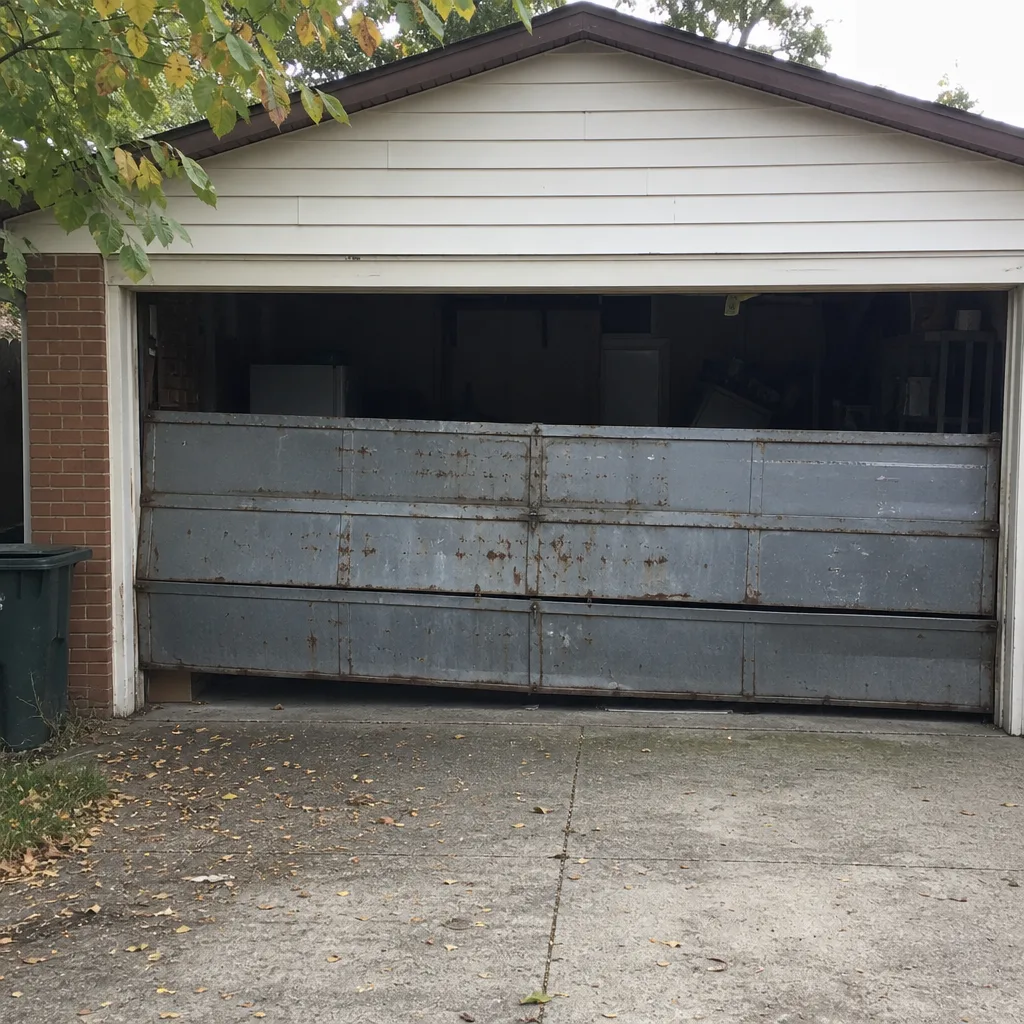 Before
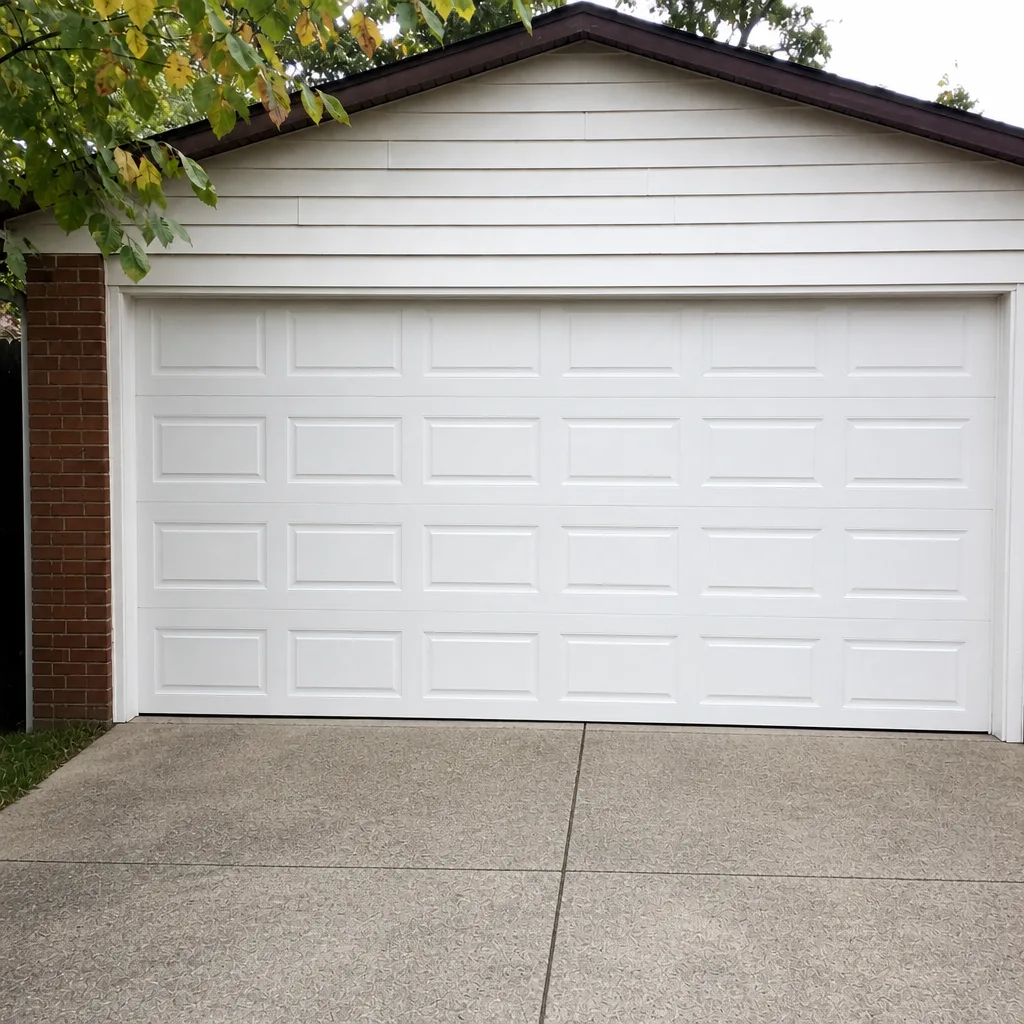 After
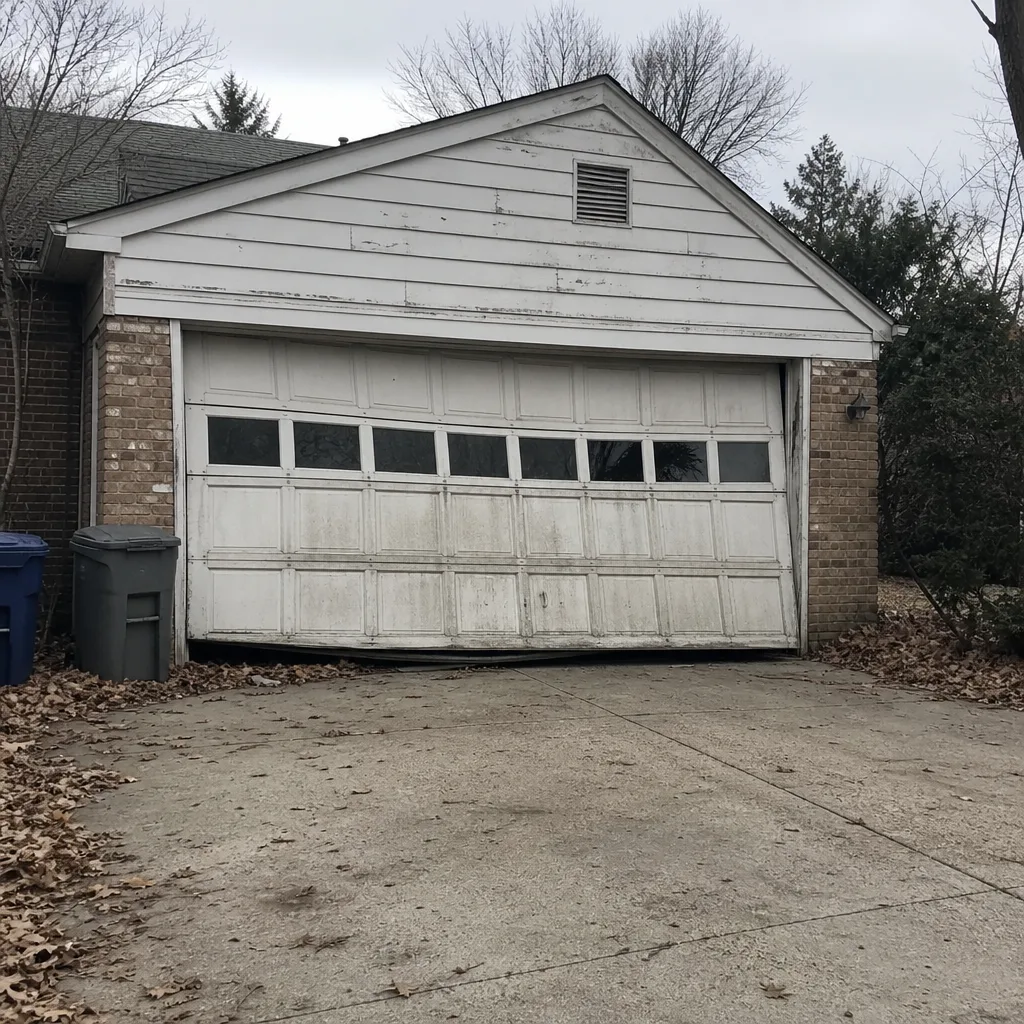 Before
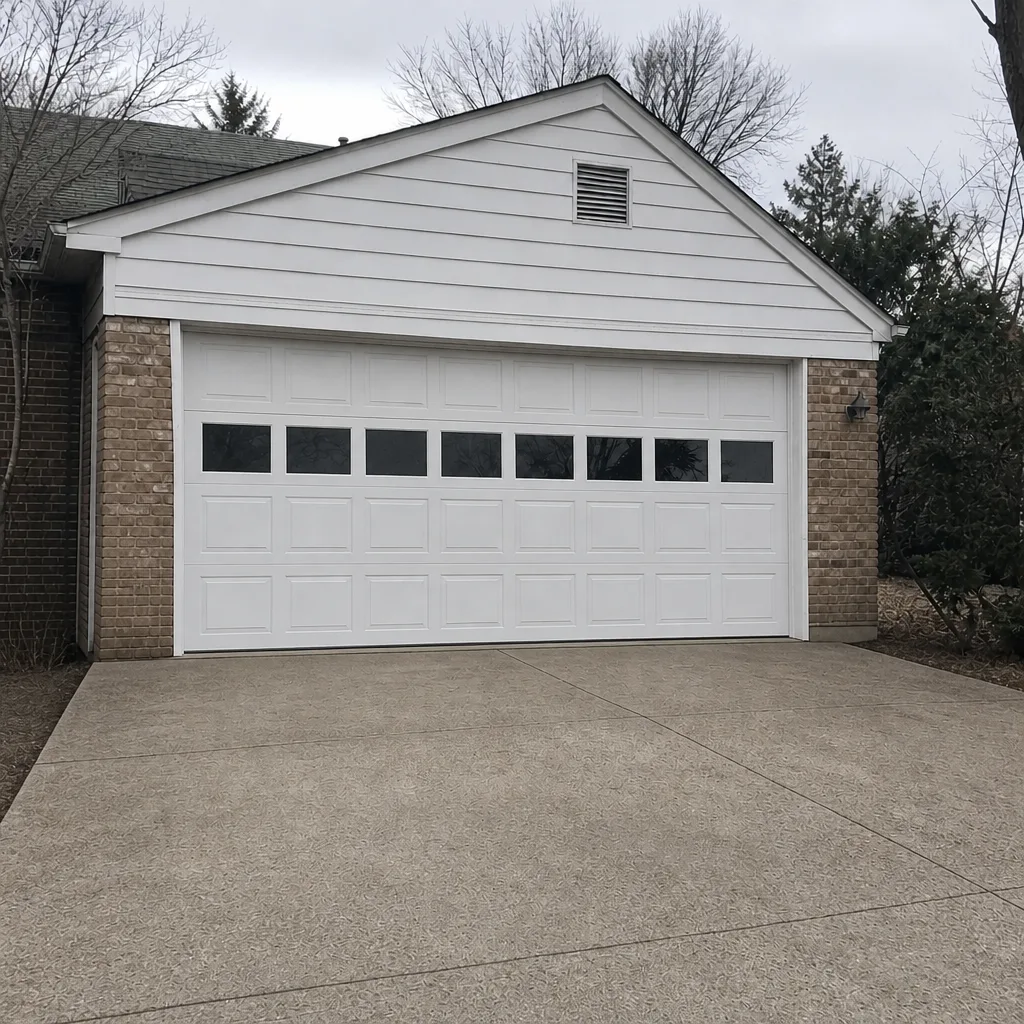 After
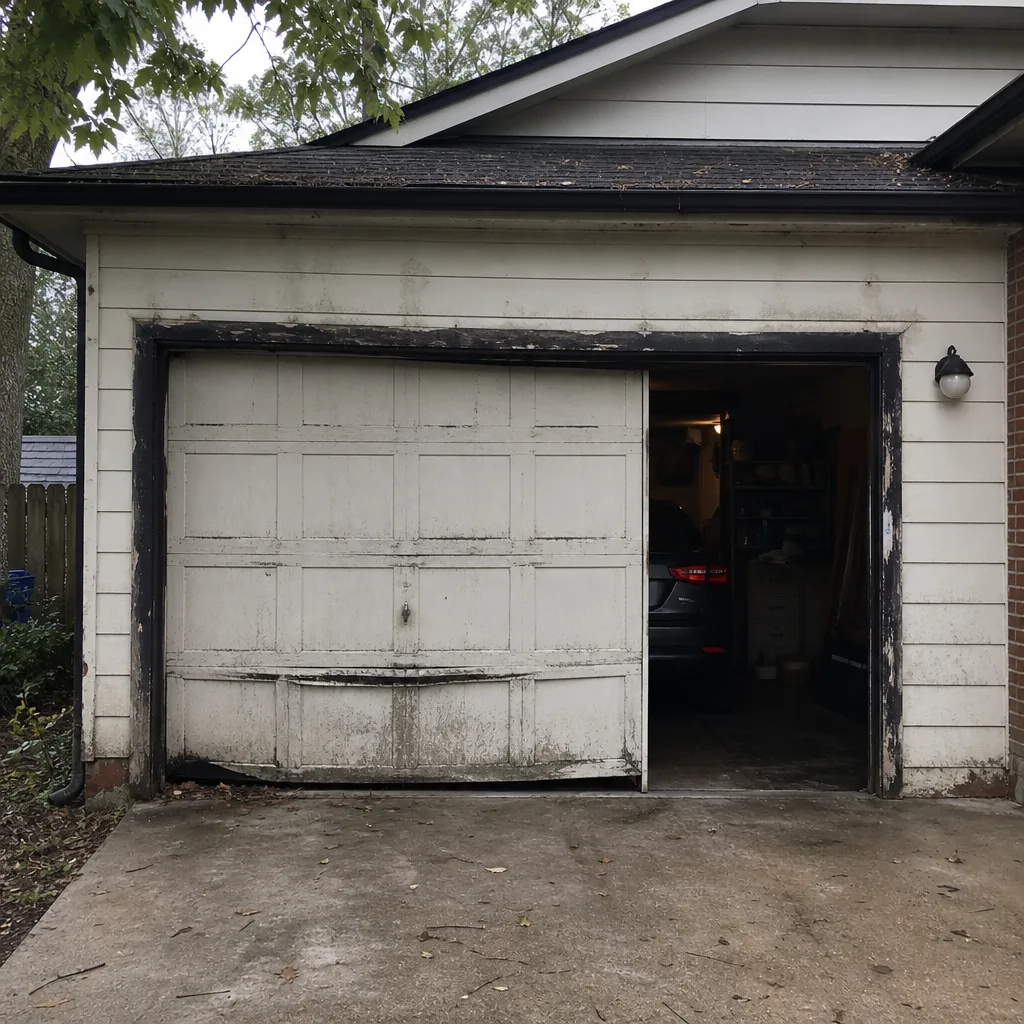 Before
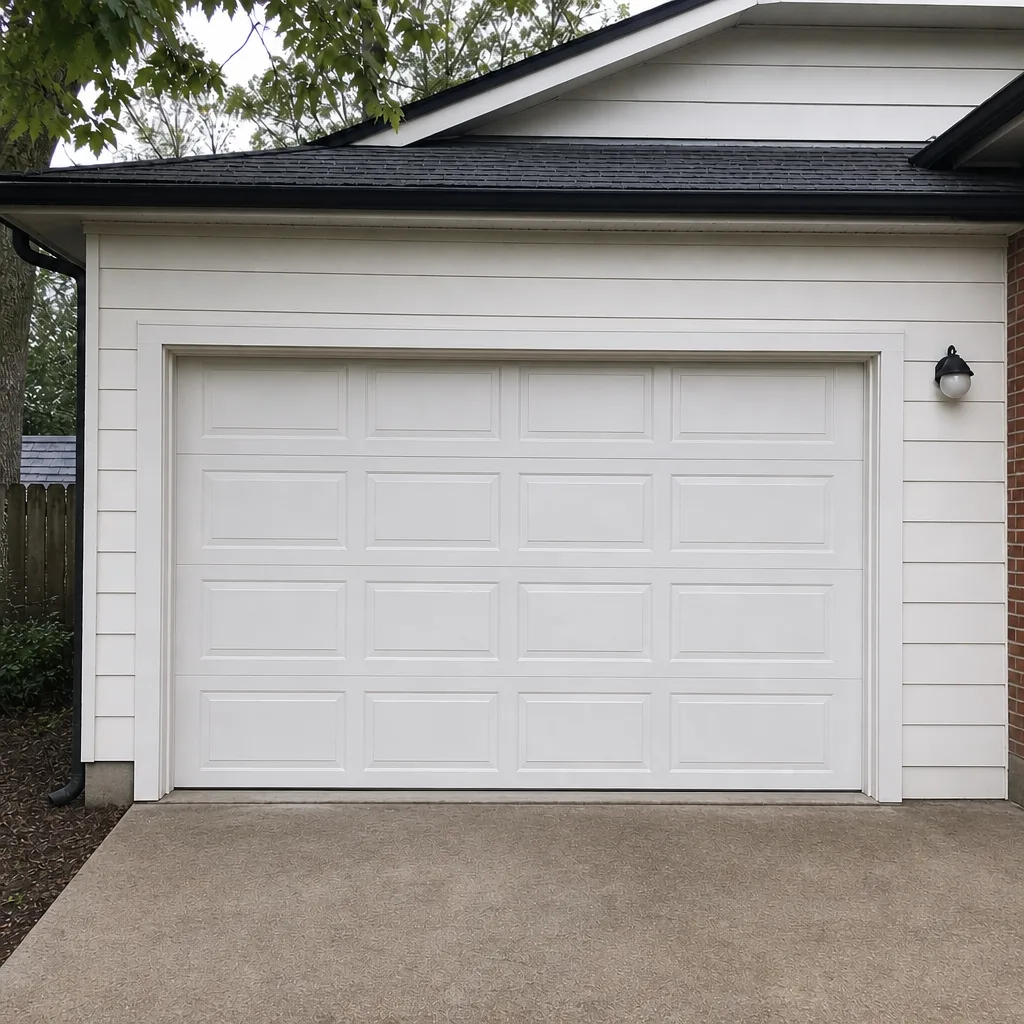 After
Common Mistakes to Avoid
- Assuming “replacement” always means no permit. A replacement door that changes the opening size is a structural change and does require a permit. Read the spec before you assume.
- Not confirming who is pulling the permit. The permit is pulled by the licensed contractor doing the work, not by the homeowner, and a contractor who won’t put that in writing is a contractor to walk away from.
- Skipping the HOA architectural review. A door that matches the approved spec but not the HOA’s color palette can end up being removed and reinstalled. Confirm approval before ordering, not after.
- Not verifying the wind-load rating on a new door. Maryland’s code has a design pressure requirement, and a door sold without documentation may not meet it.
- Closing out a sale without checking the permit record. An open or unrecorded permit on garage door work can delay a Silver Spring closing. Confirm the final inspection before listing.
- Assuming the old door’s electrical wiring is fine. If the panel or circuit that fed the old opener is undersized or improperly grounded, the new opener inherits a hazard. Have the electrical side inspected if there’s any doubt.
- Trying to adjust springs to pass a balance check. Springs are under extreme tension and this is not a DIY repair. Balance issues belong with a trained technician, not a homeowner prepping for an inspection.
When to Call a Professional
Permit questions overlap with mechanical issues more often than people expect. Call us when a new door install is planned on a Silver Spring home and you need the opening spec, wind-load documentation or insulation requirement confirmed before you order. Call us when the door is off its tracks, a spring has failed, or the opener is dead, because those are mechanical failures that need a trained technician regardless of the permit record. We handle spring repair in-house, and we service the brand you already have (LiftMaster, Chamberlain, Genie, Clopay, Amarr, Wayne Dalton, Craftsman, Raynor) rather than pushing a single product line. For emergency situations where the door won’t close and the house isn’t secure, we answer the phone even when dispatch is closed. Silver Spring Garage Door Repair Pros offers free estimates in Silver Spring. Call (833) 482-6713.
Frequently Asked Questions
Usually not, for a like-for-like replacement of the same size door. A permit is generally required when the size of the opening changes, a new opening is cut, framing or a header is modified, or new electrical work is needed for a hardwired opener. Confirm with Montgomery County’s building department for your specific case. Call (833) 482-6713 for a free estimate on the door side, and we’ll flag any permit questions before work begins.
The licensed contractor doing the work pulls the permit, not the homeowner. It should be on the written quote as part of the project scope. If a contractor asks you to pull your own permit, that’s a sign the contractor may not be licensed to perform the work in the county. Ask for the permit scope in writing before any work starts.
Not if it replaces an existing opener on the same circuit, which is the common case. An electrical permit generally applies when a new outlet, a new circuit, or a panel or service upgrade is needed to feed the opener. If the old opener was hardwired into a junction box, the electrical work should go to a licensed electrician. Call (833) 482-6713 for the mechanical side; we’ll flag if new wiring looks like it’s needed.
It often surfaces at resale, when the county’s permit record doesn’t match the door on the house. Remediation usually means pulling the permit after the fact, passing inspection, and correcting any work that doesn’t pass. The cheapest fix is to confirm the permit requirement before the install, not after closing. Call (833) 482-6713 for a free estimate and we’ll go through the scope with you.
Yes. Maryland’s building code tracks the International Residential Code in recent cycles, and new residential garage doors are rated for design wind pressure and specified with an insulation value where the door separates conditioned space from unconditioned or outside. Ask the manufacturer for the documentation, not just the word “insulated.” The written estimate we provide lists the spec of the door being quoted.
Often yes, and they’re separate processes. The county permit covers structural and electrical scope; the HOA architectural review covers door style, color and material. Submit the door spec to the HOA before ordering, and pull the county permit in parallel. A door that’s county-compliant but not HOA-approved is still a door you’ll likely have to change. Call (833) 482-6713 for a free measure and we’ll get you the spec to submit.
The Bottom Line
Silver Spring’s garage door code story comes down to scope. A same-size replacement usually runs without a permit. A change to the opening, a new opening, framing work, or new electrical for a hardwired opener does trigger one, and those items need to be on the written quote from the start. Wind-load and insulation specs apply to new doors, inspection checks the door against the approved drawings, and HOA architectural review runs on its own track. None of this is difficult once it’s laid out. The failure point is almost always silence about the permit question before the door is ordered. If the paperwork side is settled, the install is a scheduling job; a free measure and a written estimate settle both. Call (833) 482-6713. We answer 24/7. Fast dispatch from 7am to 7pm, Sunday through Friday.
Written by the team at Silver Spring Garage Door Repair Pros.