
Last updated November 23, 2026
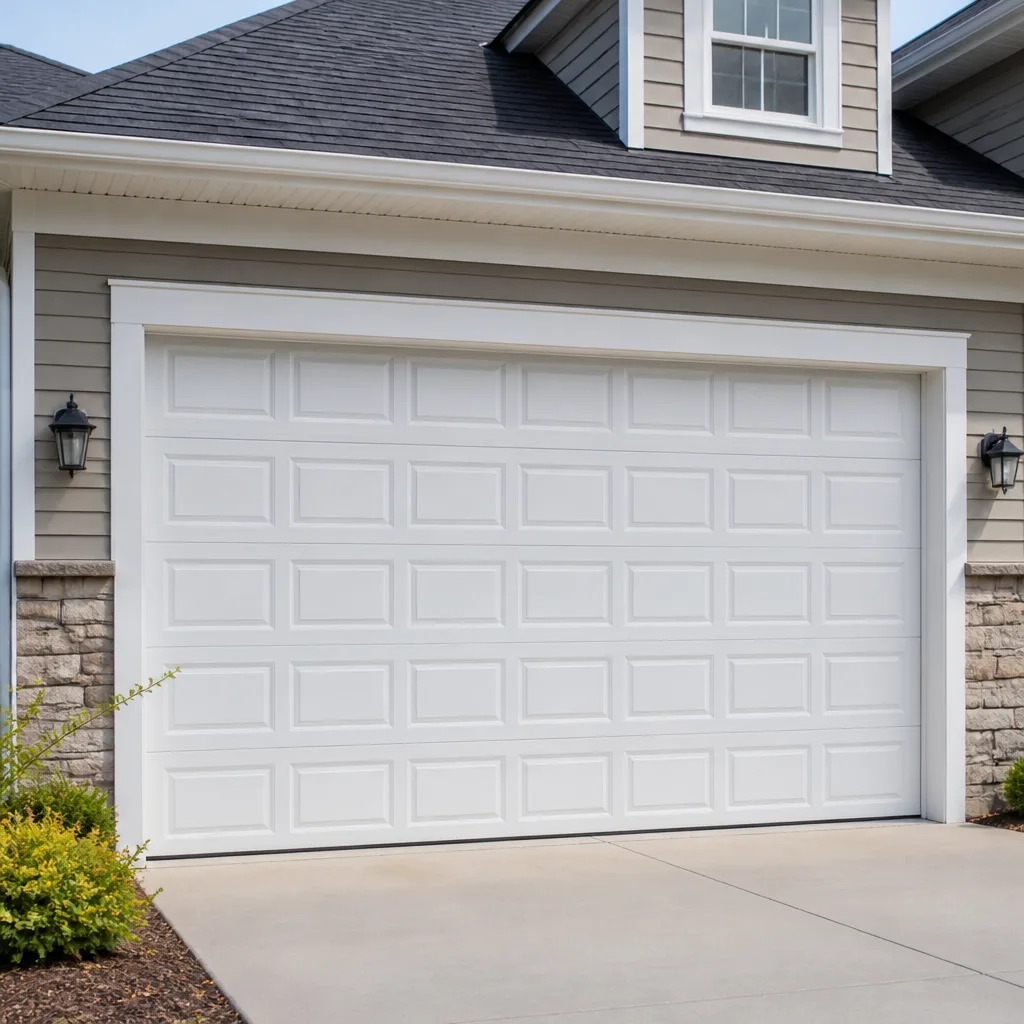 Raised-panel steel
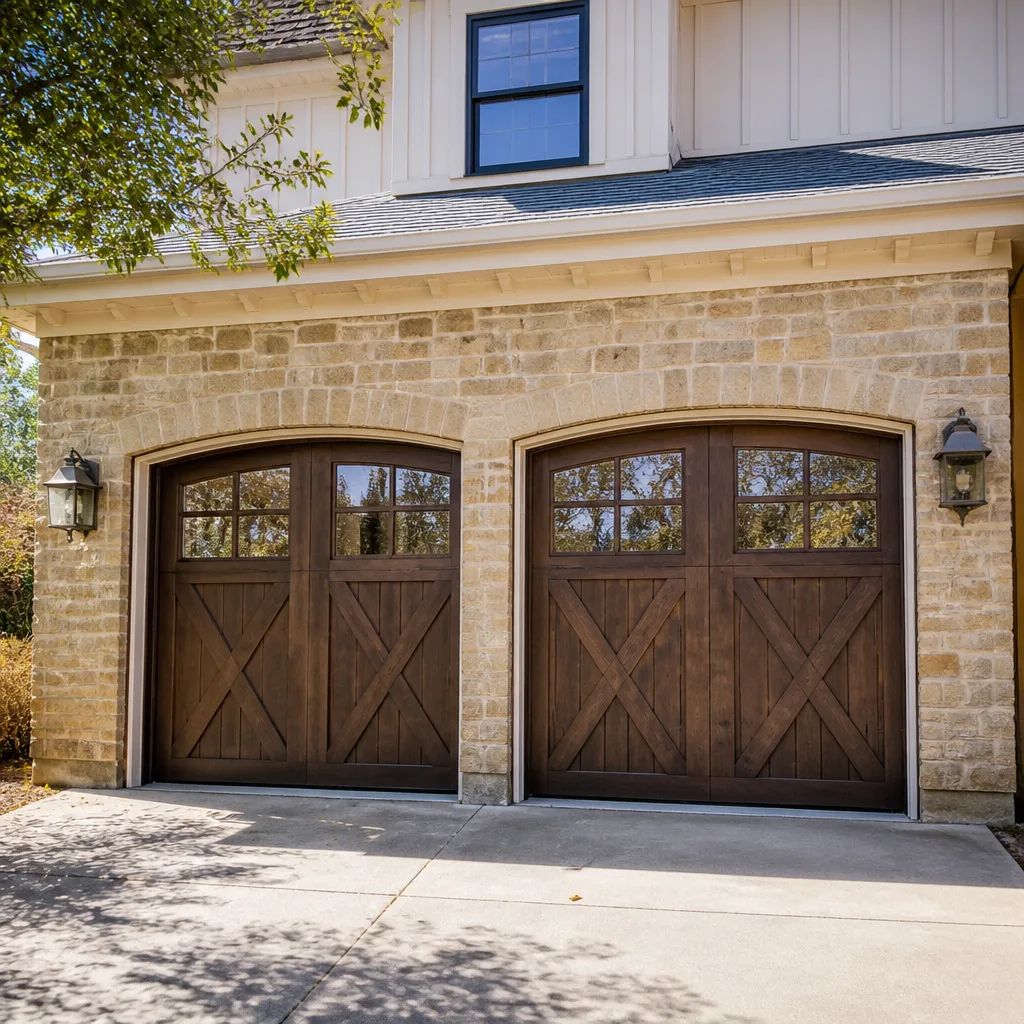 Carriage house
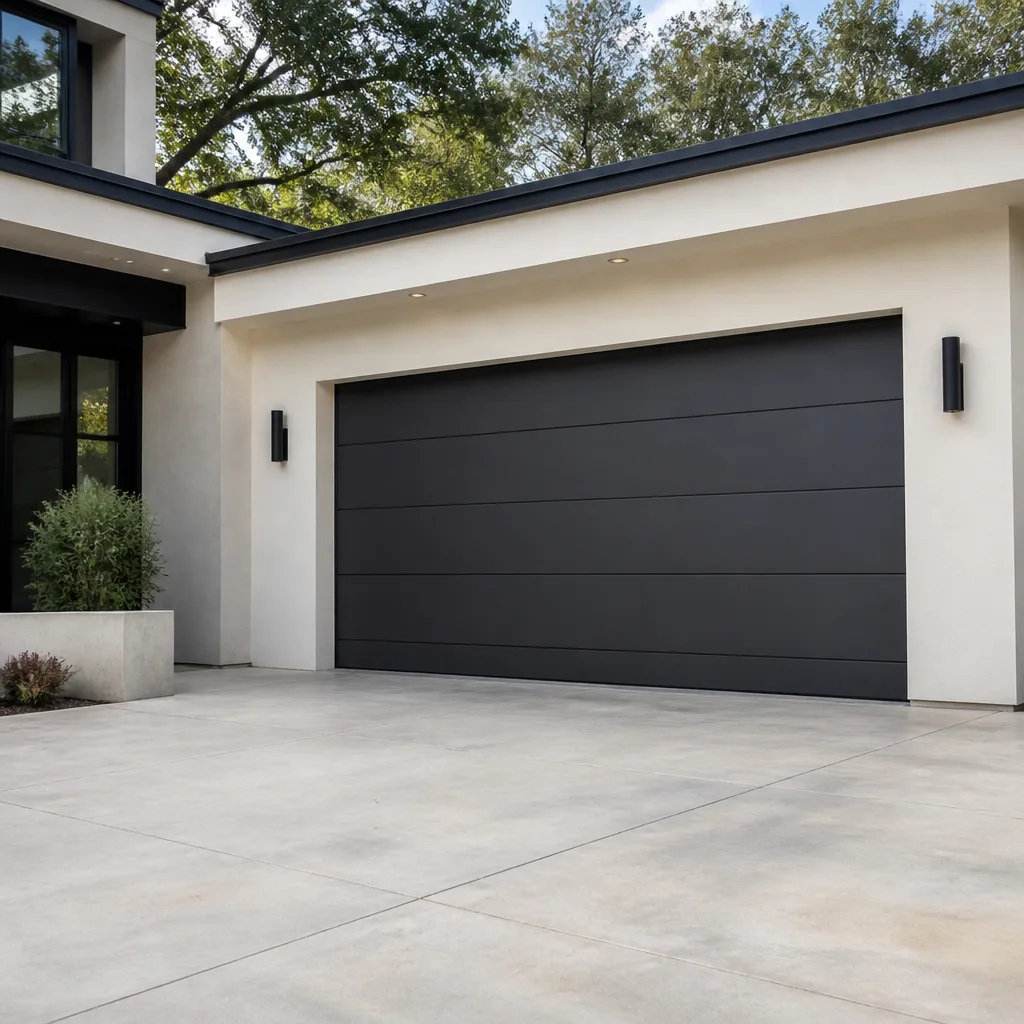 Modern flush
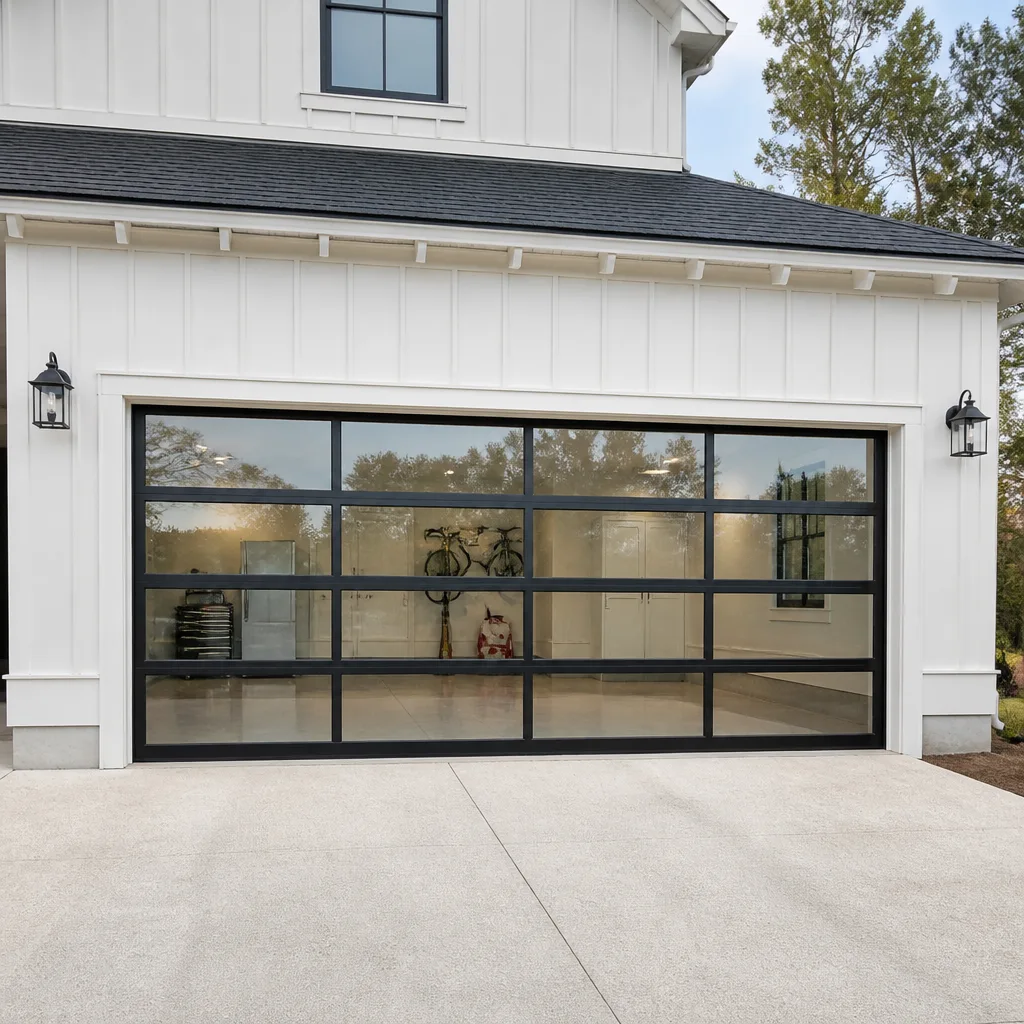 Full-view glass
 LiftMaster openers
 Chamberlain openers
Full 25-point door and opener safety check with every visit - springs, cables, rollers, tracks, and your LiftMaster or Chamberlain opener included
You get a price before we start. It does not change when the pro arrives.
Get your free estimateSeasonal Garage Door Care for Silver Spring: Year-Round Homeowner’s Guide
The standard advice says to service your garage door twice a year, in spring and fall. In Silver Spring, that calendar misses the point. We’re not sitting at the mid-Atlantic median here. The summer humidity runs closer to DC levels, Maryland winter road salt gets tracked straight into garages, and the freeze-thaw swings are hard enough to work on hardware that would last years in a drier climate. Each season produces its own distinct failure mode, and the right maintenance window for each is narrower than a generic checklist implies. This guide maps specific mechanical risks to the actual conditions each Silver Spring season creates, so you can get ahead of a breakdown instead of chasing one.
Quick Answer
Garage doors in Silver Spring need four different care routines, not one: a humidity check in summer, spring-tension adjustment in fall before the cold load arrives, salt and corrosion control in winter, and a cable-and-roller inspection in spring after the cold season. The single highest-value habit is a visual inspection at each seasonal shift – it catches most serious problems before they become a door that won’t close.
Styles & brands we work with
- Raised-panel steel
- Carriage house
- Modern flush
- Full-view glass
- LiftMaster openers
- Chamberlain openers
Table of Contents
- Why Silver Spring’s Four Seasons Stress a Garage Door Differently
- Summer Care: Humidity, Swelling, and Paint Failure
- Fall Care: Adjusting Spring Tension Before Winter Arrives
- Winter Care: Road Salt and Corrosion in the Garage
- Spring Care: The Post-Winter Inspection Sequence
- The Tree Canopy Effect on Weatherstripping and Tracks
- A Silver Spring Seasonal Maintenance Calendar
- What You Should Never Adjust Yourself
Why Silver Spring’s Four Seasons Stress a Garage Door Differently
Most garage door material on the internet treats the mid-Atlantic as one uniform climate. That’s a mistake. A door system in Silver Spring faces a specific sequence of pressures over twelve months, and understanding that sequence is what separates useful maintenance from busywork. No single season here is the culprit. It’s the transitions between them that wear hardware out.
Consider what the year actually does to a door. Summer brings weeks of high humidity that saturate wood and test every coat of paint on a steel panel. Fall arrives with dropping temperatures that change how springs carry load. Winter adds road salt and grit into the enclosed space of the garage, where it sits against metal brackets and cables rather than washing away. Spring then reveals everything the cold season did, from frayed cables to flat-spotted rollers. A door that gets attention at each of these handoffs holds up far better than one serviced once and forgotten.
There’s a structural reason seasonal care matters here more than it might in, say, Arizona. Our seasons are genuinely distinct, which means your door cycles through real expansion and contraction, real moisture swings, and real freeze-thaw cycles every year. Hardware that’s inspected for those shifts gets replaced before a small crack becomes a snapped cable. Hardware that isn’t tends to fail at the worst moment, usually on a morning you need the car out.
We see this play out across Silver Spring’s older neighborhoods especially, where original or decades-old doors and openers are still in service. The equipment lasts, but it needs the right kind of attention at the right time of year. That’s what the rest of this guide is about.
Key takeaway: treat the four season changes as four separate service checkpoints, each targeting a different mechanical risk.
Summer Care: Humidity, Swelling, and Paint Failure
Summer in Silver Spring is hard on two door types in particular: wood and steel. They fail in opposite ways, and both failures peak in the same humid stretch of July and August.
Wood doors: swelling and binding
Wood door panels take on moisture when the air stays humid for weeks. The wood swells slightly, and that swelling shows up as panels that rub against the frame, a door that scrapes on one side, or sections that no longer sit flush. Left alone through a humid summer, repeated swelling and drying loosens joints and opens seams where water gets in next time.
The maintenance window for wood is early summer, before the wettest stretch sets in. That’s when to check panel alignment, look for gaps at the joints, and confirm the finish is intact. Sealing bare or checked wood before the humidity peaks is far easier than correcting a warped panel later.
Steel doors: paint failure and moisture behind the coat
Steel doors fail differently. The enemy is a compromised paint film. A scratch, a chip, or a thin spot lets moisture sit against bare steel, and in Silver Spring’s summer humidity that spot starts to rust faster than you’d expect. Rust bubbling under paint spreads outward and eventually pits the panel.
Late spring into early summer is the window to inspect the whole door surface, touch up chips, and re-seal any thinning areas before the humid weeks do their work. Pay attention to the bottom edge of the door and the lower panels, where moisture and road splash collect.
- Wood doors: check panel alignment and joint gaps in early summer; reseal before peak humidity.
- Steel doors: inspect for chips and rust in late spring; touch up and re-seal before the wet season.
- All doors: confirm the weather seal at the bottom hasn’t cracked, since a failing seal lets humid air and water reach the door’s lower edge.
If a panel is already warped or a steel door has rusted through, repair has limits and we’ll say so. Our garage door repair work covers panel replacement when patching won’t hold.
Fall Care: Adjusting Spring Tension Before Winter Arrives
Fall is the only season in Silver Spring where adjusting spring tension to account for the coming winter load makes sense. This is the part near every generic guide, and it’s also where people get hurt. We’ll explain what changes and how to tell your system needs attention, without walking you through a task that belongs to a trained technician.
Why tension matters when temperatures drop
Torsion and extension springs are what counterbalance the weight of your door. As temperatures fall, the metal behaves slightly differently and the balance point shifts. A door that opened smoothly in September can feel heavier, slower, or uneven by December. That extra load on the opener and on the springs themselves accelerates wear.
How to tell your springs need an adjustment
- The door feels noticeably heavier when you lift it by hand (test only with the door disconnected and the opener off, and only if you’re comfortable – most people shouldn’t try this).
- It opens unevenly or stops partway.
- You hear a rhythmic creak or a popping sound through the cycle.
- The opener strains audibly or the door drifts down when left half-open.
Any of these signals means it’s time for a professional balance check. Fall is the right moment, before winter load and cold make the problem worse. Our garage door spring repair covers torsion and extension systems, and we handle it in-house rather than handing it off.
A single spring and a matched pair cost differently. Springs are almost always replaced as a matched pair when they carry the same door, so plan for the pair, not one spring.
Safety note: springs are under extreme tension. This is not a DIY repair. The tools and training required to release and re-tension a spring safely aren’t something a homeowner should improvise, and a mistake can cause serious injury. If you suspect an adjustment is needed, that’s a call to a trained technician, not a weekend project.
Winter Care: Road Salt and Corrosion in the Garage
Winter in Silver Spring brings road salt, and that salt doesn’t stay on the road. It gets tracked into the garage on tires and boots, where it sits against metal hardware and eats into it faster than weather exposure alone would. This is the winter problem most homeowners never think about, because the corrosion happens out of sight.
Where salt does its damage
The bottom seal, the bottom brackets, the cables, and the track near the floor are all in the path of salt-laden slush. Salt holds moisture against metal, and that combination corrodes brackets and hardware more aggressively in the enclosed garage than it would outdoors, where rain periodically washes surfaces. Rust in the wrong place weakens a bracket or frays a cable anchor point.
Practical winter habits
- Rinse or sweep the garage floor regularly during salt season, and wipe down the lower track and bottom bracket area with a damp cloth so salt doesn’t sit.
- Inspect the bottom seal for cracks and hardening – a stiff, cracked seal no longer keeps out water and grit.
- Look at cables and brackets for rust bloom or fraying where they meet the bottom corner of the door.
- Keep the track clear of grit and frozen slush so the rollers don’t grind through it.
- Don’t force a frozen door – if the door is stuck to the ground, release the opener before trying to move it, and call if it won’t free up.
If a door won’t close in the middle of a winter cold snap, that’s a security problem as much as a mechanical one. Our Silver Spring Garage Door Repair Pros team handles emergency garage door service for exactly this scenario. Call (833) 482-6713. We answer 24/7, and fast dispatch runs from 7am to 7pm, Sunday through Friday.
Spring Care: The Post-Winter Inspection Sequence
By the time spring arrives, winter has left its marks. Cables that were fine in November may be frayed from cold-season brittleness and salt exposure, and rollers that took a hard winter often show flat spots or wear. Spring is the season to run a systematic inspection, top to bottom. Here’s the sequence we’d work through.
The inspection sequence
- Start with the door closed and the opener off. Never inspect while the door is moving.
- Look at the cables running along each side. Check for fraying, kinks, rust, or slack. A frayed cable is a warning, not a wait-and-see item.
- Check the rollers for flat spots, cracks, or wobble. Cold-season use on dry or gritty tracks wears rollers faster.
- Inspect the springs for gaps, rust, or sagging. Don’t touch them – just note condition and let a technician assess.
- Run your eye down the tracks for bends, debris, or loose brackets.
- Check the weatherstripping around the door perimeter for cracks, tearing, or separation from the frame.
- Test the door balance and opener response once everything else checks out.
Cable fraying and roller wear are the two items most often caught in spring that were missed all winter. Catching them here prevents a mid-summer breakdown. If the inspection turns up anything beyond the obvious, our garage door opener repair and system service can pick it up from there – one call covers the whole door, from opener electronics to springs and tracks.
Our technicians have up to 8 years of experience across this kind of seasonal assessment, and because we work on the brand you already have – whether that’s a newer Amarr, a Wayne Dalton, a Craftsman, or a Raynor – the inspection matches your actual hardware rather than a generic checklist.
The Tree Canopy Effect on Weatherstripping and Tracks
Silver Spring’s older neighborhoods are heavily shaded, and a mature tree canopy over a driveway and garage changes the maintenance picture in ways that don’t show up on a standard seasonal checklist. Two effects matter: debris load and persistent moisture.
Debris and weatherstripping
Leaves, twigs, seed pods, and sap land on and around the door year-round, and they collect in the tracks and along the top and bottom seals. Debris trapped against the weatherstripping keeps it wet, and wet rubber fails faster – it hardens, cracks, and pulls away from the frame. We see weatherstripping dry out and tear sooner on shaded doors than on doors in open sun, simply because it stays damp longer between dry spells.
Moisture and track alignment
A canopy that keeps a garage shaded also slows drying after rain. Wood door panels and the wood or metal frame stay damp longer, which matters in summer humidity and after the freeze-thaw cycles. Persistent moisture can also loosen track fasteners and cause slight misalignment over time. And when debris builds up in the track, the rollers ride over it and the door can drift out of alignment.
- Clear leaves and debris from the tracks and around the bottom seal after wind or storms.
- Check weatherstripping condition more often on heavily shaded doors.
- Look for moss, standing moisture, or rust on the track and frame after rain.
- Confirm the track is still straight and the brackets are tight – canopy-driven debris and moisture can nudge them over time.
Homeowners in tree-heavy parts of Silver Spring should treat this as a standing reason to look at the door a couple of extra times a year, beyond the seasonal handoffs.
A Silver Spring Seasonal Maintenance Calendar
Here’s the year mapped out, so you have one place to check what to do and when. Each entry targets the failure mode that season creates in Silver Spring specifically.
Spring (roughly March to May)
- Run the full post-winter inspection sequence: cables, rollers, springs, tracks, weatherstripping.
- Confirm the door balance and opener response before summer.
- Clear winter grit and any salt residue from the tracks and lower hardware.
Summer (roughly June to August)
- Early summer: check wood panels for swelling, alignment, and joint gaps; reseal before peak humidity.
- Late spring into early summer: inspect steel doors for chips and rust; touch up and re-seal.
- Watch the bottom weather seal for cracking under humid conditions.
Fall (roughly September to November)
- Have spring tension checked and adjusted for the coming winter load.
- Listen for new creaks or strain and address them before the cold.
- Test the door’s balance and opener function as temperatures drop.
Winter (roughly December to February)
- Keep the garage floor clear of salt and slush; wipe down lower tracks and brackets.
- Inspect the bottom seal, cables, and bottom brackets for rust and fraying.
- Don’t force a frozen door; call for help if it won’t operate.
This isn’t a fixed date calendar – the exact timing depends on how harsh a given Silver Spring season turns out. But the order stays the same year to year, and following it is the most reliable way to keep a door out of emergency territory.
What You Should Never Adjust Yourself
Seasonal care is mostly inspection and cleaning, and that’s the part homeowners can reasonably do. A few components are different, and we want to be direct about which ones.
- Springs: under extreme tension. Never attempt to adjust, remove, or re-tension a torsion or extension spring. This is the one item that causes the most serious garage door injuries.
- Cables: also under tension and connected to the spring system. Don’t loosen or re-route them.
- Track brackets and fasteners: small alignment changes affect the whole system. If a track is bent or a bracket is loose, a trained technician should correct it.
- Opener electronics and wiring: mains-connected wiring and any electrical work on the opener belong with a technician.
Visual checking is fine. Touching the tension-bearing parts is not. This matters more in Silver Spring than people realize, because our freeze-thaw cycles accelerate wear on exactly those components – a component that looks fine can be closer to failure than it seems. When in doubt, keep the door still and call a professional.
Common Mistakes to Avoid
- Following the generic two-times-a-year advice. Silver Spring’s distinct seasons demand four checkpoints, not two. Skipping the summer humidity check or the fall tension adjustment leaves the biggest local failure modes unaddressed.
- Ignoring winter road salt in the garage. Salt tracked in on tires and boots corrodes bottom brackets and cable hardware faster than outdoor weather exposure. Wiping down the lower hardware during salt season is one of the highest-value habits you can build.
- Waiting until spring to check cables and rollers. By then the cold-season damage is already done. Inspect at the handoff, not after the problem shows.
- Letting a shaded door’s weatherstripping go unchecked. With Silver Spring’s heavy tree canopy, seals stay damp longer and fail sooner. Check them more often on shaded driveways.
- Forcing a door that won’t move. A frozen or stuck door should be released from the opener, not forced – forcing it can bend tracks or strain the opener.
- Trying to adjust springs yourself. Springs are a trained-technician job. The cost and risk of a DIY attempt far outweigh any saving.
- Assuming a brand-new opener fixed everything. A new opener on worn springs and flat-spotted rollers just works harder and fails sooner. One seasonal check covers the whole system.
See the difference
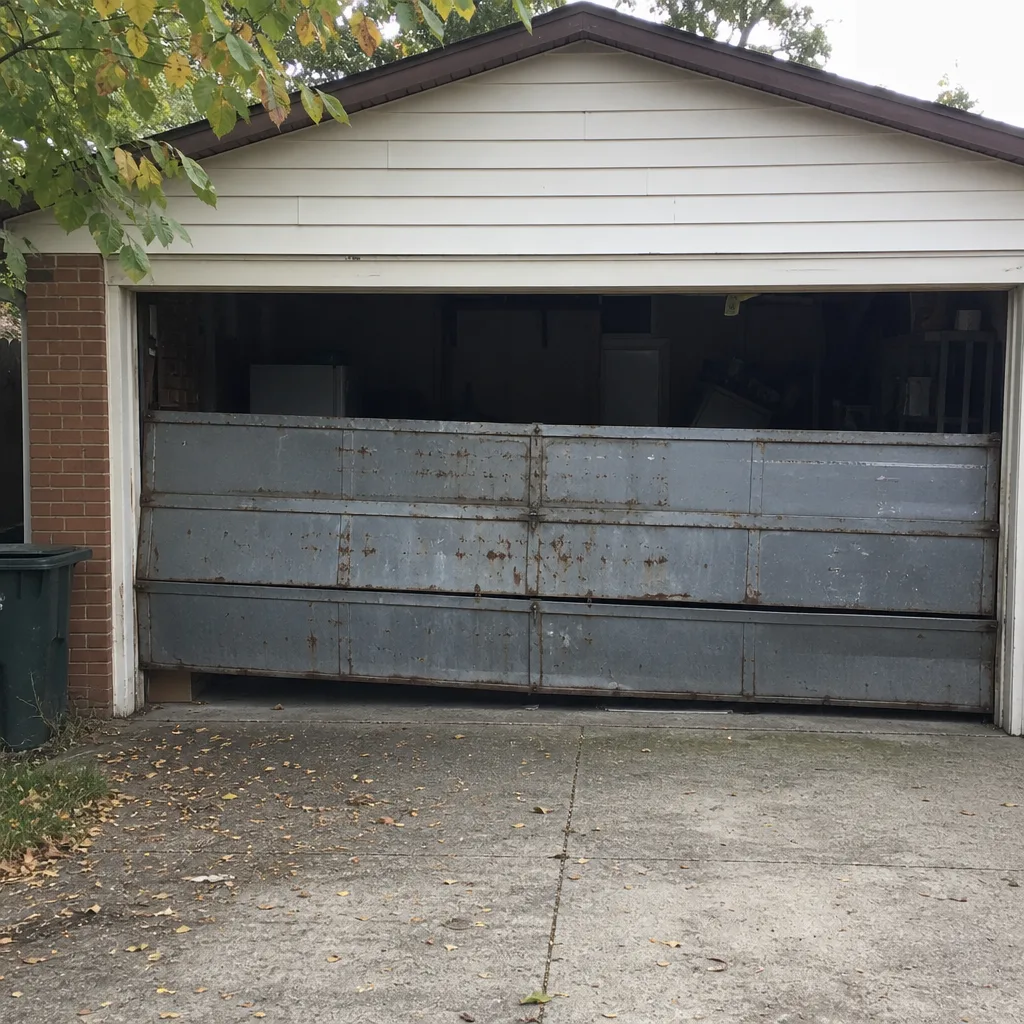 Before
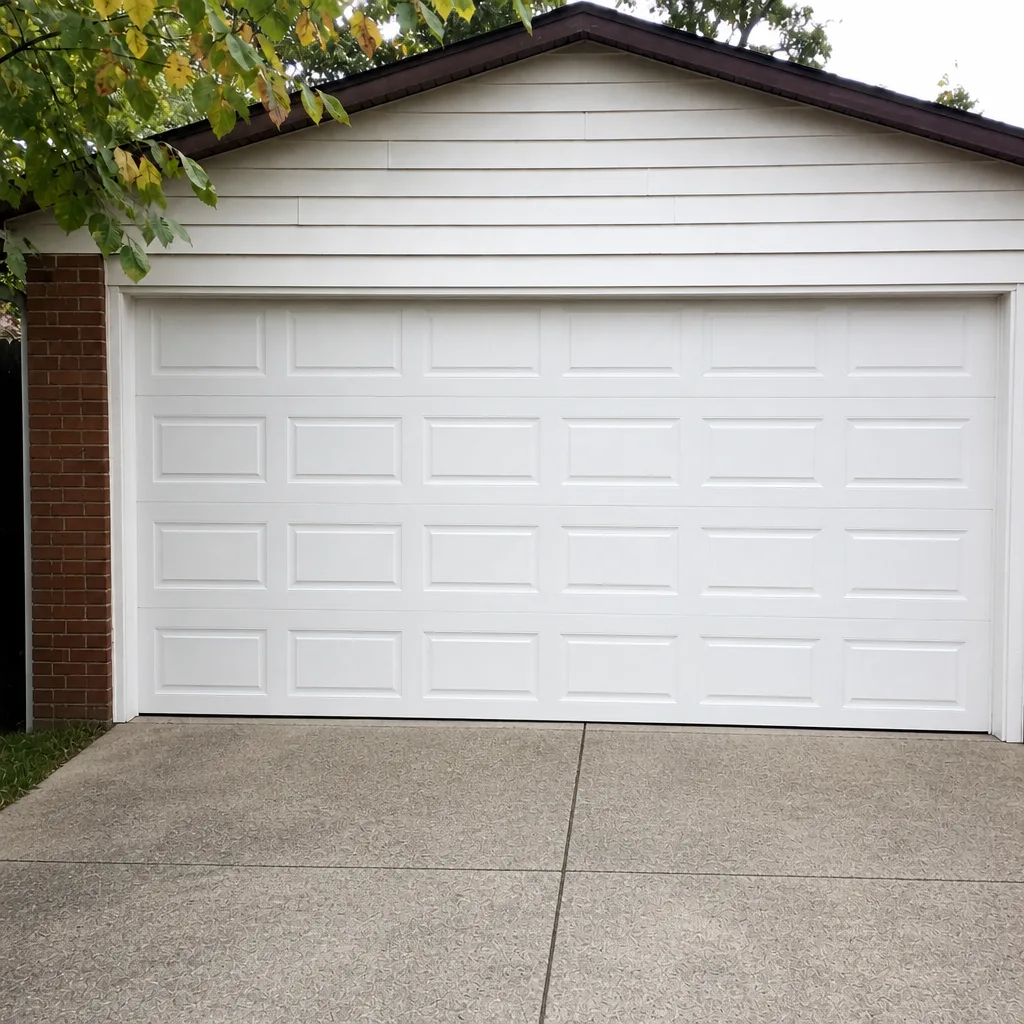 After
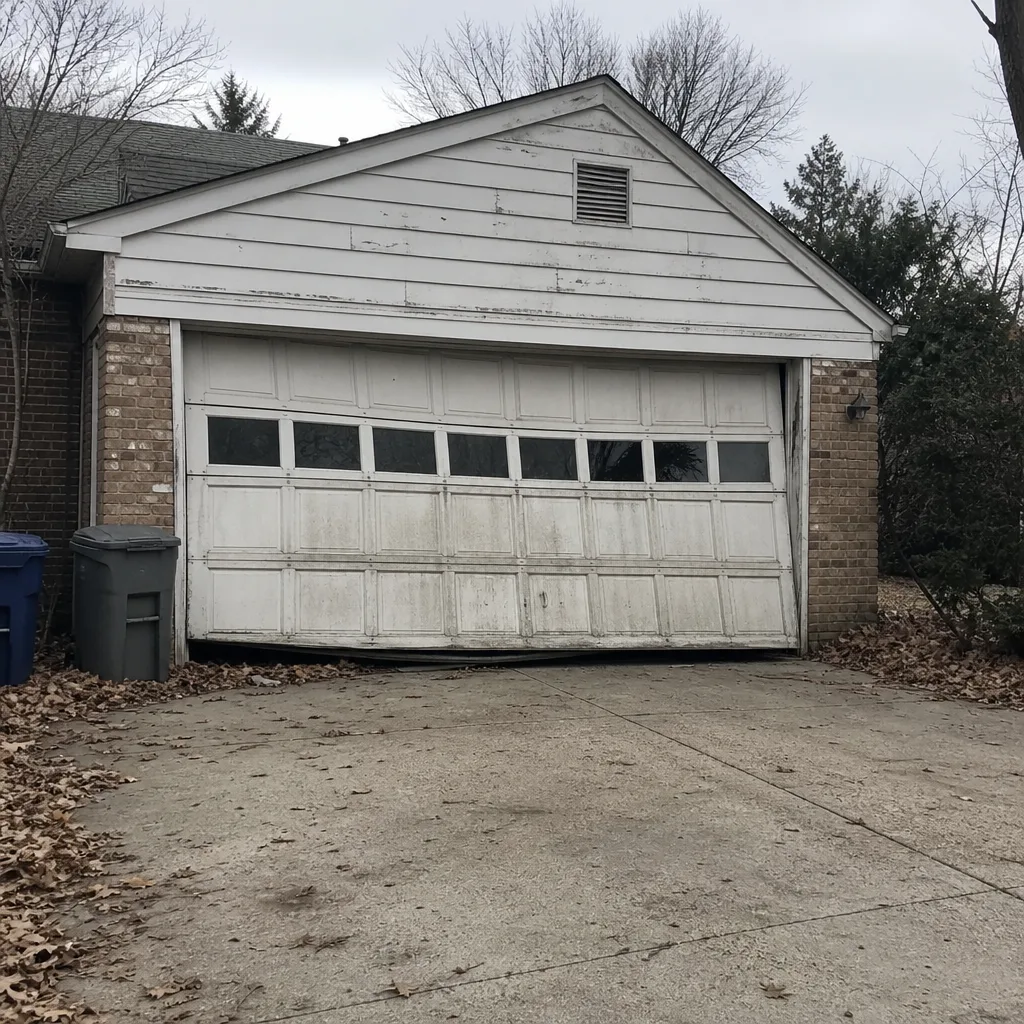 Before
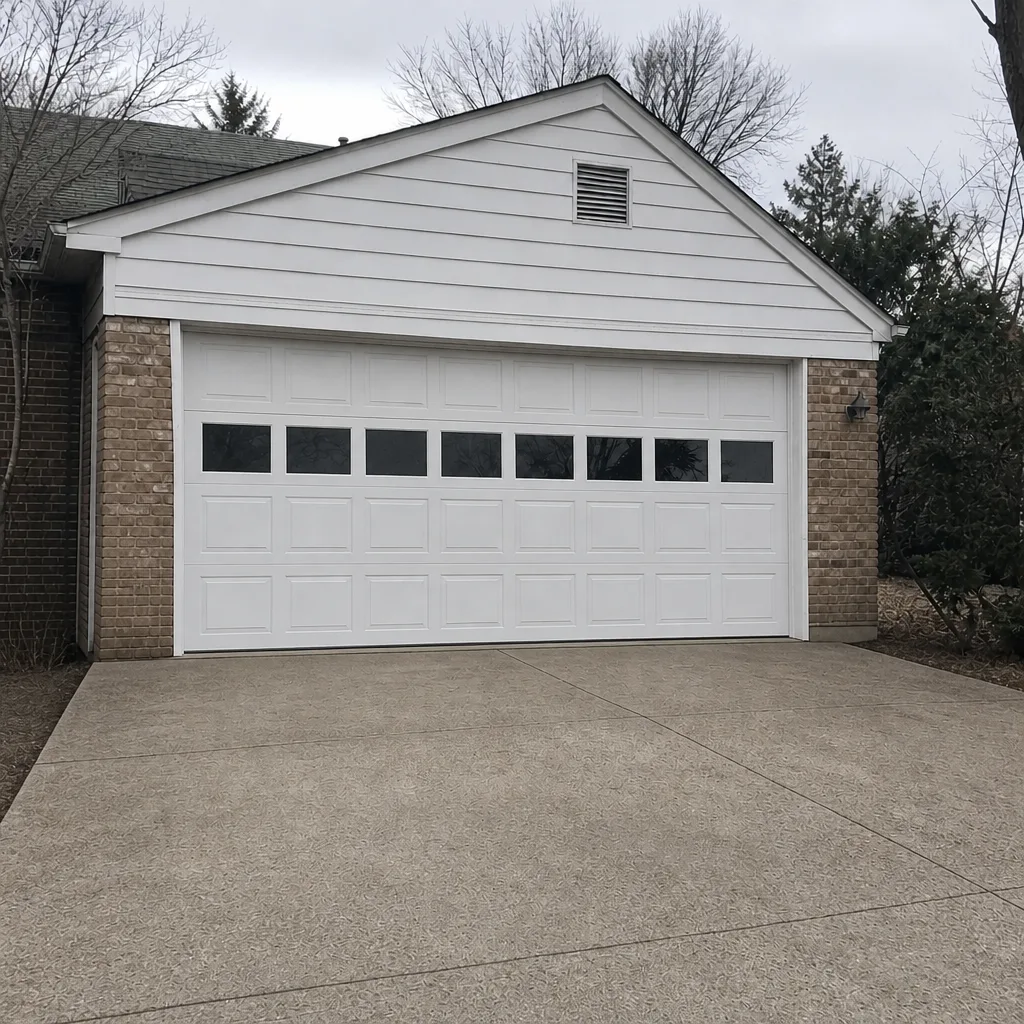 After
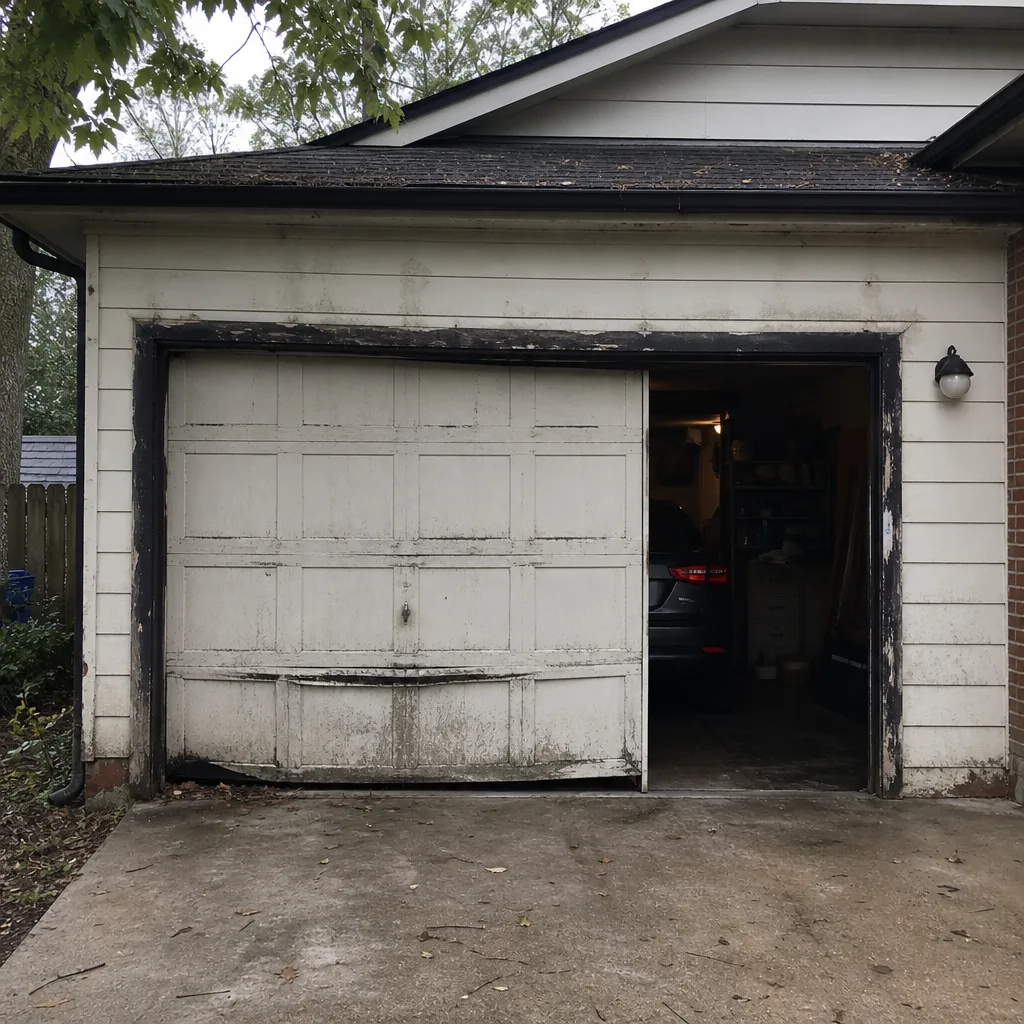 Before
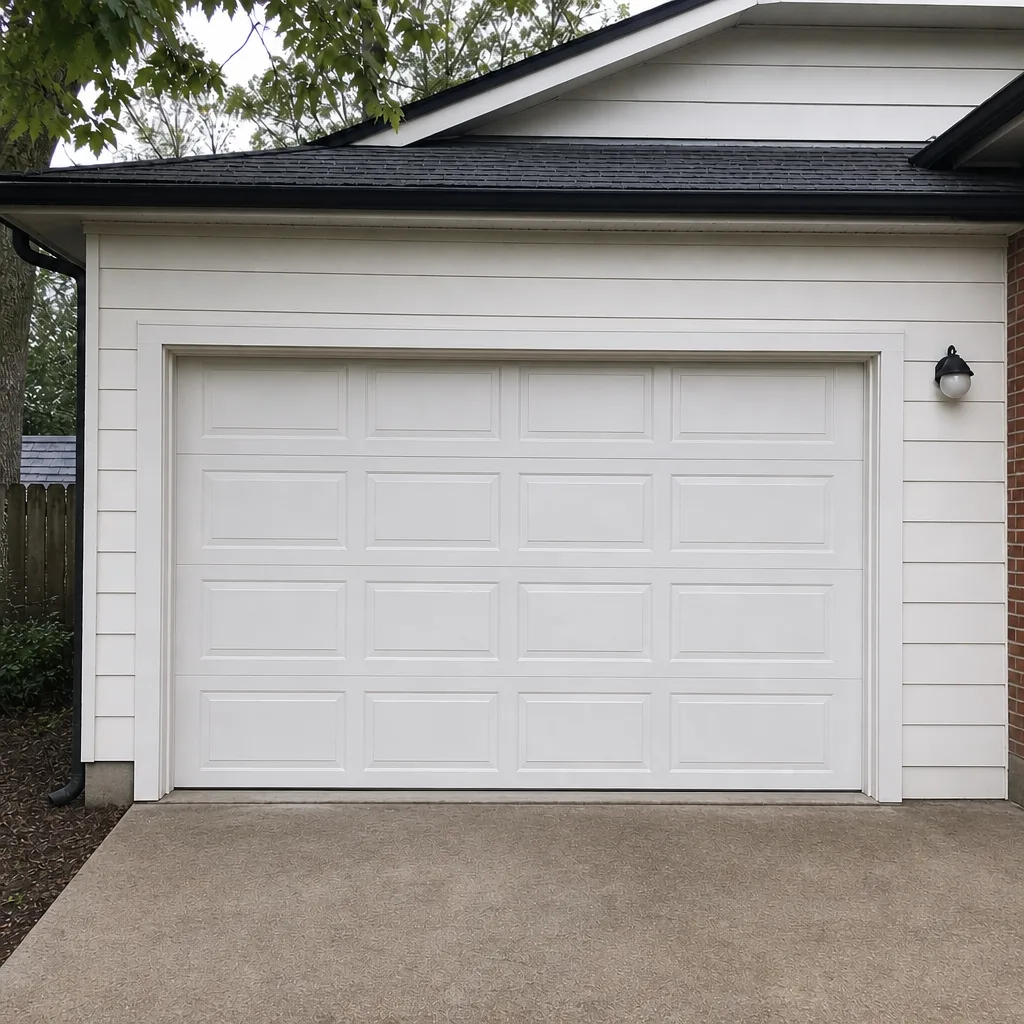 After
When to Call a Professional
Some seasonal tasks are inspection and cleaning. Others are firmly in professional territory: a frayed cable, a spring with a visible gap, a door that won’t balance, a track that’s bent, or a door that won’t close at all. If your post-winter inspection turns up any of those, don’t wait for the next season change. A worn cable or a spring close to failure can turn a routine repair into an emergency, and an emergency with a door stuck open is a security problem. Silver Spring Garage Door Repair Pros offers free estimates in Silver Spring – call (833) 482-6713. We answer 24/7, and fast dispatch runs from 7am to 7pm, Sunday through Friday. Every price is quoted and agreed before any work starts, so there are no surprises on the invoice.
Frequently Asked Questions
Four times a year is right for Silver Spring, matching the four distinct seasons rather than the usual spring-and-fall pattern. Each checkpoint targets a different risk: humidity in summer, spring tension in fall, road salt in winter, and post-winter hardware inspection in spring. Call (833) 482-6713 for a free estimate on a seasonal check.
Fall is when the coming winter load makes an adjustment matter most. As temperatures drop, the balance point shifts and a door that felt fine in September can feel heavy and strained by December. Adjusting in fall gets ahead of that load rather than correcting it after the cold sets in. If your door feels heavy or opens unevenly, call (833) 482-6713 – estimates are free.
Spring repair is priced per job by a written estimate, and springs are almost always replaced as a matched pair on a torsion system. Because the pair carries the door together, plan for the pair rather than a single spring. Call (833) 482-6713 for an exact quote – estimates are free.
Yes, a door that won’t close is an emergency and we handle it as one. A door stuck open leaves your home exposed, so we prioritize it. Call (833) 482-6713. We answer 24/7, and fast dispatch runs from 7am to 7pm, Sunday through Friday.
No. The price is quoted and agreed before any work starts, and the written estimate is the number you pay. If we find something additional during the job, we discuss it with you before doing anything further. Call (833) 482-6713 for a free estimate.
Yes, more than most homeowners expect. A heavy canopy keeps the door shaded and damp longer, which speeds up weatherstripping failure and lets debris collect in the tracks. It also slows drying after rain, which matters in summer humidity. Doors under heavy shade need extra checks on the seals and tracks. Call (833) 482-6713 if you want an assessment – estimates are free.
Written by the team at Silver Spring Garage Door Repair Pros.
The Bottom Line
Silver Spring’s real climate – humid summers, salty winters, hard freeze-thaw swings, and a dense tree canopy – creates four distinct garage door risks that a generic seasonal checklist won’t catch. Manage them by season: check wood and steel in summer, adjust spring tension in fall, control salt in winter, and run the cable-and-roller inspection in spring. Keep the tension-bearing parts out of your own hands and leave springs and cables to a trained technician. Build these four checkpoints into your year and you’ll catch most problems before they become an emergency. When something needs fixing, one call covers the whole door system.
Ready to get your door on a seasonal schedule? Call (833) 482-6713 for a free estimate. We answer 24/7, and fast dispatch runs from 7am to 7pm, Sunday through Friday.