
Last updated November 23, 2026
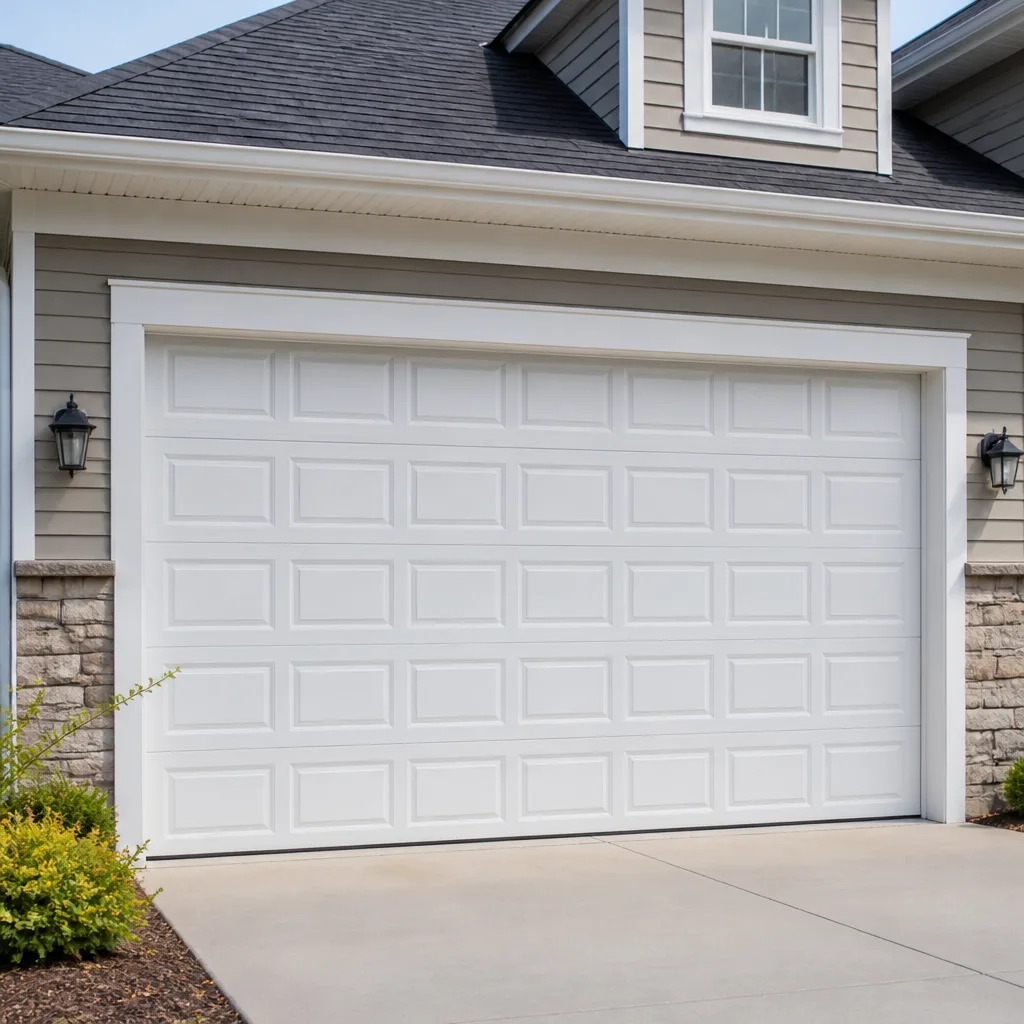 Raised-panel steel
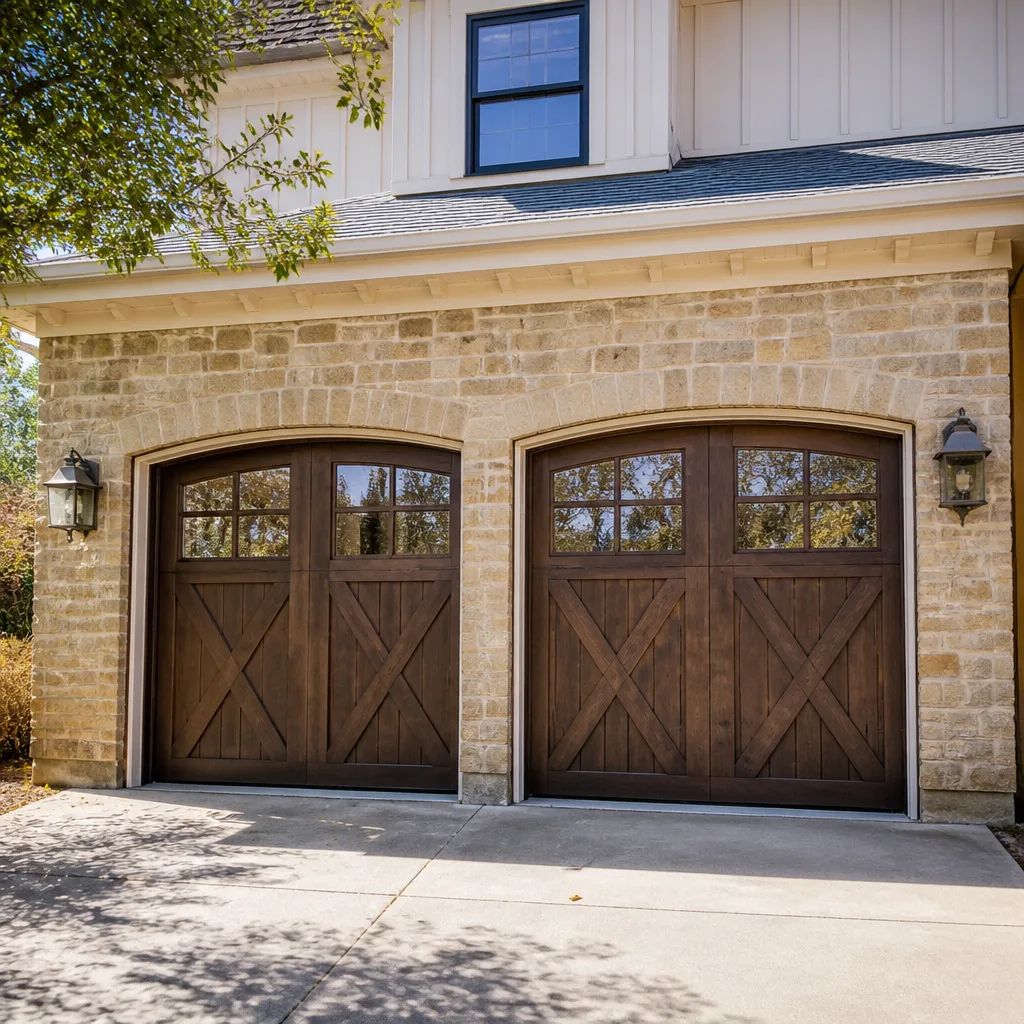 Carriage house
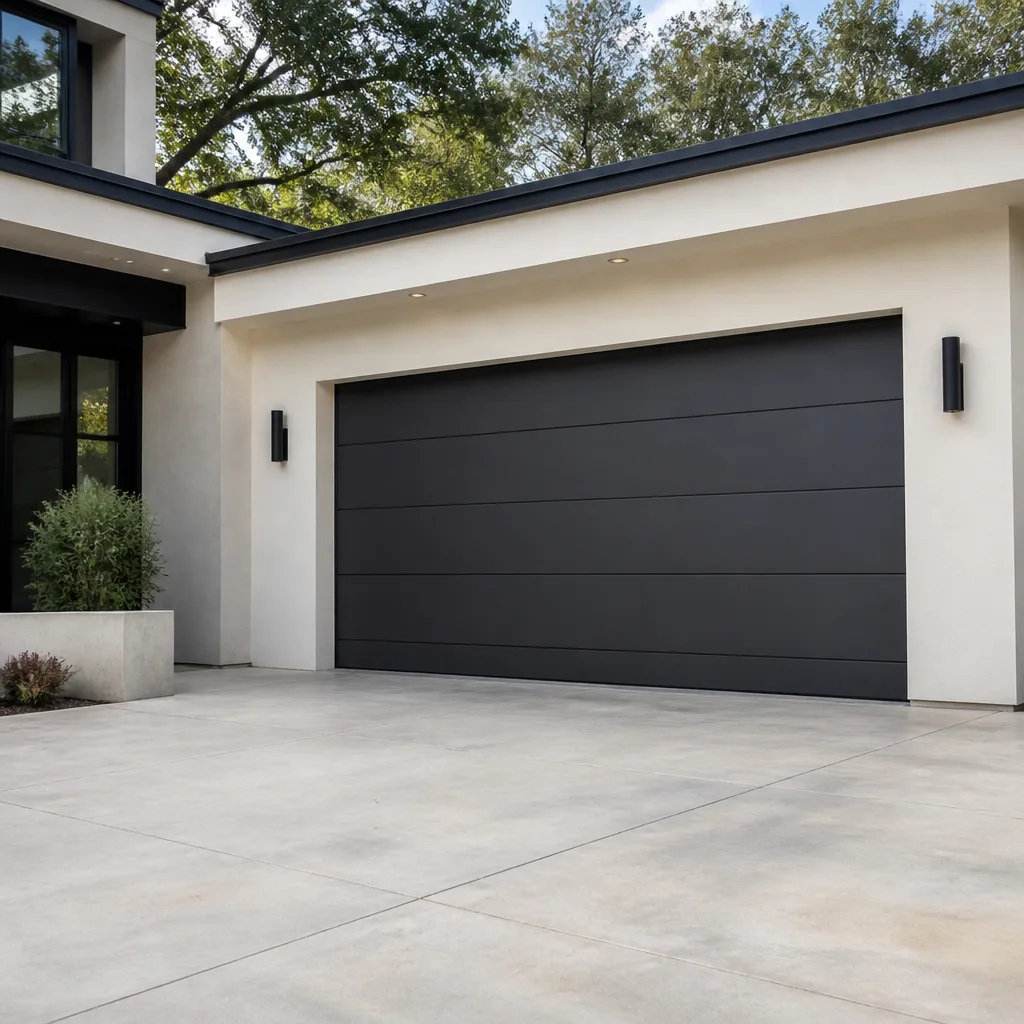 Modern flush
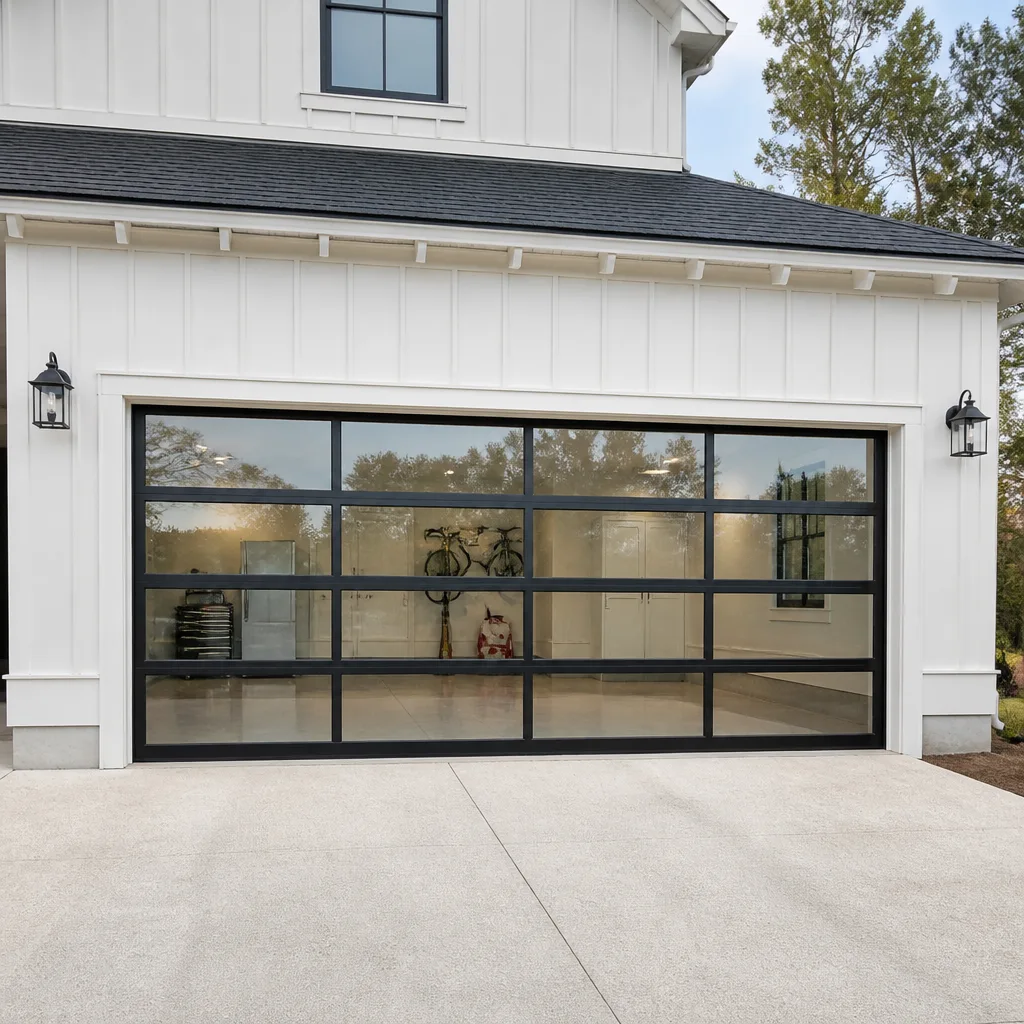 Full-view glass
 LiftMaster openers
 Chamberlain openers
Full 25-point door and opener safety check with every visit - springs, cables, rollers, tracks, and your LiftMaster or Chamberlain opener included
You get a price before we start. It does not change when the pro arrives.
Get your free estimateGarage Door Warning Signs: A Silver Spring Homeowner’s Reference Guide
A garage door that hesitates for two seconds before it moves is not “being slow.” It is showing you exactly where in the mechanical sequence something is starting to fail. Most warning-sign articles stop at the obvious symptoms, the door that won’t open or the spring that snapped with a bang. In our experience, the useful signals show up weeks earlier, and they look different depending on whether the problem lives in the opener, the springs, or the tracks. Learning to tell those three apart is what lets a Silver Spring homeowner describe the problem accurately when they call, and accurate description is what turns a guess into a repair plan.
Quick Answer
The most reliable early warning signs of a failing garage door in Silver Spring are a door that pauses or reverses before fully opening, uneven travel on one side, grinding or popping sounds that change with the season, and visible gaps, sagging, or slack on the springs and cables. If the door reverses on its own, moves with one side visibly lower, or a spring looks stretched or kinked, stop using it and call a professional. Grinding that only shows up in a January cold snap or an August heat wave is often a seasonal false positive, not a failure.
Styles & brands we work with
- Raised-panel steel
- Carriage house
- Modern flush
- Full-view glass
- LiftMaster openers
- Chamberlain openers
Table of Contents
- The Symptom-to-Cause Map: Matching Sounds and Behavior to Components
- What Springs and Cables Tell You Before They Fail
- Opener Strain or Hardware Resistance? The Manual Release Test
- Urgent Same-Day Signs vs. Signs That Can Wait for a Scheduled Visit
- Why Silver Spring Temperature Swings Create Seasonal False Positives
- A Safe 10-Minute Walkaround: What to Look For
- The Safety Features That Quietly Keep Working Until They Don’t
The Symptom-to-Cause Map: Matching Sounds and Behavior to Components
The single most useful thing you can do before you call is identify which component is complaining. A garage door system has three main players: the opener (motor and electronics), the springs (the counterweight), and the tracks, rollers, and hinges (the mechanical path). Each one fails with a different signature, and matching the signature to the component narrows the call before a technician ever arrives.
Here is the mapping we use to triage calls. It is built on the sounds and behavior a homeowner can recognize from the floor.
| Symptom | Most likely component | What it usually means |
|---|---|---|
| Grinding, metal-on-metal | Tracks, rollers, hinges | Dry or worn rollers, a bent track, or misaligned hardware |
| Loud pop or bang, then door won’t lift | Spring (torsion or extension) | A spring has failed; the door is now too heavy to raise safely |
| High-pitched squealing | Rollers or spring coils | Friction from dry bearings or coils that need attention |
| Clicking, then nothing | Opener electronics | A relay, logic board, or safety sensor issue |
| Door reverses mid-travel | Safety sensors or force settings | Sensor misalignment or an opener force limit set too tight |
| Rattling that grows louder over time | Loose hinges or track brackets | Fasteners loosening; rarely urgent but worth scheduling |
For Silver Spring homes with older Wayne Dalton or Craftsman systems, the track-and-roller signatures tend to show up first because those components wear quietly while the door still opens. A popping spring is the loudest failure and the easiest to identify, but it is also the one you should never try to investigate beyond a visual check from a safe distance. Springs are under extreme tension. This is not a DIY repair.
If a sound is new and it changes the way the door moves, it is worth a call. If the sound has been there for months and the door moves the same way, it is still worth scheduling. Call (833) 482-6713 for a free estimate, and describe the sound and where it seems to come from.
What Springs and Cables Tell You Before They Fail
Springs and cables are the highest-tension parts of the whole system, and they give visible warnings before they let go if you know what to look for from the ground. You do not need to touch anything. A slow, careful look from a safe distance is enough to catch the signs that matter.
Here is what a non-technician can safely recognize:
- A visible gap in a torsion spring. A torsion spring mounted above the door should look like one continuous coil. A gap or a broken section means it has failed or is about to.
- Stretched or kinked extension springs. Extension springs run along the sides of the door. If one looks longer, thinner, or more stretched than the other, it is losing tension unevenly.
- Slack or frayed cables. Cables should sit taut and even on both sides. A cable that is drooping, frayed, or wrapped unevenly is a warning sign, and a damaged cable can whip if the spring lets go.
- A door that suddenly feels heavy. If lifting the door by hand (with the opener released) takes real effort, the springs are not doing their job.
- Visible rust or corrosion on coils. Rust weakens the wire over time and is a sign the spring is near the end of its service life.
Do not adjust, lubricate, or attempt to move a spring or cable that shows any of these signs. The tension on a wound torsion spring can cause serious injury in an instant, and a trained technician has the winding bars and the knowledge to handle it safely. Spring repair is a specialty, and it is what our team handles every day. For a deeper look at how that repair works, see our page on garage door spring repair.
In our experience across Silver Spring, the most common reason a spring repair turns into an emergency is a homeowner who ignored a stretched spring for a few weeks and then found the door stuck open or stuck shut with a car inside. Catching the visual signs early keeps that from happening.
Opener Strain or Hardware Resistance? The Manual Release Test
When a door struggles to move, the first question is whether the problem is the opener (electrical) or the door itself (mechanical). The manual release test separates them, and it is safe to do as long as you follow the steps and never put your hands near the springs or the moving parts.
- Disconnect the opener. Pull the manual release cord, usually a red handle hanging from the opener rail, to detach the door from the motor.
- Lift the door slowly by hand from the bottom handle. A properly balanced door should lift with one hand and stay where you put it.
- Notice the effort. If the door feels heavy, binds, or drops back down on its own, the problem is mechanical: springs, tracks, or rollers.
- Reconnect the opener. Re-engage the release by pulling it again and running the opener a short distance.
If the door lifts easily by hand but the opener still strains, the problem is the opener or its force settings, not the door. That points to opener diagnostics, and you can read more about how that works on our garage door opener repair page.
If the door is heavy or binds by hand, you have a hardware problem, and no amount of opener adjustment will fix it. Forcing it only wears out the opener motor faster. If the manual release itself won’t catch or the door won’t re-engage, that is an opener problem that needs a technician. We work on the brand you already have, including Amarr, Wayne Dalton, and Raynor systems, so the diagnosis is about your hardware, not a product push.
Urgent Same-Day Signs vs. Signs That Can Wait for a Scheduled Visit
Not every warning sign is an emergency, and knowing which is which saves you money and keeps you safe. The distinction comes down to two questions: is the door a safety or security risk right now, and is it at risk of causing more damage if you keep using it?
Treat these as urgent same-day calls:
- A spring has visibly broken and the door won’t lift or is stuck open.
- The door won’t close, leaving your home open to the street or the weather.
- A cable is frayed or slack, or the door is hanging unevenly on one side.
- The door reverses or comes back down on its own after hitting an obstruction.
- The door has come off its tracks or is visibly bent.
These are cases where the door is either a security gap or a physical hazard. A door that won’t close and a door held up by one strained side can both get worse fast, and a trained technician should handle them. Our garage door repair team treats these as priority work, and we answer 24/7 with fast dispatch from 7am to 7pm, Sunday through Friday.
These can usually wait for a scheduled appointment:
- Grinding or squealing that the door still moves through normally.
- A rattle that has been consistent for a while with no change in travel.
- A slow opener that still lifts the door fully.
- A cosmetic panel ding or a slightly misaligned photo-eye that the door still responds to.
- A door that only hesitates in extreme cold or heat and runs normally otherwise.
The reasoning is straightforward. If the door still moves reliably and the sound isn’t tied to a visible failure, scheduling is fine. If the door can’t complete its travel or leaves your home open, that is the same-day call. Call (833) 482-6713. We answer 24/7. Fast dispatch from 7am to 7pm, Sunday through Friday.
Why Silver Spring Temperature Swings Create Seasonal False Positives
Silver Spring sits in a climate with real seasonal swings, and those swings produce a whole category of garage door behavior that looks like a warning sign but isn’t. In January, cold contracts metal and stiffens lubricants; in August, heat expands components and softens materials. Both extremes mimic failures.
Here is what is often normal and what is not:
- A door that hesitates on a January morning and runs smoothly by midday is usually a cold-lubricant issue, not a failing spring. If the hesitation disappears as the day warms, it’s a seasonal false positive.
- An opener that strains briefly in cold weather but pulls the door up fully is often normal load, not an electrical failure. Watch whether it persists as temperatures stabilize.
- A door that shows grinding only in August, when tracks expand, may be a track or roller picking up friction with heat, and it’s worth a look but not necessarily a same-day call.
- A spring that looks fine in summer but seems sluggish in winter is worth a visual check for rust or a gap, but a small change in speed alone isn’t a failure.
The test is change over time. A symptom that comes and goes with temperature and never gets worse is usually seasonal. A symptom that shows up in every season, or gets steadily worse across seasons, is a real mechanical problem. If you’re unsure, a free estimate settles it.
The other Silver Spring factor is housing stock. Older homes with heavier wood doors put more load on springs and openers, and that load shows up first in the transitions of spring and fall. If your door has been in place for a long time and the signs are new, that is the moment to schedule an inspection rather than wait for a failure. New installations follow the same timing logic, which is why full-door installation is scheduled after a proper measure rather than handled as a same-day repair.
A Safe 10-Minute Walkaround: What to Look For
A careful visual check takes about ten minutes and tells you whether to call today or schedule. Do it from the ground with the door closed and the opener off, and never touch the springs or cables.
- Look at the springs. Check for a gap in a torsion spring, or stretched, rusty, or uneven extension springs. Note what you see.
- Look at the cables. Cables should be taut and even on both sides. A drooping or frayed cable is a stop sign.
- Check the door’s level. Standing back, does one side sit noticeably lower than the other? Uneven closure points to spring or cable trouble.
- Run the door and listen. Note any new sound: grinding, popping, squealing, or clicking. Note where it seems to come from.
- Watch the travel. A door that pauses, reverses, or jerks to one side has a problem worth a call.
- Check the weather seal and panels. Gaps at the bottom or cracks in panels are not urgent but affect security and energy, and are worth adding to a scheduled visit.
Write down the symptoms and the conditions, such as “grinds for the first thirty seconds in cold weather” or “squeals on the way down.” That description is what turns a vague call into an accurate repair plan, and it’s the detail a technician uses to arrive prepared. Our team covers openers, springs, panels, tracks, and full installations, so no part of what you find gets handed off to a second contractor.
For a broader overview of what we do, visit the Silver Spring Garage Door Repair Pros home page.
The Safety Features That Quietly Keep Working Until They Don’t
The safety features on a garage door are the part most homeowners never think about, and they are also where a subtle failure becomes a safety problem rather than a convenience problem. The two that matter most are the photo-eye sensors and the auto-reverse function.
Photo-eye sensors sit near the floor on each side of the door. When something breaks the beam, the door should stop and reverse. If the beam is misaligned, blocked by a leaf or a label, or the lens is dirty, the door may refuse to close or may close anyway depending on how the system is set. Test them by watching the door close and breaking the beam, then clear it and try again. A door that won’t reverse when the beam is broken needs professional attention.
The auto-reverse is the second feature. When the door meets resistance on the way down, it should go back up. If the door presses down against an obstruction without reversing, the force limit is set too high, and that is a safety issue, not a seasonal quirk. Opener force settings vary by brand, and the correct setting depends on the door’s weight and hardware. That is why we diagnose the door and the opener together rather than adjusting one in isolation.
The reason these features matter most during temperature swings is that the same cold that stiffens lubricant also changes the load on the door, which can put a borderline force setting over the edge. A door that reversed correctly in summer may not in January if the force limit was always a little tight. If you notice a change in how the door reverses, treat it as a signal to schedule. It is not a sign to adjust the limit yourself.
Common Mistakes to Avoid
- Assuming the opener is at fault whenever the door struggles. In our experience, a heavy door is usually a spring or hardware problem, and replacing the opener leaves the real problem in place.
- Adjusting the force settings to compensate for a misbehaving door. Raising the force limit to get a stiff door to close hides the symptom and turns a seasonal quirk into a safety risk.
- Lubricating springs and cables to silence a noise. Lubricant on a high-tension part can mask the real failure and does nothing for a spring that has lost tension.
- Ignoring a one-side-sagging door because it still opens. Uneven travel is often the first sign of a failing spring or cable, and it gets worse, not better.
- Replacing the whole door when a panel or opener part is the problem. A brand-neutral repair decision, made after a look at your existing hardware, often costs far less than a replacement.
- Waiting for a spring to “just let go.” A visible gap or a stretched spring is a warning, and a failure while a car is under the door is exactly what you want to prevent.
- Letting a door stay stuck open to the street overnight. In a Silver Spring neighborhood, a door that won’t close is a security gap that a same-day repair closes.
See the difference
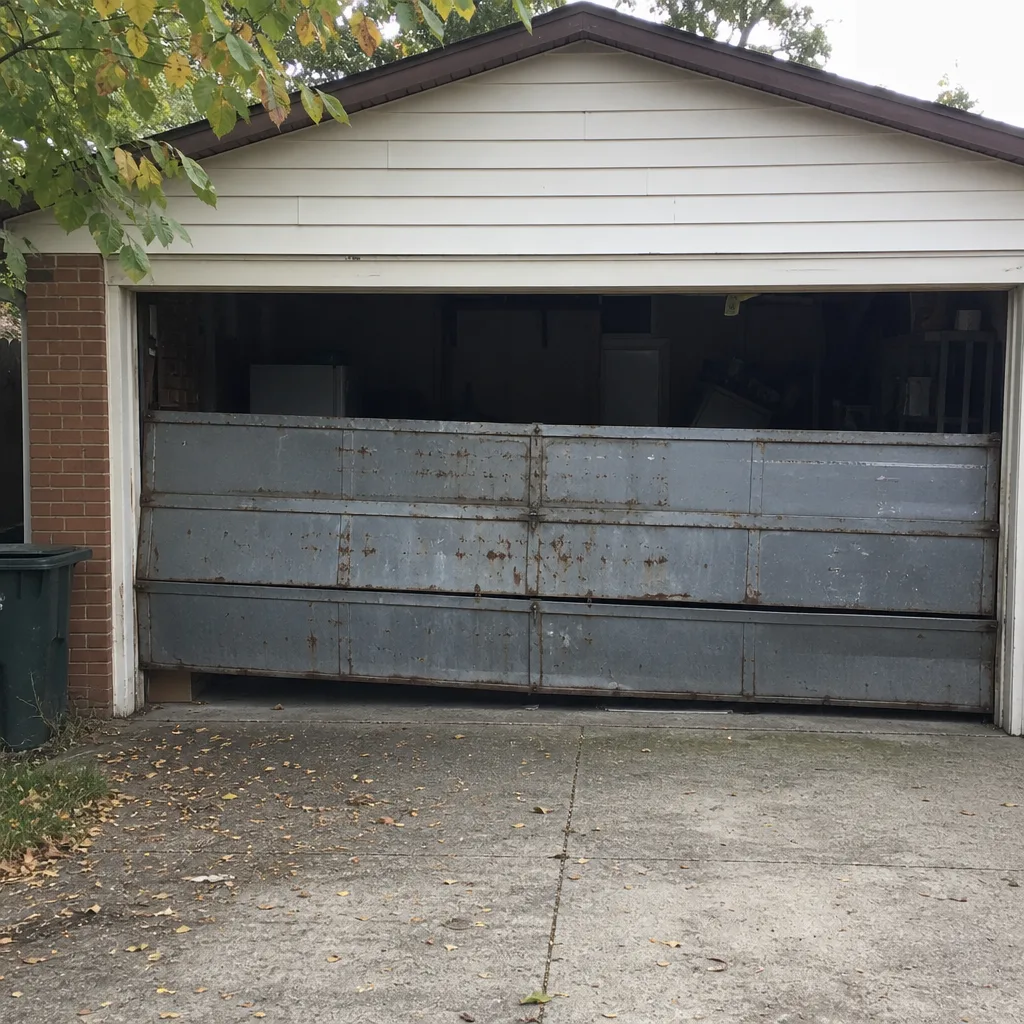 Before
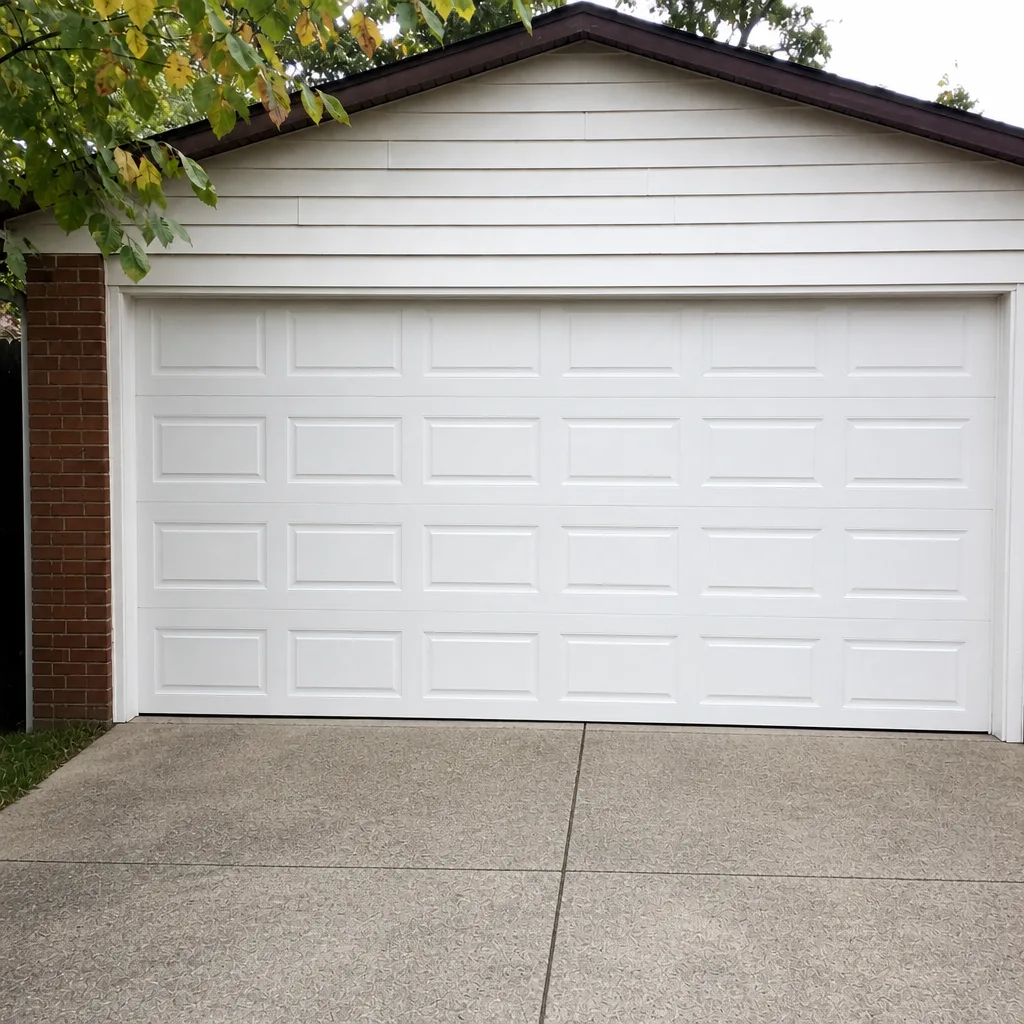 After
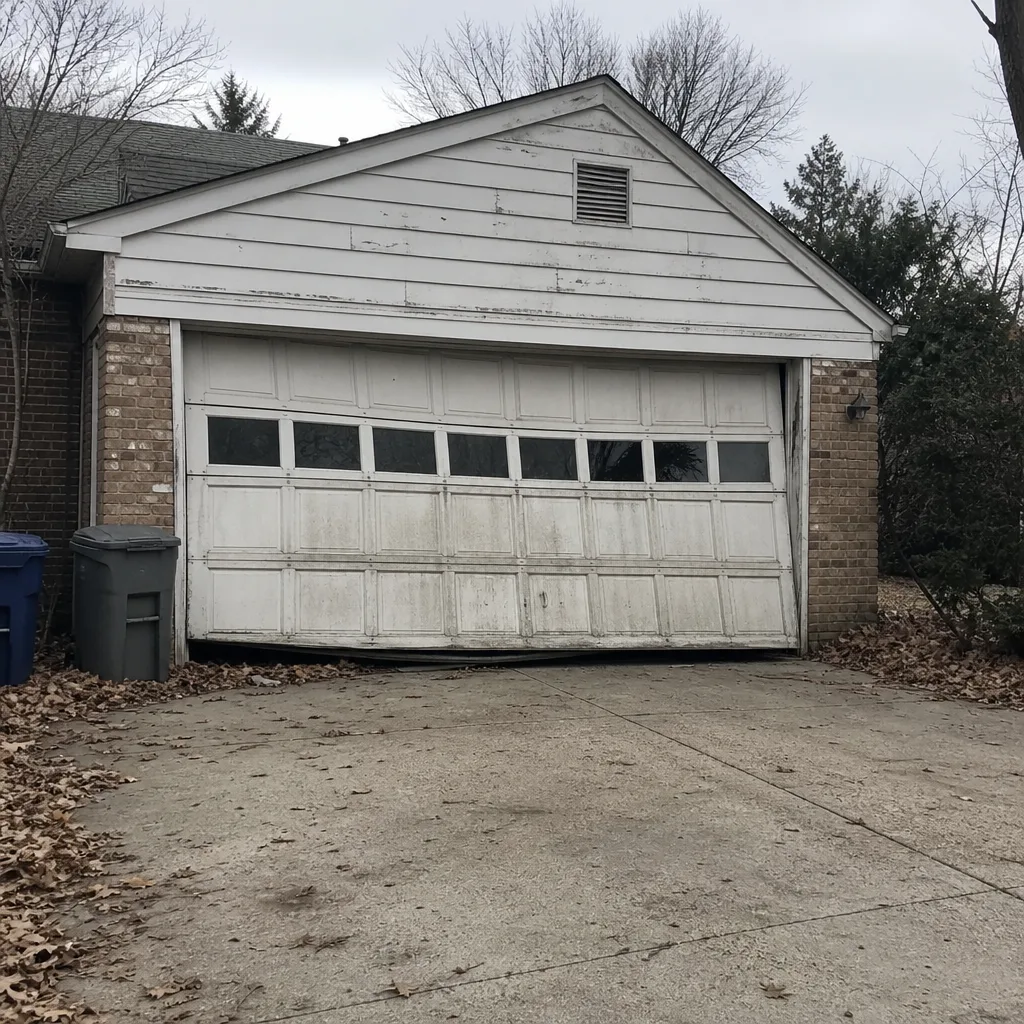 Before
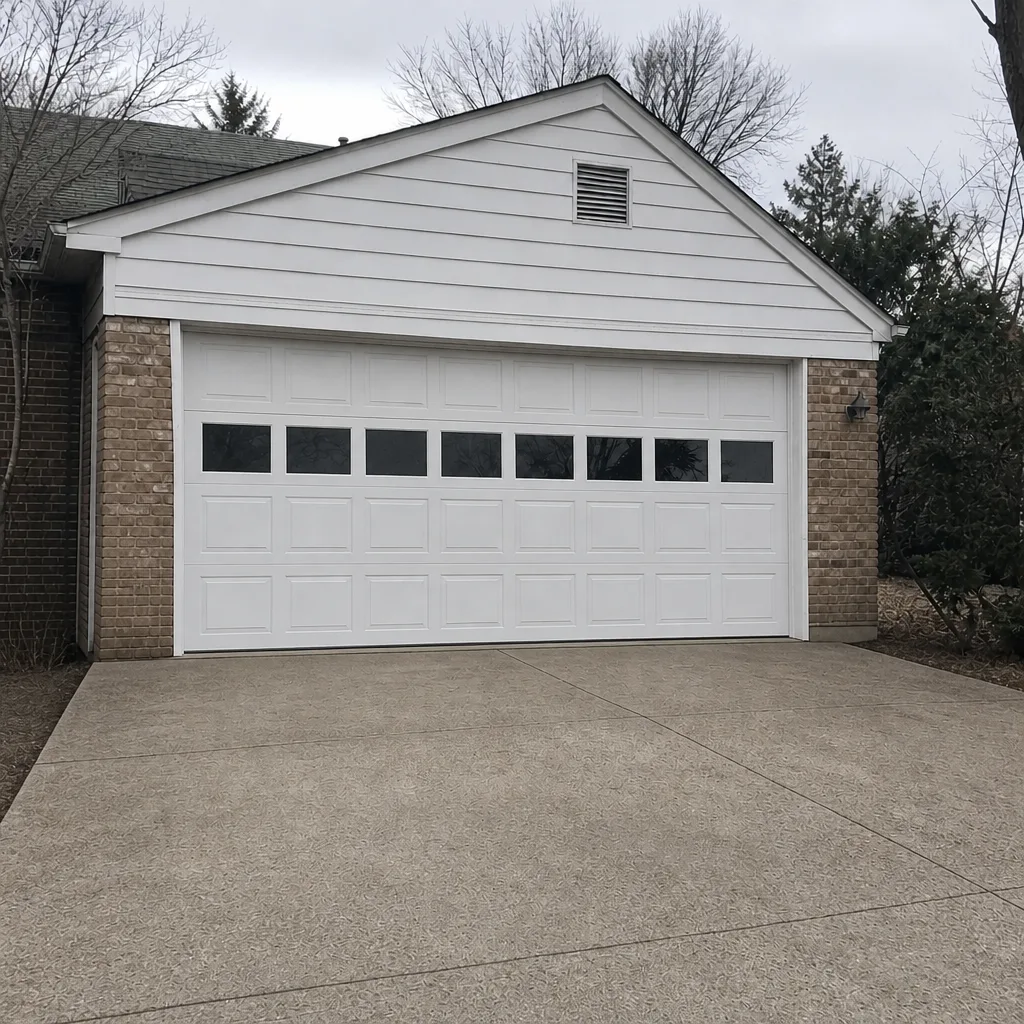 After
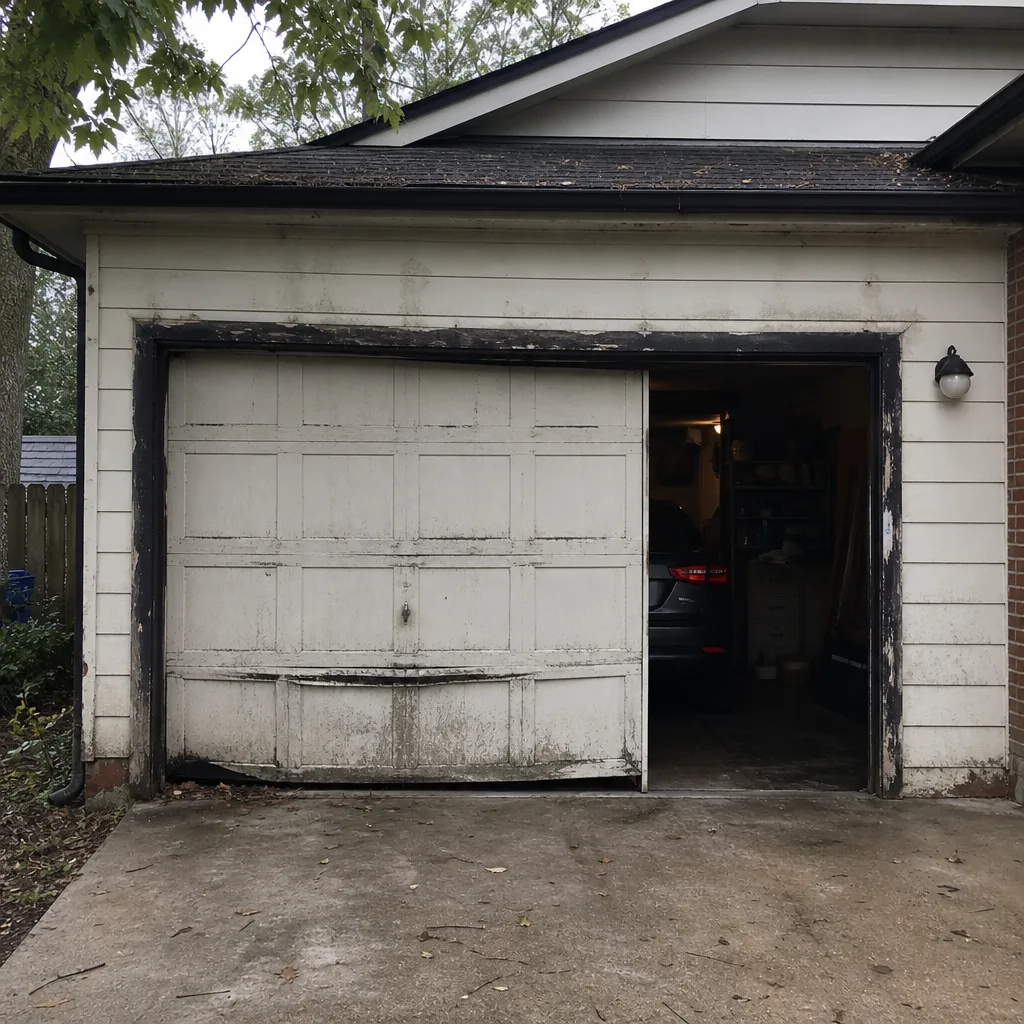 Before
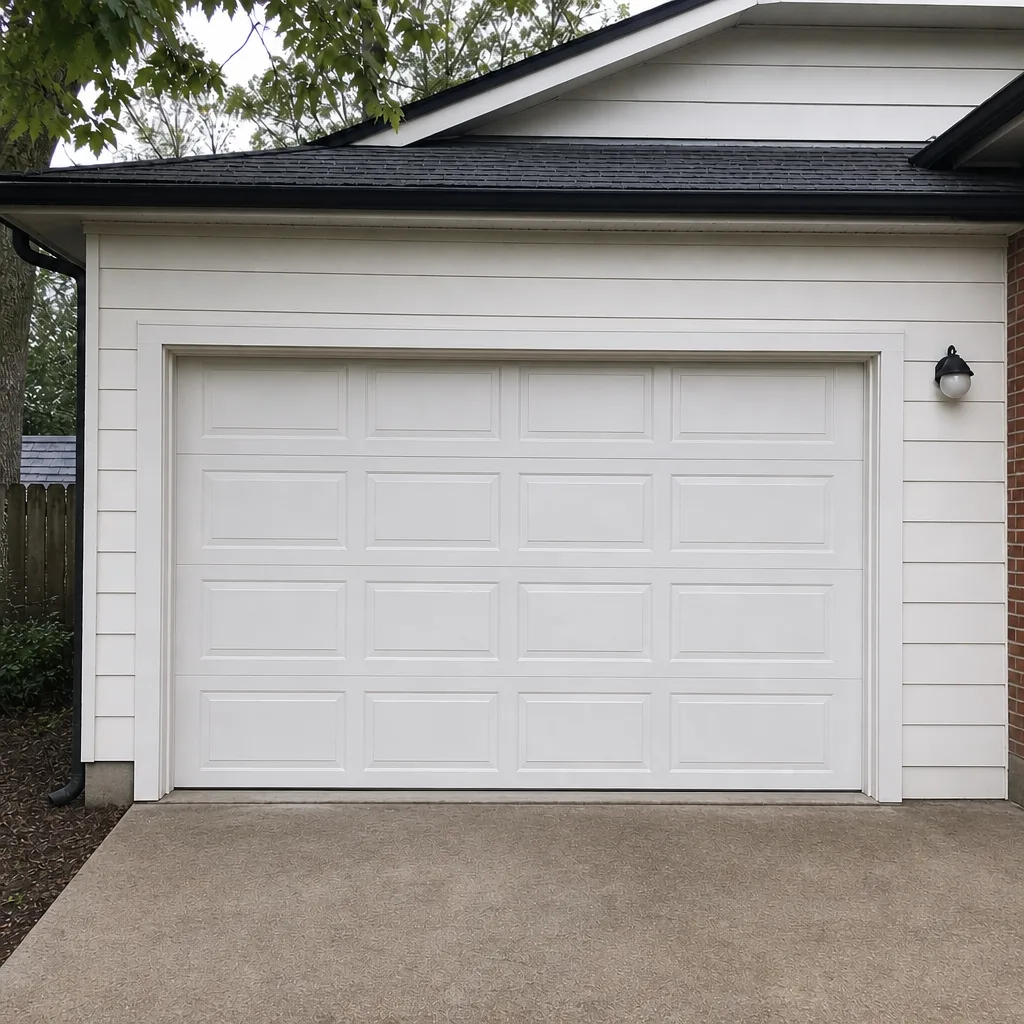 After
When to Call a Professional
Call a professional when the sign is tied to a part under extreme tension (springs and cables), when the door can’t complete its travel, or when it leaves your home open to the street. Those are the cases where a trained technician with the right tools is the safe choice. A grinding noise that comes and goes with the season is usually a scheduled visit. A visible gap in a spring, a frayed cable, a door off its tracks, or a door that won’t close is a same-day call. Springs are under extreme tension and are not a DIY repair. One call covers the whole system, from opener electronics to springs, panels, tracks, and full installations.
Silver Spring Garage Door Repair Pros offers free estimates in Silver Spring. Call (833) 482-6713. We answer 24/7. Fast dispatch from 7am to 7pm, Sunday through Friday. Our technicians have up to 8 years of experience, and we work on the brand you already have.
Frequently Asked Questions
The first signs are usually a door that pauses or reverses before fully opening, uneven travel on one side, grinding or squealing that changes with the season, and visible gaps or sagging on springs and cables. A door that sudden feels heavy when lifted by hand is also a clear warning that the springs are losing tension. If any of these appear, describe them when you call, and a free estimate will confirm what’s happening.
Use the manual release test. Pull the release cord, lift the door by hand, and notice the effort. If the door is easy to lift and stays where you put it, the door is balanced and the opener is likely at fault. If it feels heavy, binds, or drops back down, the springs or hardware are the problem. Call (833) 482-6713 and we’ll help you sort it out.
Usually not. Grinding points to tracks, rollers, or hinges, and the door can usually still complete its travel, so it’s a scheduled visit. It becomes urgent if the door stops mid-travel, comes off its tracks, or won’t close. When in doubt, a free estimate is the fastest way to know. Call (833) 482-6713.
Often, yes. Cold lubricant stiffens in January and metal expands in August, so a door that hesitates only in extreme temperatures and runs normally in between is usually a seasonal false positive. It becomes a real problem if the hesitation gets worse over time or shows up in every season. If it’s new to you, have it checked. Estimates are free.
Look for a gap in a torsion spring, stretched or uneven extension springs, and drooping, frayed, or uneven cables. These are signs a spring is near the end of its life or a cable is failing, and you can see them from a safe distance on the ground. Do not attempt to adjust or move them; springs are under extreme tension and require a trained technician. Call (833) 482-6713 for a free estimate.
We work on the brand you already have, including LiftMaster, Chamberlain, Genie, Clopay, Amarr, Wayne Dalton, Craftsman, and Raynor systems. Because we’re not tied to a single manufacturer, the recommendation is driven by your existing hardware and budget, not a product push. Call (833) 482-6713 to describe what you’ve got and we’ll take it from there.
The Bottom Line
The most useful diagnostic question is not “what’s broken?” but “what changed, and when?” A door that hesitates for a couple of seconds, grinds only in one season, or sits a touch lower on one side is telling you which component is wearing out, and recognizing that component is what makes the call accurate. Springs and cables are the parts that demand caution; the opener and hardware failures are the ones you can diagnose with the manual release test. A grinding that comes and goes with a Silver Spring January or August is often a false positive, while a sagging door and a visible spring gap are not. Write down what you see and hear, and call us. That description is the shortcut from “something’s wrong” to “back to working order.”
Silver Spring Garage Door Repair Pros handles the complete door system, from spring repair and opener repair to panels, tracks, and full installations, so one call covers everything and nothing gets handed off to a second contractor. Call (833) 482-6713 for a free estimate. We answer 24/7. Fast dispatch from 7am to 7pm, Sunday through Friday.
Written by the team at Silver Spring Garage Door Repair Pros.