
Last updated November 23, 2026
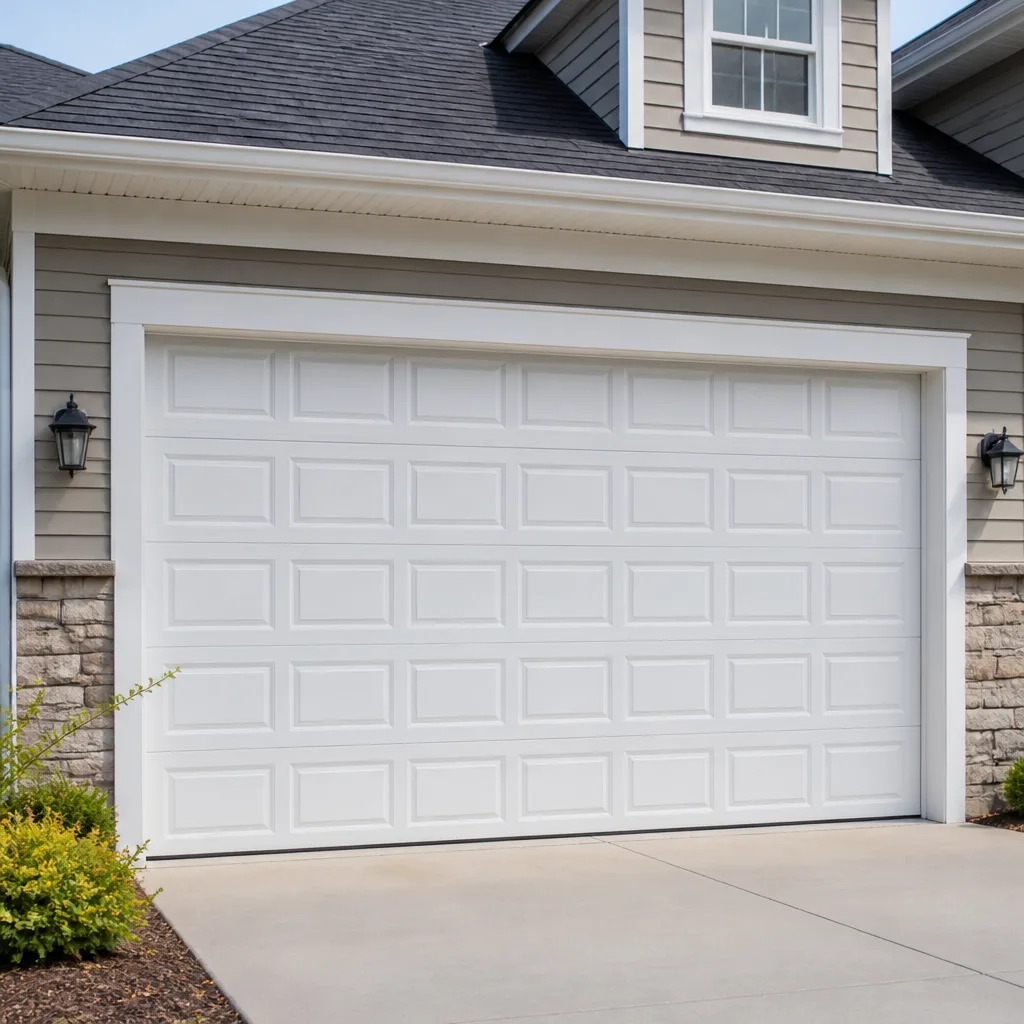 Raised-panel steel
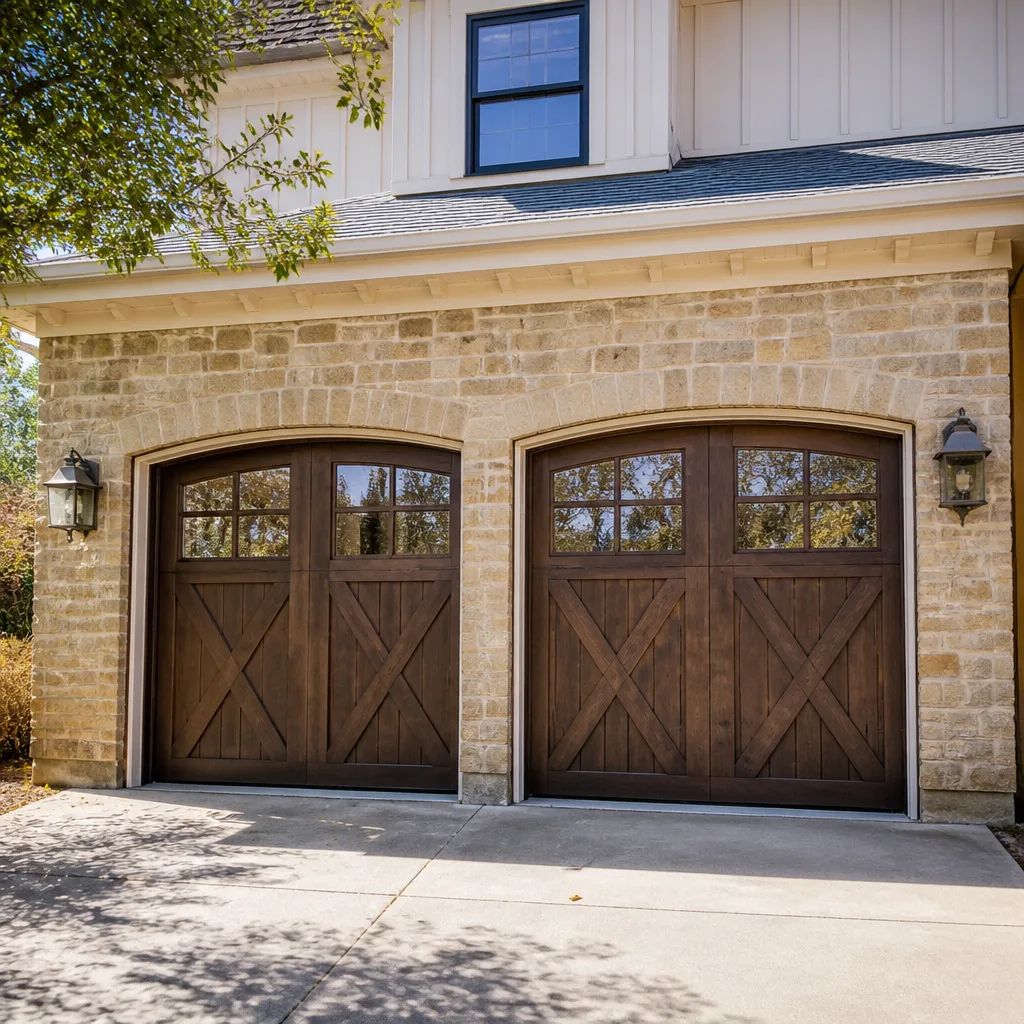 Carriage house
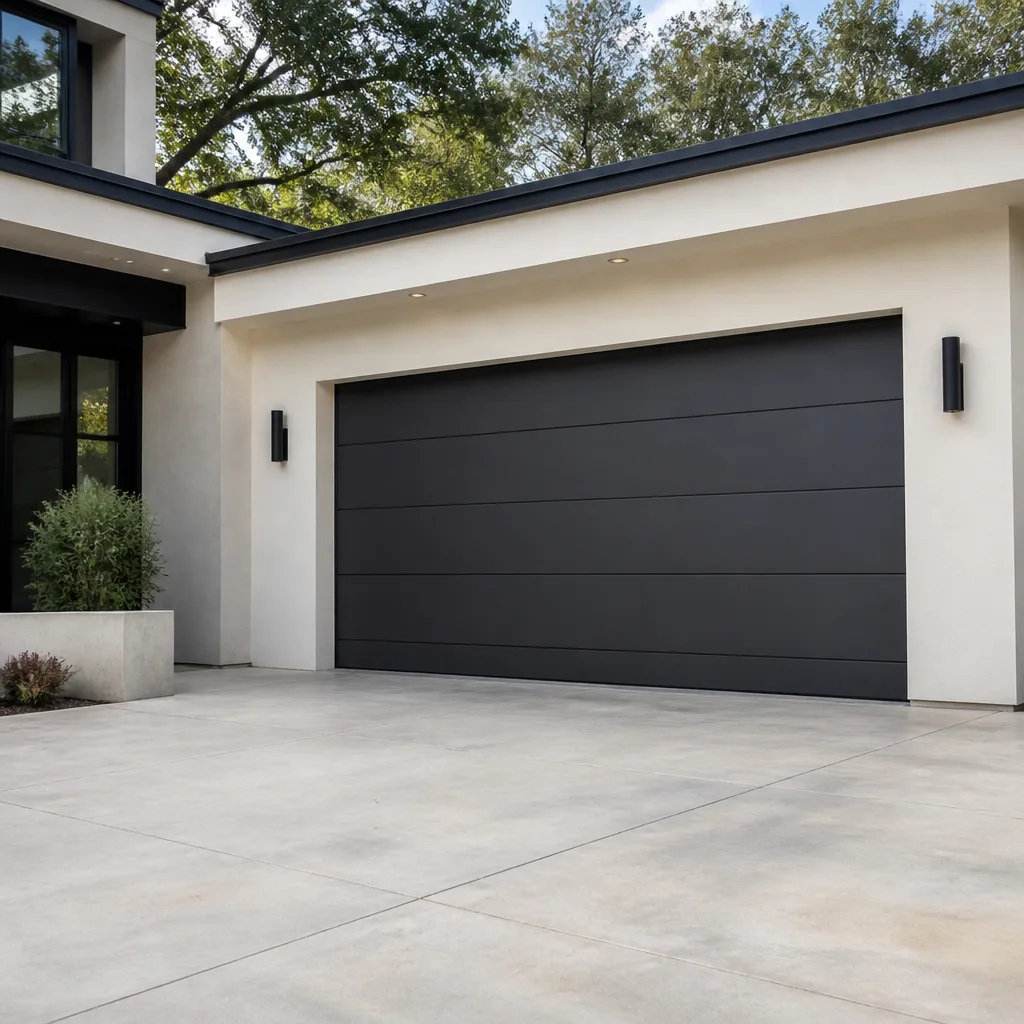 Modern flush
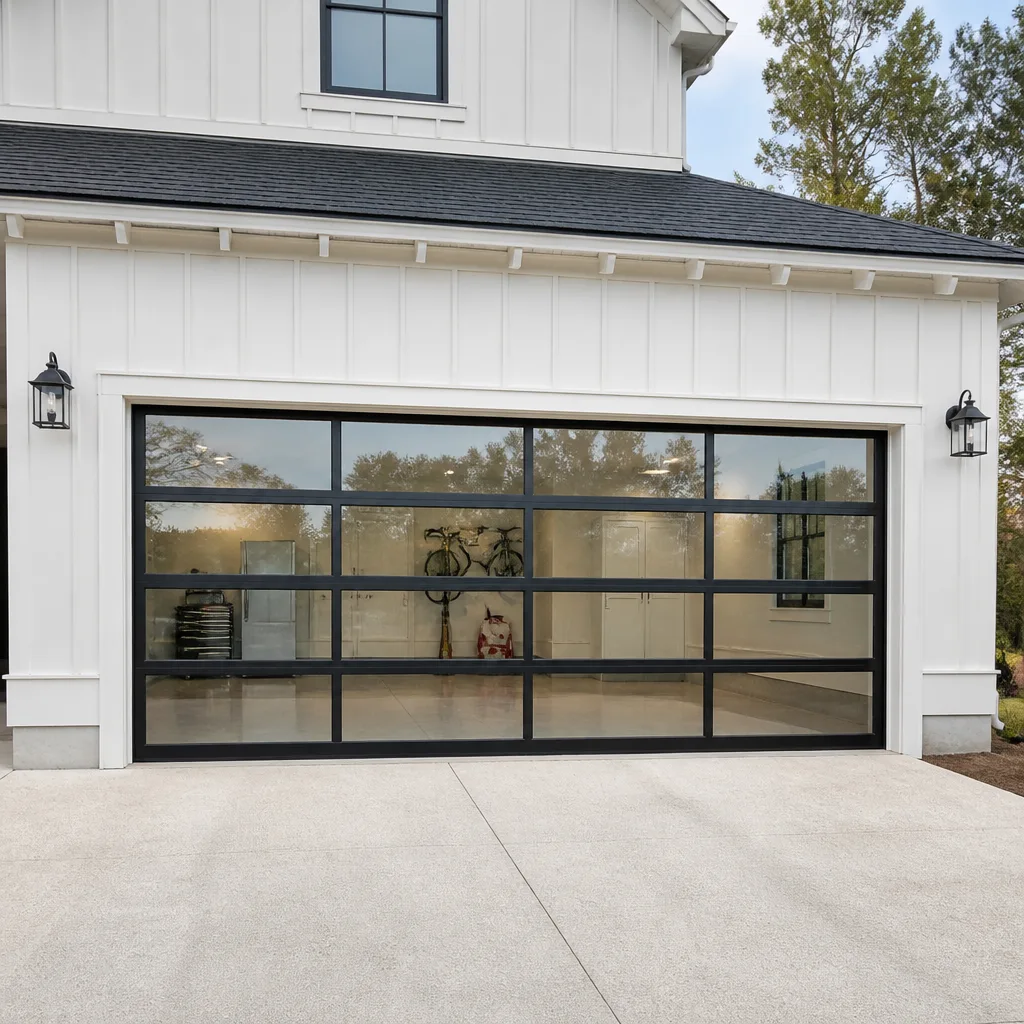 Full-view glass
 LiftMaster openers
 Chamberlain openers
Full 25-point door and opener safety check with every visit - springs, cables, rollers, tracks, and your LiftMaster or Chamberlain opener included
You get a price before we start. It does not change when the pro arrives.
Get your free estimateDIY vs Professional Garage Door: The Silver Spring Homeowner’s Decision Guide
Replacing a bottom weatherseal is a genuinely reasonable DIY job. It takes about twenty minutes, a few tools, and a little patience. Adjusting the tension on a torsion spring is a very different animal, and the consequences of getting it wrong show up in emergency rooms every year. The problem is that most homeowners can’t tell those two jobs apart until they’re already halfway into one of them and realize they’re holding a winder in a spot where they shouldn’t be. This guide gives you a clear framework for sorting safe work from risky work, how Maryland’s contractor rules affect unpermitted work you do yourself, and the specific situations in Silver Spring where a failed DIY attempt costs more to fix than the original professional call would have.
Quick Answer
For most homeowners in Silver Spring, DIY is fine for adjustments, lubrication, weatherseal replacement, and remote programming. Anything involving the springs, cables, or the door’s structural balance is professional work because those parts store enough energy to cause serious injury. A working door isn’t the same as a safe door, and a trained technician can tell you which one you have.
Styles & brands we work with
- Raised-panel steel
- Carriage house
- Modern flush
- Full-view glass
- LiftMaster openers
- Chamberlain openers
Table of Contents
- The Three-Tier Risk Framework
- Green Tier: Safe DIY Tasks
- Yellow Tier: DIY With the Right Tools and Knowledge
- Red Tier: Professional-Only Work and Why
- Maryland MHIC Rules and What They Mean for You
- The Real Cost Comparison
- Silver Spring’s Older Housing Stock and Failed DIY Repairs
- When to Call a Professional
The Three-Tier Risk Framework
Most DIY guidance treats garage door work as one block: either “avoid it, call a pro” or “here’s how to fix it yourself, good luck.” Neither is honest. The better approach is to sort the work by what the specific part does and what happens if you get it wrong. Every garage door task falls into one of three tiers.
- Green tier: cosmetic or low-energy adjustments. The door stays put if you mess up. No stored tension involved.
- Yellow tier: real physical tasks that need the right tools and a working understanding of how the door balances. You can learn them, but the process matters. Do them wrong and the door misbehaves or the opener fails sooner than it should.
- Red tier: spring, cable, and structural work. These involve parts held under hundreds of pounds of stored energy. Do them wrong and someone gets hurt.
That framework maps onto real risk, not liability language. When a topic is red, we tell you it’s red because getting it wrong breaks bones. When a topic is green, we say so. Most homeowners in Silver Spring want to save money on the small stuff and know when to stop. Tiering is the honest way to help them do that.
Green Tier: Safe DIY Tasks
These are the tasks worth doing yourself. They keep the door quieter, extending the life of the panels, hinges, and opener, and none of them involve stored tension that can release suddenly.
- Lubricate the hinges and rollers. A silicone-based or white-lithium grease works best on the moving parts. Wipe off old grease first, apply thin, cycle the door once. Twice a year is enough.
- Replace the bottom weatherseal. The rubber strip that runs along the bottom of the door ages out in our summers and dries into a stiff crumbly ribbon. A replacement slides into the grooves on the bottom section. Cut to length with a utility knife, push it in, done.
- Program the remote or keypad. All the major opener brands – LiftMaster, Chamberlain, Genie, Craftsman – walk you through pairing a new remote in the manual or the printed instructions on the unit. Usually under five minutes.
- Tighten visible bolts on the hinges and brackets. A door that rattles on the way down often has a few loose fasteners. A socket set gets them snug, not overtightened.
- Clear the photo-eye safety sensors. If the door reverses on the way down when nothing’s underneath, the sensors at the base of the tracks may be dusty or blocked. Wipe the lenses, verify both lights are on, and check that nothing in the path is blocking them.
None of these require turning off the opener, winding anything, or working under the door while it’s up. That’s the dividing line for green tier. If you find yourself reaching for a tool that isn’t a wrench, screwdriver, or utility knife, you’ve moved out of this tier.
Yellow Tier: DIY With the Right Tools and Knowledge
Yellow-tier tasks are doable for a careful homeowner who understands how a garage door balances. They aren’t dangerous the way spring work is, but they can leave you with a door that closes unevenly, wears out the opener motor, or fails at the worst moment. If you’re honest with yourself about your comfort level, these are the tasks where a steady weekend and a good video will get you through.
For each of these, the actual prerequisites are specific:
- Track alignment. You need a level, a 1/2″ wrench or socket set, and enough upper body strength to flex a slightly bent vertical track back into place. You also need to understand that the tracks carry the door’s full weight at the top corners. Loosening the wrong bracket sends the whole door sideways.
- Roller replacement. You need a roller removal tool or a sturdy flathead, and you need to do the work with the door in the fully closed position so the panels aren’t loaded. Never reach into the track with the door open above you.
- Hinge replacement. Standard hinges come in gauge sizes matched to the door’s weight – #1 is a light panel, #3 a heavy one. Putting the wrong gauge on swaps the load to the wrong panel and shows up as a sag months later. Buy the right gauge or ask before you guess.
- Safety reverse force adjustment. Every opener has a force knob, and it is tempting to crank it because the door won’t close cleanly. That’s a symptom, not the fix. When the force setting is turned up to compensate for a heavier door, the door stops sensing obstructions properly.
If any of that sounds like more than you want to take on, that’s a fair read. Yellow-tier work is where a trained eye saves you more time than you save in cash. Our technicians have up to 8 years of experience with these systems, and they’ll tell you plainly whether the task was doable or not when they show up for a garage door repair.
Red Tier: Professional-Only Work and Why
This is the part where the framework stops being a suggestion. Red-tier tasks involve parts that hold enough stored energy to be fatal if released unpredictably. Torsion springs, extension springs, and the cables attached to them all sit in this tier. So does anything that requires disconnecting the door from the opener or the track to work on it.
Here’s why the risk is real. A torsion spring on a typical residential door is wound to somewhere between 100 and 300 pounds of working tension depending on the door’s weight. When it breaks, that energy releases all at once. When you try to unwind or adjust one without the right winding bars and the right technique, you’re working with that same energy from a bad angle. Every year, this is the task that sends homeowners to emergency rooms. Springs are under extreme tension – this is not a DIY repair.
The red-tier list, specifically:
- Torsion spring replacement or adjustment. Professional only. There’s a reason garage door spring repair is treated as its own specialty by the trade.
- Extension spring replacement. Similarly dangerous, with the added risk of a spring stretching toward the operator when it fails. The safety cable is not optional.
- Cable replacement. Cables run under the spring tension. Replacing one requires releasing and re-establishing that tension with the correct sequence. If a cable is loose enough to see, stop using the door.
- Panel replacement when the door is out of balance. Swapping a panel on a balanced door can go badly if the balance is off. On an older door with tired springs, the replacement work and the balance restore go together.
- Any work that requires the door to be held open overhead without proper bracing. Doors fall. If the bracing isn’t right, “held open overhead” is not safe.
If you’re in the middle of a red-tier task and something has already gone wrong, stop and call. Call (833) 482-6713. We answer 24/7. Fast dispatch from 7am to 7pm, Sunday through Friday.
Maryland MHIC Rules and What They Mean for You
Maryland’s home improvement contractor rules exist to protect homeowners from unpermitted and unlicensed work, and they affect two things on your end: how a claim on your homeowner’s insurance is handled, and what you have to disclose when you sell the house. Here’s how that plays out on garage door work.
Any contractor you hire for a paid home improvement job in Maryland should hold an MHIC license. That license is how you check whether the person doing the work is accountable to the state, whether their contract is enforceable against them, and whether the insurance backing them is real. Asking for the MHIC number is normal and expected. A contractor who hesitates is telling you something.
When you do the work yourself, you skip that layer of protection. That’s fine for green-tier tasks. It’s riskier for yellow-tier work where the outcome shows up later – a bad track alignment that shakes a panel loose, a hinge replacement that shifts the load to the wrong section. If a DIY repair later fails and causes damage to the door, the opener, or the frame around it, your homeowner’s policy may treat that as work you performed rather than damage from an insured event, and coverage questions get harder. We don’t sell insurance and we can’t guess how a specific policy will respond – read your own policy and ask your agent about self-performed work before you decide.
Resale is the other half. When you sell a home in Silver Spring, you fill out a disclosure statement about known defects and repairs. An unpermitted repair to the door isn’t automatically a problem, but an unrepaired defect you know about is. And a buyer’s inspector will look at a door with a hand-painted track bracket or a mismatched spring pair and flag it. Clean, documented professional work avoids that conversation. If you’re not sure where a repair sits, ask the county’s permitting office or your realtor before the inspection, not after.
The Real Cost Comparison
The honest cost comparison isn’t “DIY free” versus “pro charge.” It’s the actual money spent when you account for tools, time, the odds you’ll need a callback repair, and what that callback costs when the door’s already been run in a bad state. Here’s the framework, broken down for a typical Silver Spring homeowner.
- Tool purchase. A homeowner doing green-tier work needs maybe $40-70 in supplies. A homeowner doing yellow-tier work needs a proper socket set, a level, a roller removal tool, the correct hinges by gauge, and often a second set of hands. That’s $150-250 of tools, some of which you’ll use once.
- Time. Green-tier tasks are under an hour each. Yellow-tier work runs two to four hours for a first-time attempt, longer if something needs to be re-done.
- The failure rate. This is the number that gets left out of the DIY-versus-pro conversation. In our experience, a meaningful share of DIY attempts at yellow-tier work end in a callback. The homeowner gets the door moving but it doesn’t seal evenly, the roller’s in wrong, or the opener’s struggling against a door that no longer balances. That callback repair is the cost of the original job plus the cost to undo what was done.
- The red-tier math. Red-tier tasks have no realistic DIY route. A proper spring replacement requires the correct winding bars, the right spring size match, and the correct sequence. There’s no tool you can buy at a hardware store that makes it safe.
Here’s the comparison table as a set of typical ranges. Our own estimates for the Silver Spring market reflect these figures, and the final number is always set by the written estimate before any work starts.
| Task | Tier | Typical professional range |
|---|---|---|
| Weatherseal replacement | Green | $90-$180 |
| Lubrication, minor adjustment, sensor alignment | Green | $80-$150 |
| Roller replacement (all rollers) | Yellow | $150-$300 |
| Hinge replacement (set) | Yellow | $150-$280 |
| Track adjustment or minor repair | Yellow | $120-$260 |
| Single torsion spring replacement | Red | $180-$340 per spring |
| Matched spring pair (typically replaced together) | Red | About double the single-spring range |
| Cable replacement | Red | $180-$350 |
Those are estimates for the Silver Spring area and they’re not a quote. Spring work in particular needs to be quoted after the technician inspects the door – the right spring size depends on the door’s weight, and a quote without that inspection is a guess. That’s also why we say a spring price is per spring, never both. If two springs are showing their age, they’re usually replaced as a pair, and the cost is about twice the single-spring range.
If you want an exact number, call (833) 482-6713. Estimates are free, and the price you’re quoted is the price you pay before any work starts.
Silver Spring’s Older Housing Stock and Failed DIY Repairs
Silver Spring isn’t a cookie-cutter suburb. The housing stock is a patchwork of postwar colonials, mid-century split-levels, brick ramblers, and new builds, and many of the older doors in Woodside, Woodmoor, and the neighborhoods around Forest Glen predate the standard sizing that modern doors use. That matters for exactly one practical reason: when you buy a replacement part for a non-standard door, the part you buy off the shelf is a fit, not a match.
Here’s how that plays out after a failed DIY attempt:
- The part that came off doesn’t match the part you bought. A roller with the wrong stem length, a hinge with the wrong gauge, or a spring with the wrong wire diameter all “fit” in the sense that they go in. They don’t work. The door moves differently, the opener strains, and the wear accelerates.
- The opener compensates by overworking. A door that used to balance with the right parts and now doesn’t forces the motor to work harder on every cycle. That shortens the opener’s life, and if it’s an older Craftsman or Genie unit, it may not have much headroom left.
- The technician now has two jobs. Fix the actual problem and correct what the DIY attempt got wrong. That correction is real labor – sometimes more than the original repair would have been. In our experience, a callback on a part-mismatched door often lands 30 to 80 percent higher than the original estimate would have.
- Older doors have older fasteners. Rusted bolts at the tracks and hinges in houses with sixty-year-old doors snap when you put a wrench to them, which sends the panel dropping and now you’re into a structural repair as well.
Aging hardware is the other Silver Spring factor. Original doors from mid-century builds often have extension springs rather than torsion, and extension spring failures have a different failure mode than torsion – the spring can travel. Replacing those with a modern torsion system is a real upgrade, but it’s professional-only work. Our technicians have worked with Amarr, Wayne Dalton, Craftsman, and Raynor doors throughout the Silver Spring area, and they’ll tell you what your existing system actually is before recommending anything.
There’s also the climate. Our summers are humid enough to make a cheap weatherseal crumble faster than its rating suggests, and the annual freeze-thaw cycles mean the metal parts on your door expand and contract through the seasons. Spring fatigue is a normal consequence of that, not a sign the door was badly installed. Any door older than roughly a decade should have its spring tension checked, even if it’s not visibly broken.
See the difference
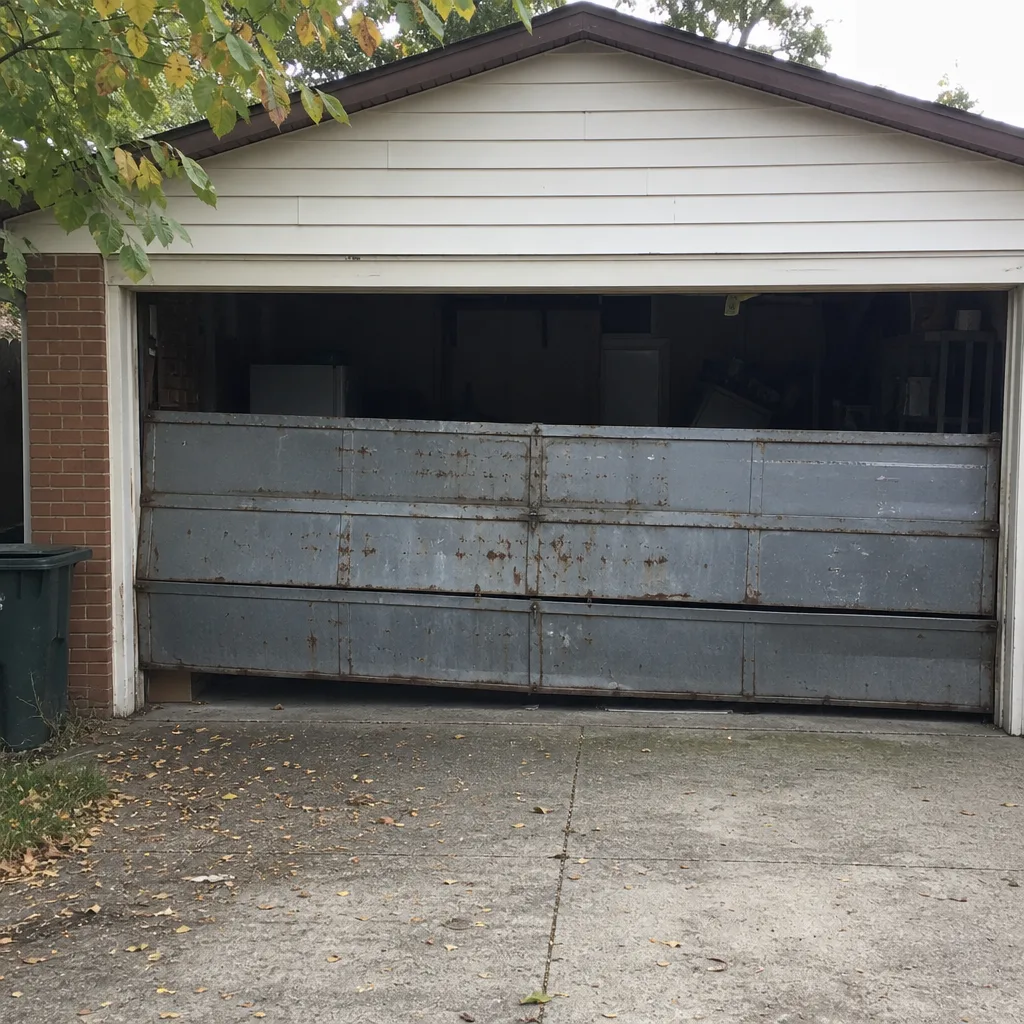 Before
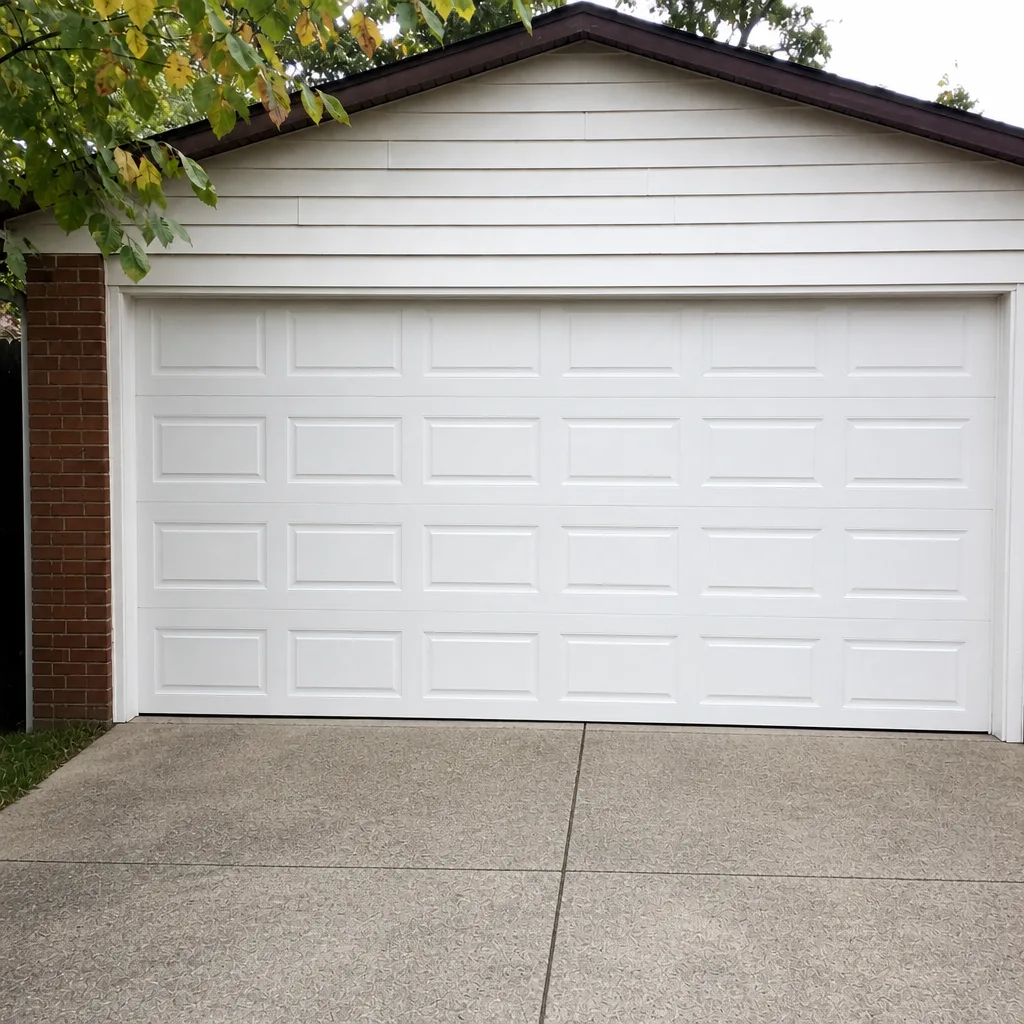 After
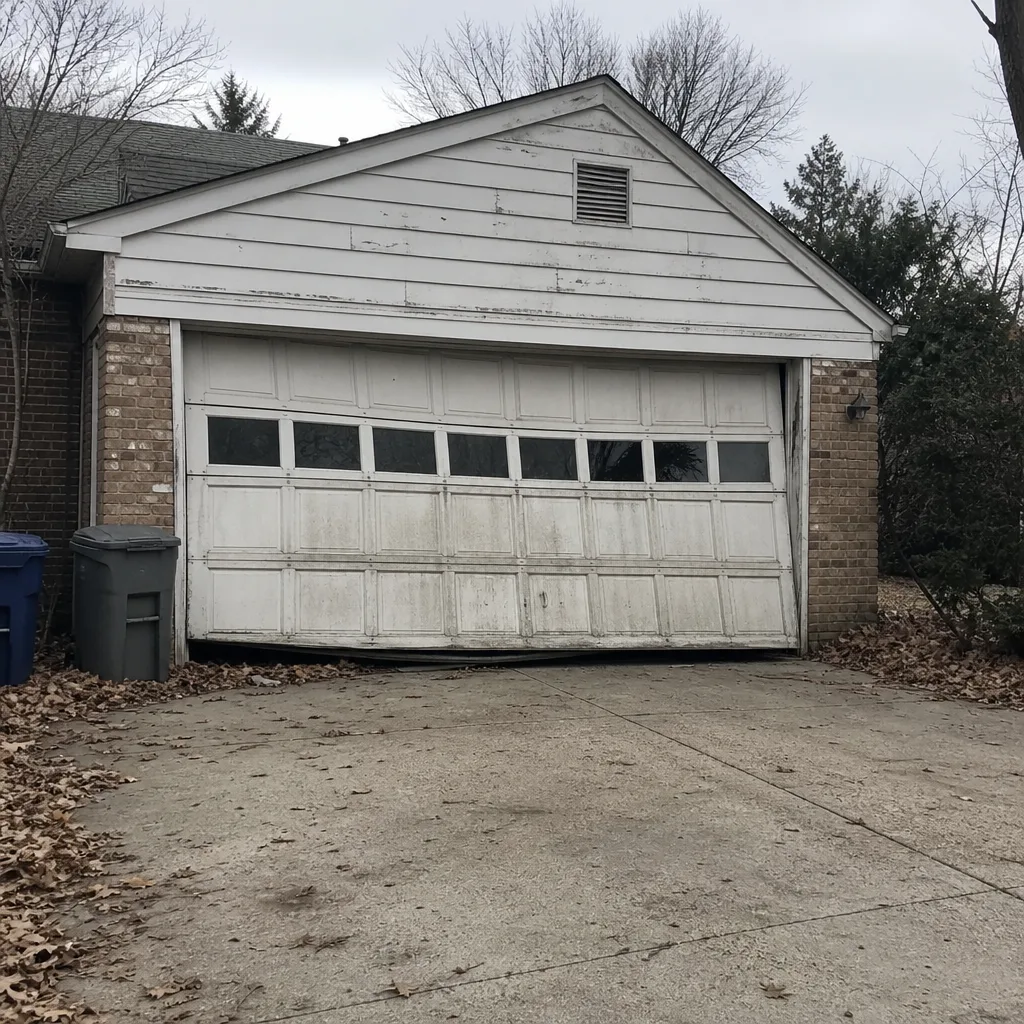 Before
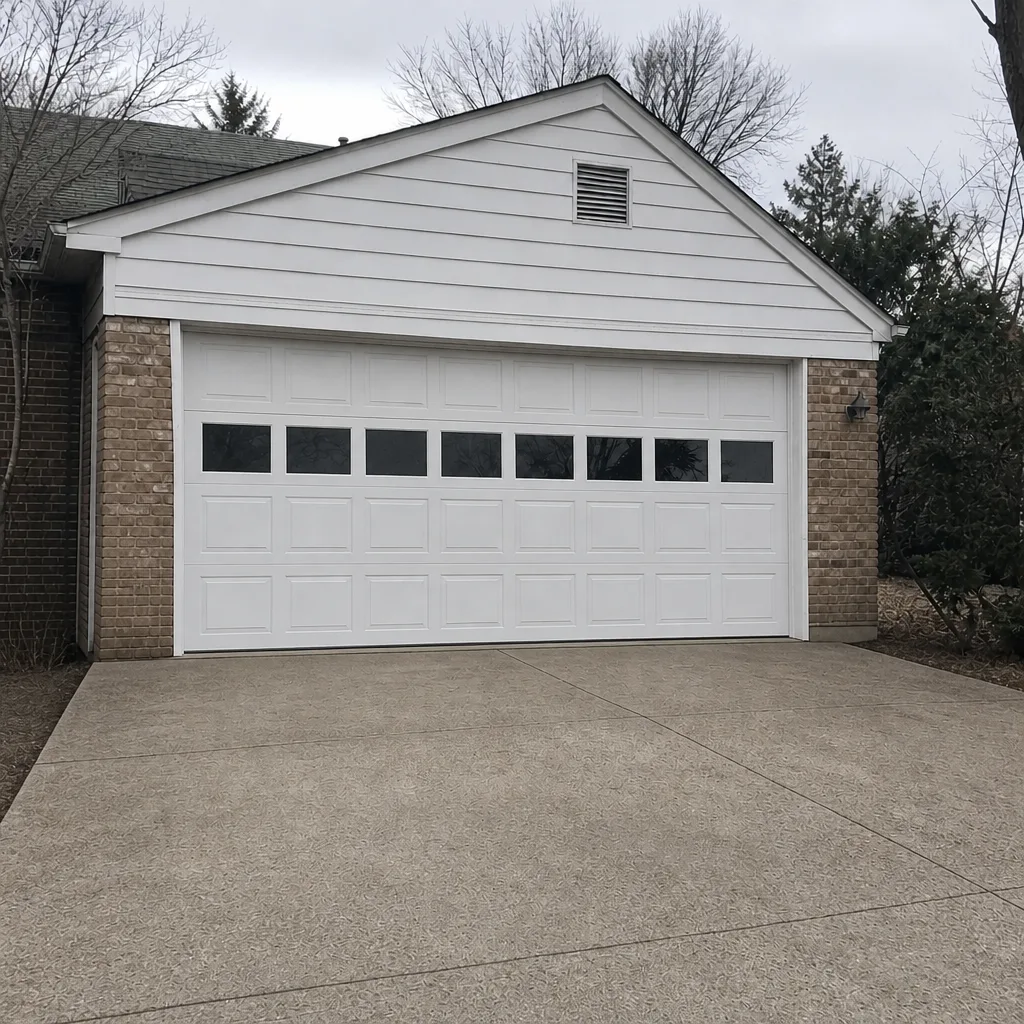 After
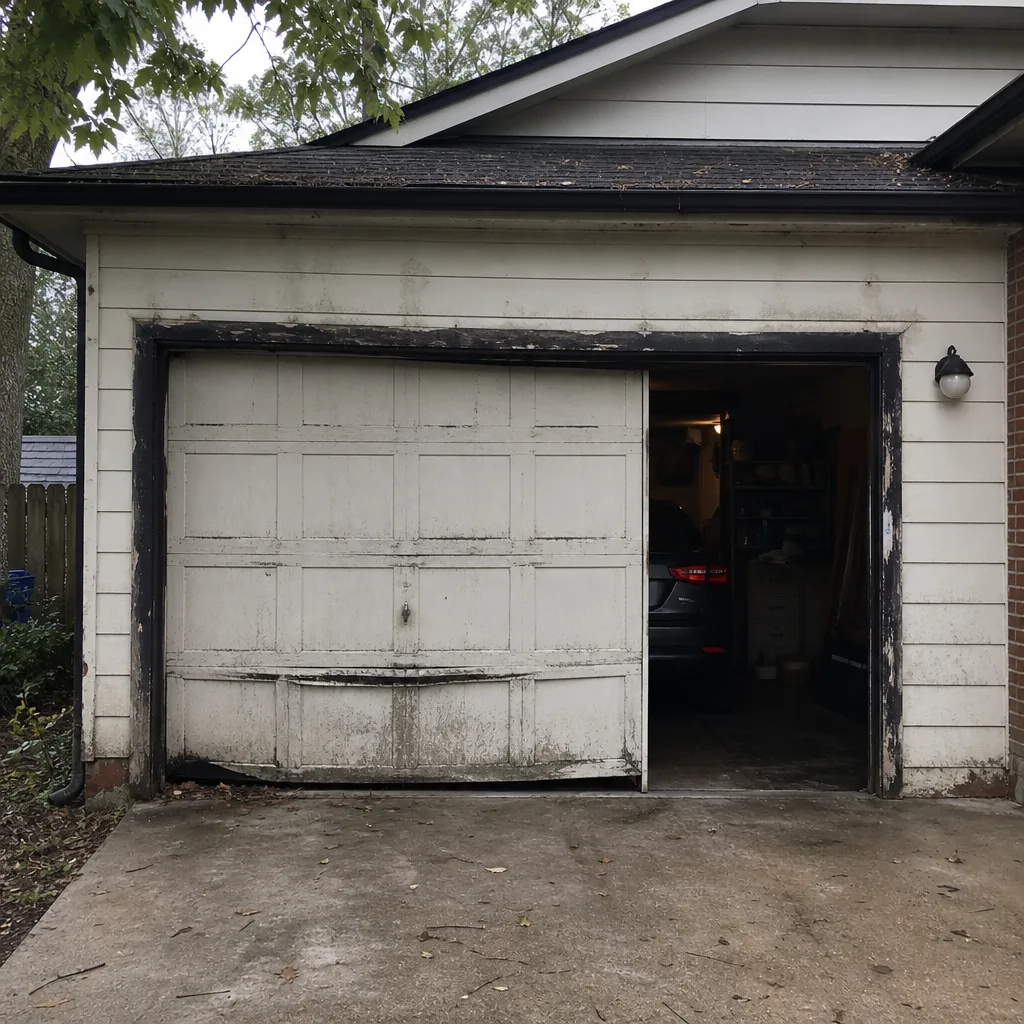 Before
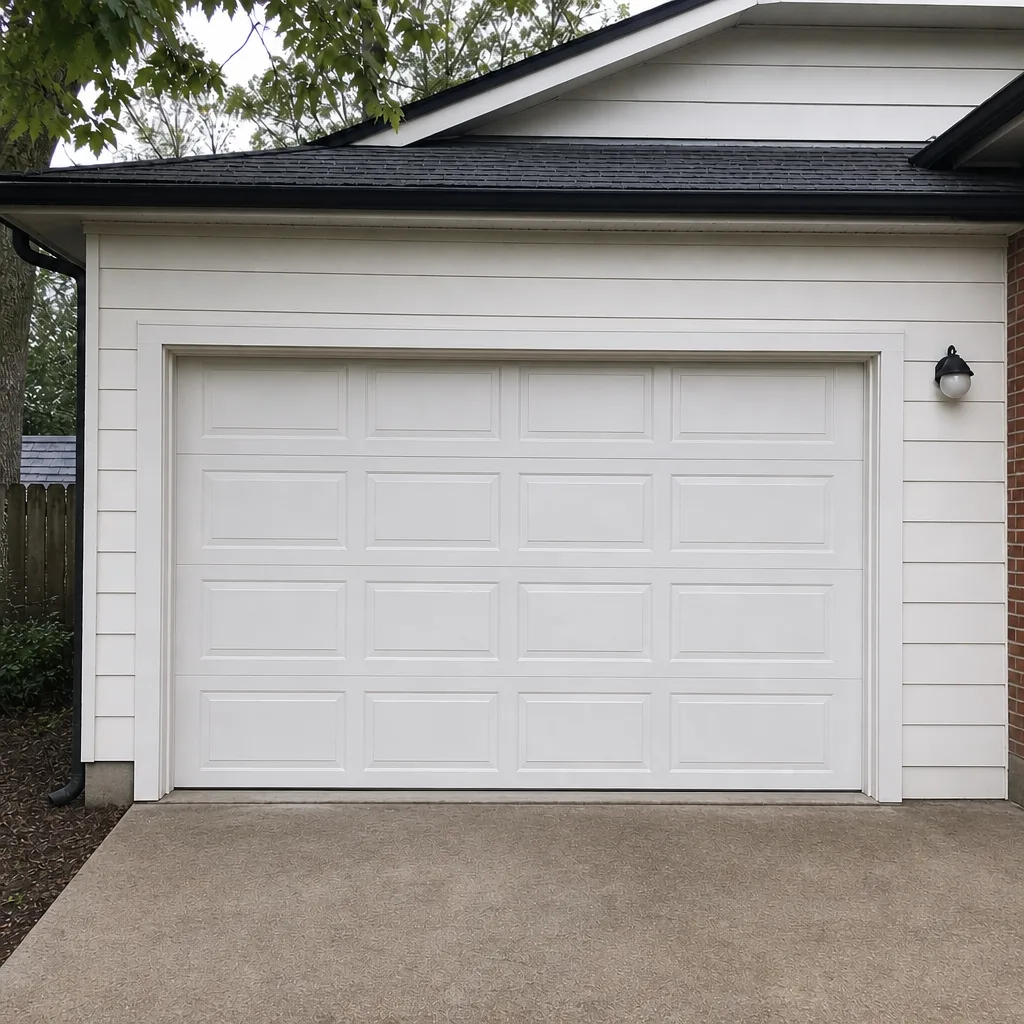 After
Common Mistakes to Avoid
- Buying a spring from a hardware store and installing it without knowing the door’s weight. The wire diameter and length have to match the door’s actual load. A mismatched spring either can’t lift the door or over-tensions it, and either way it fails sooner than the original. That’s the callback nobody wants.
- Turning up the force adjustment instead of fixing the underlying problem. When the door won’t close cleanly, the force knob feels like the obvious answer. It masks the real cause – usually a balance problem or a worn roller – and it disables the safety reverse that’s supposed to protect you from the door closing on something underneath.
- Ignoring a broken spring because the door “still opens.” A door with one broken spring on a two-spring setup often still opens on the remaining spring, but the door is under half the intended tension and the opener is doing the overload work. Left alone, that’s how you lose an opener on top of the spring.
- Working on the door while it’s open above you without proper bracing. Doors fall when they’re supposed to stay up. If the door is open and the door isn’t braced, you’re working under a suspended load. This is the mistake with the worst outcomes.
- Prying a track back into place with a hammer. Track adjustments are a small flex, not a whack. A bent section that gets hammered flattens and then the rollers bind. In Silver Spring’s older homes, the track is often original and not always replaceable at the local hardware store in the right length.
- Assuming a mismatched replacement part is fine because it “went in.” If the original part came off with a specific marking, write it down or photograph it before you go to the store. The tolerance difference between two visually similar parts is the whole difference between a quiet door and one that grinds.
- Skipping a professional diagnosis to save the free estimate. A free estimate is free. A failed DIY attempt is not. The math rarely works in favor of “I’ll just take a look at it first” on anything past the green tier – and if that look ends on a red-tier task, the risk isn’t money, it’s the emergency room.
When to Call a Professional
Call a professional when any of the following is true: the door has a broken spring or a visibly loose cable, the door comes down hard or reverses unpredictably, the opener runs but the door doesn’t move, a panel or the frame is damaged, the door is off its track, or you’re not sure what’s wrong and you’d rather find out cheaply than expensively. Those are all situations where a wrong move turns a repair into a safety problem.
Silver Spring Garage Door Repair Pros offers free estimates in Silver Spring – call (833) 482-6713. We handle garage door opener repair, spring and cable work, panel and track repair, and full door installation under one number, so you’re not juggling two contractors. We work on the brand you already own – LiftMaster, Chamberlain, Genie, Clopay, Amarr, Wayne Dalton, Craftsman, and Raynor all cross our bench. Emergency garage door service is part of what we do, not an add-on: when the door won’t close, that’s a security and safety problem, and we’ll get a technician scheduled. We answer 24/7. Fast dispatch from 7am to 7pm, Sunday through Friday. You’ll get a written price before any work starts.
Frequently Asked Questions
No. Garage door springs are under extreme tension and require specialized winding bars and training to replace safely. A mistake during the process can release the spring’s stored energy without warning, causing serious injury. If your spring is broken, the door should be left alone and a trained technician called. Silver Spring Garage Door Repair Pros handles spring work as a specialty – call (833) 482-6713 for a free estimate.
Single-spring replacement in Silver Spring typically runs $180 to $340, and a matched pair is about double that, since springs are almost always replaced in pairs. The exact number depends on the door’s weight and the correct spring size for your specific door, so we confirm the price with a written estimate before any work begins. Call (833) 482-6713 for an exact quote – estimates are free.
You can replace the bottom weatherseal yourself – it’s a genuinely reasonable DIY task that takes about twenty minutes with a utility knife and the right replacement strip. The strip slides into grooves on the bottom section, so measure the door’s width and match the groove profile before buying. If you’d rather have it done, the professional cost is typically in the $90-$180 range.
It can, particularly for yellow-tier repairs where a later failure causes damage. If your policy treats the damage as resulting from self-performed work rather than an insured event, coverage gets complicated. We don’t sell insurance and can’t guess for your specific policy – read your own policy and ask your agent before doing a repair you might later claim. For any paid contractor work in Maryland, check that the contractor holds a current MHIC license.
They’ll tell you what needs doing and why – that’s what the visit is for. In our experience, most callbacks on DIY attempts are honest mistakes rather than anything you should feel bad about: wrong gauge hinge, a roller in the wrong slot, a track that got flexed the wrong way. The fix is usually straightforward once it’s on the bench. Call (833) 482-6713 if you’d like a professional set of eyes on it.
All the major residential brands, including LiftMaster, Chamberlain, Genie, Clopay, Amarr, Wayne Dalton, Craftsman, and Raynor. We’re not a dealer for any single manufacturer, so recommendations are based on your existing hardware and budget, not what we’re trying to sell. One call covers the whole system from opener to panels.
The Bottom Line
Most garage door work isn’t one category – it’s three. Green-tier tasks are worth doing yourself, and they save real money over time. Yellow-tier tasks are doable with the right tools and honest self-assessment, but the failure rate is higher than the DIY conversation usually admits. Red-tier tasks are professional-only, and the reason isn’t liability language, it’s that springs and cables hold enough energy to cause serious injury. In Silver Spring’s older housing stock, the cost of a failed yellow-tier repair often lands higher than the original professional estimate would have been, and that’s the number to keep in mind when you’re deciding. When in doubt, the estimate is free, and the number is right there.
Written by the team at Silver Spring Garage Door Repair Pros.
Ready to get it settled? Call (833) 482-6713 for a free estimate. Silver Spring Garage Door Repair Pros works on the system you already have, from opener electronics to springs, cables, panels, and full new-door installations. We answer 24/7. Fast dispatch from 7am to 7pm, Sunday through Friday. The price is quoted and agreed before any work starts.